Hormone levels can shift across a person’s life, and these changes may influence mood, sleep, sexual function, bone health and overall energy.
Oestrogen and testosterone therapy involve restoring deficient sex hormones to physiological levels to support normal bodily function, symptom relief and long-term health.
Hormone levels can shift across a person’s life, and these changes may influence mood, sleep, sexual function, bone health and overall energy. When testosterone or oestrogen levels fall below what the body needs, symptoms such as fatigue, hot flushes, low libido, mood swings and reduced physical stamina may appear. Hormone replacement therapy is a medically supervised approach that aims to restore hormonal balance and provide relief from these symptoms in a safe manner.
The decision to start hormone therapy is based on a careful review of symptoms, medical history and blood test results. Treatment options vary from injections to gels or tablets, and each method is chosen according to what best suits an individual’s health profile. Regular monitoring helps ensure that hormone levels remain within a safe and therapeutic range.
What is testosterone/oestrogen therapy?
Hormone replacement therapy is important for people experiencing symptoms related to hormonal decline, such as low testosterone in men or oestrogen deficiency during perimenopause and menopause. They may also form part of gender-affirming care when clinically appropriate.
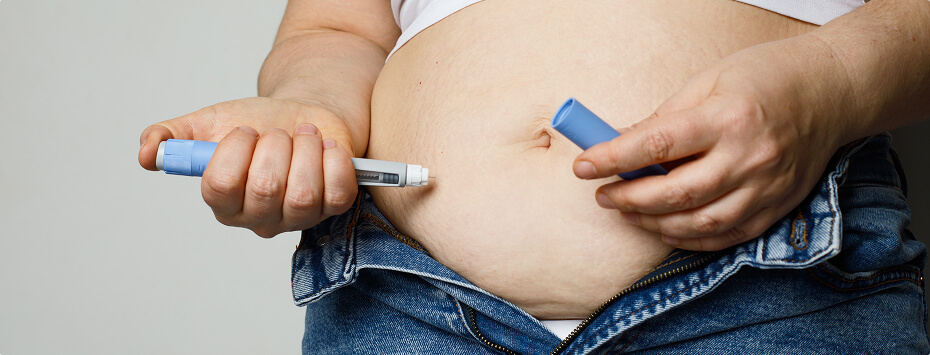
Testosterone therapy is designed to raise testosterone to a healthy physiological range. It may help address symptoms such as reduced libido, low energy, muscle loss, mood changes, low bone mineral density and difficulties with concentration. Treatment Is usually provided through long-acting testosterone injections that are either administered in clinic or self-administered.
Oestrogen therapy supports individuals whose oestrogen levels have dropped due to peri or post-menopause, surgical menopause or other medical reasons. For many women, declining oestrogen can lead to hot flushes, night sweats, vaginal dryness, sleep disturbances, brain fog, joint pains and changes in mood. Therapy may involve systemic oestrogen, combined oestrogen-progestogen treatment or localised oestrogen preparations when symptoms are mainly vaginal.
In all cases, therapy is prescribed only after a thorough assessment that includes a medical history review, symptom evaluation and blood tests. Dosing is individualised and regular monitoring ensures that hormone levels remain within safe limits while treatment benefits are tracked over time.
Testosterone levels in men naturally decline with age, and testosterone therapy can help ease symptoms linked to this drop in some men by restoring levels to the normal range if they are low.
When is testosterone/oestrogen therapy needed?
Hormone therapy is considered when symptoms suggest low testosterone or oestrogen levels and blood tests confirm a deficiency. Treatment is usually recommended only when these hormonal shifts begin to affect daily life, emotional well-being or long-term health.
Testosterone therapy may be needed when there are:
Consistently low testosterone levels on blood tests (the test should be performed twice)
Reduced libido or sexual function
Persistent tiredness or decreased physical performance
Vaginal dryness or discomfort affecting daily activities or intimacy
Sleep issues linked to hormonal changes
Low mood or emotional fluctuations, especially increased irritability
Low bone mineral density
Recurrent urinary tract infections after menopause
Decisions are made after reviewing symptoms, blood test findings and overall health to ensure therapy is safe and appropriate.
Oestrogen levels in women naturally fall with age, especially around menopause, and oestrogen therapy can help ease symptoms linked to this decline by restoring balance.
Types of therapy and administration methods — Approaches used for hormone replacement
Hormone therapy can be delivered in several forms depending on the type of hormone needed, the severity of symptoms and individual health considerations. Each method has its own advantages, and the choice is based on medical assessment, suitability and ongoing monitoring.
Testosterone therapy options include:
Injections that deliver controlled doses at regular intervals either short or long-acting (this is preferred in most cases)
Gels that are applied to the skin for steady absorption
Oestrogen or combined hormone therapy options include:
Oestrogen-only formulations for individuals who have had their uterus removed, usually a bioidentical gel
Combined oestrogen–progestogen therapy for those who still have a uterus
Oral tablets (micronised, bioidentical progesterone) and gels (bioidentical oestrogen)
Localised versus systemic oestrogen therapy:
Localised treatments (such as vaginal oestrogen) are used mainly for vaginal dryness, discomfort or urinary symptoms and are effective in reducing UTI rates.
Systemic therapy is used when symptoms such as hot flushes, night sweats or mood changes are prominent.
Key considerations for safe and effective therapy:
Personalised dosing tailored to symptom severity and blood test results
A thorough medical evaluation before starting treatment
Regular follow-up appointments to monitor hormone levels and adjust treatment when needed
What are the benefits of testosterone/oestrogen therapy?
Hormone therapy aims to restore levels of testosterone or oestrogen to a healthy range, which can help relieve symptoms caused by hormonal decline or imbalance. The specific benefits depend on the type of hormone used and the underlying condition being treated.
Possible benefits of testosterone therapy for men include:
Improved libido and sexual function
Better overall energy levels and reduced fatigue
Increased muscle mass and physical strength
Enhanced bone density
More stable mood and improved sense of well-being
Possible benefits of oestrogen or HRT for women include:
Bodily changes that align more closely with gender identity
Greater comfort and confidence in one’s physical appearance
Emotional and psychological improvements linked to gender affirmation
Outcomes vary from person to person and regular monitoring helps ensure that benefits are achieved safely over time.
Are there any risks or side effects of testosterone/oestrogen therapy?
Hormone therapy is generally safe when medically supervised, but like all treatments, it may carry risks or side effects. These vary depending on the type of hormone used, individual health factors and dosage. Ongoing monitoring helps ensure that any issues are identified and managed early.
Possible risks or side effects of testosterone therapy include:
Acne or oily skin
Fluid retention
Changes in mood or irritability
Increased red blood cell count
Sleep apnoea in individuals who are already at risk
Worsening of symptoms of benign prostate hypertrophy (Testosterone therapy does not increase prostate cancer risk)
Possible risks or side effects of oestrogen therapy include:
Breast tenderness or mild swelling
Headaches or nausea
Bloating or fluid retention
Increased risk of blood clots in some individuals with risk factors for deep vein thrombosis (Smokers or increased BMI)
General considerations for both therapies include:
Need for periodic blood tests to check hormone levels and side-effects
Adjustments to dosing if symptoms or side effects change
Suitability may vary for those with certain medical conditions, such as clotting disorders or hormone-sensitive cancers
A thorough medical assessment helps determine whether hormone therapy is appropriate, and regular follow-up ensures treatment remains safe over the long term.
How to prepare myself for testosterone/oestrogen therapy?
Preparing for hormone therapy involves understanding your health status, discussing your symptoms and ensuring that treatment is suitable. A few practical steps can help you get ready for a safe and effective start.
Helpful ways to prepare include:
Scheduling a consultation to discuss your symptoms, medical history and treatment goals
Completing blood tests to assess baseline hormone levels and overall health
Reviewing any long-term medications, as some may interact with hormone therapy
Noting any family history of hormone-sensitive conditions, clotting disorders or cardiovascular disease
Asking questions about treatment options, expected benefits and potential risks
Planning for regular follow-up appointments to monitor hormone levels and adjust treatment if needed
Being well prepared ensures that the therapy plan is tailored appropriately and that safety considerations are clearly addressed from the beginning.
What happens during testosterone/oestrogen therapy?
Once treatment is started, hormone therapy follows a structured clinical routine. Each visit has a specific purpose, and the process varies slightly depending on whether testosterone or oestrogen is being used.
During testosterone therapy, the procedure usually involves:
Receiving the prescribed formulation, such as an injection into the muscle (commonly the thigh or buttock) at timed intervals, or applying a measured dose of gel to clean, dry skin
Monitoring for early effects such as changes in energy, libido or mood during the first few weeks
Follow-up blood tests, typically 6–12 weeks after starting, to check testosterone levels, red blood cell count and general health markers
Adjustments to injection timing or gel dosage based on results and symptom changes
Periodic prostate and cardiovascular assessments if clinically indicated.
During oestrogen therapy, the procedure usually involves:
Taking the prescribed form, such as an oral tablet or gel applied to the arm or thigh
If the uterus is present, taking oestrogen together with a progestogen
Observing changes in menopausal symptoms such as hot flushes, sleep quality or vaginal discomfort
Follow-up blood tests (when needed) and clinical reviews to confirm that the dose is appropriate
Switching between topical, systemic or combined therapy if symptoms require a different approach
Throughout therapy, routine care includes:
Checking blood pressure, weight and treatment response at each follow-up
Reviewing any side effects promptly
Adjusting the dose to keep hormone levels within a safe therapeutic range
This structured process helps ensure that hormone therapy is delivered safely while symptoms and hormone levels are closely tracked over time.
What results can I expect from testosterone/oestrogen therapy?
Hormone therapy works gradually, and improvements appear at different stages depending on the type of hormone used and individual health factors. Some changes are noticeable within weeks, while others take several months to develop fully.
With testosterone therapy, expected results may include:
Improved libido and sexual function, often within the first few weeks
Better energy levels and reduced fatigue
Gradual increases in muscle mass and physical strength over several months
More stable mood, motivation and concentration
Support for bone density over the longer term
With oestrogen therapy, expected results may include:
Reduction in hot flushes and night sweats, often within a few weeks
Relief from vaginal dryness and improved comfort during daily activities or intimacy
Better sleep quality and improved mood stability
Greater day-to-day comfort as menopausal symptoms become more manageable
Long-term support for bone health after oestrogen decline
General expectations for both treatments include:
A gradual, steady response rather than an immediate change
Regular reviews to ensure hormone levels remain within the therapeutic range
Adjustments to treatment if results plateau or symptoms shift
Individual responses can vary, but most people notice meaningful improvements once hormone levels stabilise with consistent therapy.
Summary
Testosterone and oestrogen therapy can be helpful when hormonal changes begin to affect daily life, emotional well-being or long-term health. These treatments aim to restore hormone levels to a healthy range, providing relief from symptoms such as fatigue, low libido, hot flushes, night sweats, vaginal dryness, sleep disturbance, mood changes and reduced physical stamina. Therapy can be delivered in several forms, including injections, tablets, patches or gels, depending on individual needs and clinical suitability.
Before starting treatment, a thorough assessment is carried out to review symptoms, medical history and baseline blood tests. During therapy, hormone levels are monitored closely, and doses are adjusted as needed to ensure safety and effectiveness. While benefits often develop gradually, many people experience meaningful improvements in comfort, energy, quality of life and overall well-being as treatment continues.
If you are experiencing symptoms that may be related to low testosterone or oestrogen levels, schedule a consultation with The Metabolic Clinic for a personalised assessment and guidance on whether hormone therapy may be suitable for you.
Suitability depends on symptoms, medical history and blood test results. Individuals with confirmed low testosterone or perimenopausal symptoms may benefit after proper medical evaluation.
Some improvements, such as better energy or reduced hot flushes, may appear within weeks. Structural changes like bone support or muscle gains take longer to develop.
Side effects can occur when hormone levels rise too quickly or reach unsafe ranges. Monitoring helps detect issues early and allows dosing to be adjusted safely.
Therapy is generally safe when prescribed and monitored by a qualified clinician. Regular reviews help ensure hormones stay within a therapeutic range.
Yes, hormone correction often improves sexual desire and comfort when symptoms are due to hormonal decline. Results vary depending on individual health factors.
Testosterone therapy may reduce sperm production, while oestrogen therapy can influence ovulation. Fertility considerations are reviewed before treatment begins.
Most people require follow-up at 6–12 weeks after starting, then periodically throughout treatment. These visits help monitor hormone levels and adjust dosing.
Stopping therapy abruptly may cause symptoms to return or fluctuate. Any changes should be discussed with a clinician to avoid discomfort or instability.
Dr Dinesh graduated with honours from Monash University, Melbourne in 2009, receiving the Prince Henry's Prize in Surgery. During his endocrinology training in Melbourne, he won the top registrar award at the Endocrine Society of Australia Clinical Weekend in 2016, followed by securing Australia's only Andrology fellowship in 2017. Upon returning to Singapore, he was the sub-speciality lead for adrenal, pituitary, and bone services at Khoo Teck Puat Hospital and established The Metabolic Bone Clinic.
A passionate educator, he served as Associate Programme Director for Endocrinology at NHG, training the next generation of endocrinologists, and received the NHG Teaching Award for Senior Doctors in 2023. An expert endocrinologist with proficiency in both general and sub-speciality endocrinology, he has an interest in longevity through improving cardiovascular risk, metabolism, bone health, and muscle loss prevention, with the ultimate aim of improving the number of healthy years in one's life.
10+ Years of Experience in Hormone & Metabolic Health
Founder of The Metabolic Bone Clinic in Khoo Teck Puat Hospital
Sub-specialist training with international experts in Melbourne, Australia
Clinical Interest in Longevity & Metabolic Health
START YOUR PERSONALISED HEALTH JOURNEY
If you’re not achieving your treatment targets, struggling with weight changes, fatigue, or unexplained symptoms—it’s time to take a deeper look.
Get clarity with a tailored plan built around you and improving your metabolic health.