Mitigating Androgen-Deprivation Therapy in Prostate Cancer
Androgen-deprivation therapy (ADT) is a treatment used in prostate cancer […]
Mitigating androgen deprivation in prostate cancer focuses on managing treatment-related effects through tailored medical strategies, lifestyle support and ongoing monitoring to preserve bone health, metabolic function and quality of life during therapy.
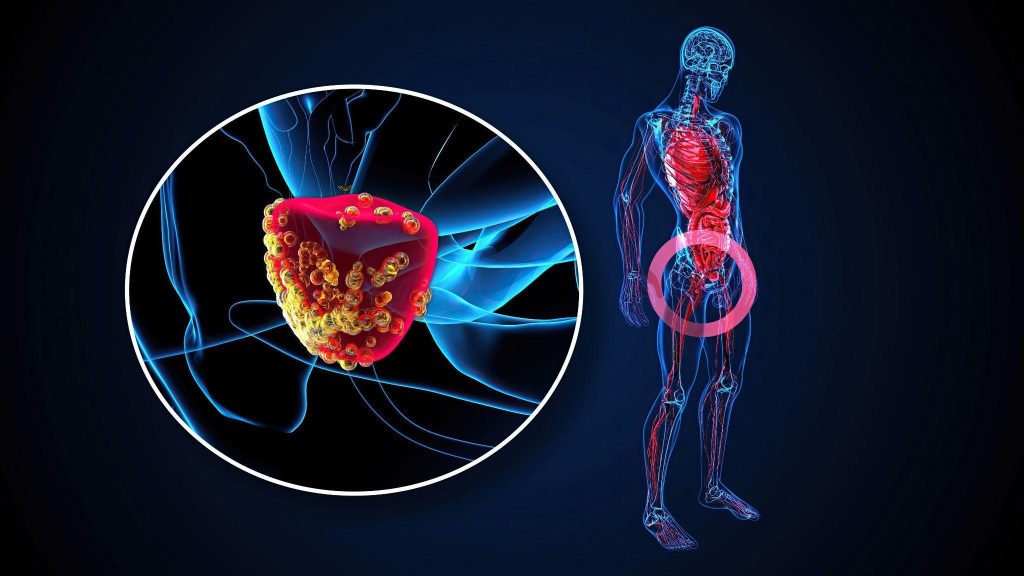
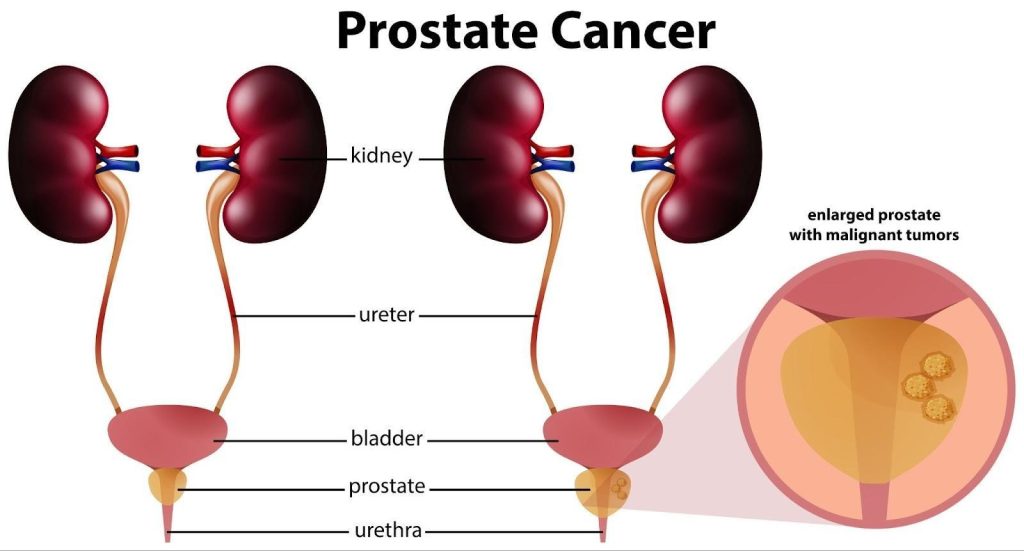
Androgen-deprivation therapy (ADT) is a treatment used in prostate cancer to reduce the effects of male hormones, particularly testosterone, which can stimulate cancer growth. It is commonly used in combination with radiotherapy, after surgery or in advanced and recurrent prostate cancer to help slow disease progression and improve treatment outcomes.
Although ADT is essential for controlling prostate cancer, its effects extend beyond the prostate. Testosterone influences bone health, muscle strength, metabolism, cardiovascular function, sexual health and energy levels. Suppressing this hormone can lead to changes across several body systems, particularly with long-term use. Careful monitoring and mitigation allow these effects to be identified early and managed in a structured way, supporting long-term health and quality of life while cancer treatment continues.
What is androgen-deprivation therapy (ADT)?
Androgen-deprivation therapy (ADT) is a hormone-based treatment used in prostate cancer to limit the effect of male hormones on cancer growth. It focuses on reducing testosterone levels or blocking how testosterone acts on prostate cancer cells.
Purpose of ADT in prostate cancer — ADT is used because many prostate cancers depend on androgens to grow. Lowering hormone stimulation helps slow tumour progression and supports other treatments such as radiotherapy or surgery.
How testosterone suppression works — ADT interferes with the body’s hormone signaling pathways that control testosterone production or blocks androgen activity at the cellular level. This reduces circulating testosterone to very low levels, limiting hormonal stimulation of cancer cells.
Common forms of ADT — Treatment is most often given as medical therapy using hormone injections administered at regular intervals. Oral agents that block androgen receptors may also be used in certain situations. Surgical orchiectomy, which permanently reduces testosterone production, is less commonly chosen but remains an option in selected cases.
Typical duration of ADT — ADT may be used short-term, usually for several months alongside radiotherapy, or long-term in advanced or recurrent prostate cancer. Longer treatment duration increases the importance of monitoring and managing hormone-related effects over time.
Androgen-deprivation therapy is used in prostate cancer to lower testosterone levels, helping slow the growth of hormone-sensitive cancer cells.
Why is mitigation important during ADT?
Androgen-deprivation therapy affects the entire body rather than a single organ system. While the treatment is directed at controlling prostate cancer, lowering testosterone influences bone turnover, muscle maintenance, metabolic regulation, cardiovascular health and energy balance. These changes do not usually appear all at once. Instead, they tend to develop gradually over months or years, particularly in men receiving long-term ADT.
Because many of these effects are well-recognised and follow predictable patterns, they can be monitored through regular clinical review and targeted investigations. Early identification allows timely adjustments in care, helping to reduce cumulative health risks and maintain physical function. A proactive approach to mitigation supports long-term well-being and preserves quality of life while cancer treatment continues.
What to expect for ADT mitigation and monitoring
Mitigation and monitoring during androgen-deprivation therapy are structured processes aimed at identifying gradual physiological changes and supporting long-term endocrine health. Care is typically tailored to individual risk factors, treatment duration and baseline health status, with regular reviews used to track trends over time.
Bone Health Assessment and Protection
Bone health monitoring focuses on evaluating bone mineral density and identifying individuals at higher risk of treatment-related bone loss. Baseline assessment helps establish fracture risk, while follow-up evaluations allow changes in bone density to be tracked during therapy. Ongoing monitoring supports timely intervention if bone health continues to decline over the course of ADT.
Metabolic Health Management
Metabolic assessment during ADT includes monitoring how the body regulates glucose and fats. Regular evaluation of blood glucose levels and lipid profiles helps detect changes associated with insulin resistance or altered cholesterol metabolism. Weight and body composition trends are also reviewed to identify increases in fat mass or shifts that may affect long-term metabolic health.
Cardiovascular Risk Monitoring
Cardiovascular monitoring involves regular assessment of blood pressure and key cardiometabolic markers that may change during hormone suppression. These measures help identify emerging cardiovascular risks over time. Where needed, care may be coordinated with cardiology or primary care to ensure comprehensive risk management during ongoing treatment.
Muscle Preservation and Physical Function
Monitoring muscle mass and physical function aims to identify early signs of muscle loss related to reduced androgen levels. Changes in strength, mobility or exercise tolerance are assessed to understand their impact on daily activities. Supporting physical resilience helps maintain independence and overall function during long-term therapy.
Fatigue and Energy Regulation
Fatigue management focuses on identifying potential endocrine contributors to persistent tiredness and reduced stamina during ADT. Regular review of energy levels and daily functioning helps determine how well individuals are tolerating treatment. Addressing these factors supports ongoing participation in daily activities and overall treatment tolerance.
How your Endocrinologist can help
An endocrinologist can provide focused hormonal and metabolic support when androgen-deprivation therapy begins to affect other systems in the body. Their involvement is particularly valuable in the following situations:
Managing bone health during long-term ADT — extended hormone suppression gradually increases the risk of bone loss, muscle decline and metabolic changes. Your endocrinologist can track these trends over time and help maintain long-term physiological stability.
Supporting pre-existing metabolic conditions — if you have diabetes, prediabetes, dyslipidaemia or weight-related concerns, ADT can further disrupt metabolic balance. Endocrine input helps keep glucose and lipid levels closely monitored throughout your treatment.
Addressing significant bone density loss — if bone mineral density is declining, your endocrinologist can guide structured monitoring and assess fracture risk before it becomes a concern.
Responding to changes in blood sugar or cholesterol — shifts in glucose or lipid control during ADT may signal rising cardiometabolic risk. Early endocrine review allows these changes to be identified and managed promptly.
Investigating fatigue and body composition changes — persistent tiredness, muscle loss or increased fat mass can affect daily life and how well you tolerate treatment. Your endocrinologist can assess the hormonal factors involved and support your energy and overall wellbeing.
Supporting long-term health during prostate cancer treatment
Supporting long-term health during prostate cancer treatment involves looking beyond short-term disease control and focusing on sustainability over time. Androgen-deprivation therapy is often used for months or years, making it important to consider how ongoing hormonal suppression may affect daily function, physical resilience and overall well-being.
Attention to quality of life remains central throughout treatment. Monitoring metabolic, skeletal, and physical changes helps preserve independence, energy levels and comfort as therapy continues. Maintaining bone strength and metabolic stability supports long-term health and reduces the risk of treatment-related complications.
ADT should be viewed as part of a broader cancer care journey rather than a standalone therapy. Coordinated monitoring and supportive care allow hormone treatment to sit within a balanced approach that addresses both cancer control and long-term physiological health.
Summary
Androgen-deprivation therapy is effective in managing prostate cancer but affects multiple body systems over time, including bone health, metabolism, muscle mass, cardiovascular risk and energy levels. Many of these changes develop gradually and can be monitored and managed with structured, long-term care. An endocrinologist plays a supporting role in this process, working alongside your treating team to track hormonal and metabolic changes and help maintain your overall health throughout treatment.
If you are preparing for or currently undergoing androgen-deprivation therapy, schedule a consultation with The Metabolic Clinic to discuss a personalised monitoring and care plan.
Androgen-deprivation therapy lowers testosterone to slow prostate cancer growth. This hormonal drop can affect bone strength, metabolism, energy levels, sexual function and mood.
Yes. A combination of medical treatments, exercise, nutrition and regular monitoring can significantly lessen many of the physical and emotional effects of reduced testosterone.
Side effects usually develop gradually and may continue while testosterone levels remain low. Mitigation strategies help control these changes throughout treatment.
Most men benefit from bone health monitoring because ADT increases fracture risk. Supplements, medication and weight-bearing exercise may be recommended depending on bone density results.
Some men recover sexual function when testosterone begins to rise after treatment pauses or ends. Medical treatments can also support erectile function during ADT.
Many men experience increased abdominal fat due to hormonal shifts. Targeted nutrition, physical activity and early monitoring help manage weight changes.
Regular reviews every few months are recommended to check testosterone levels, PSA, bone density and metabolic health, allowing early intervention when changes appear.
A balanced diet rich in calcium, vitamin D, protein and heart-healthy nutrients supports bone and metabolic health. Reducing alcohol and processed foods also helps.
Yes. Fatigue is one of the most common symptoms of low testosterone. Exercise, good sleep habits and metabolic monitoring can help improve energy levels.
Referral is recommended for anyone on ADT especially if there are severe symptoms, rapid bone loss, new cardiovascular risk factors or difficulty tolerating ADT. Joint care with oncologists, endocrinologists and cardiologists may be needed.
Yes. Effective mitigation helps preserve bone density, muscle mass, heart health and emotional well-being, improving overall tolerance of long-term prostate cancer therapy.
chat with us
Welcome to The Metabolic Clinic
Holistic Care for Hormones, Bones, and Metabolic Health
Dr Dinesh graduated with honours from Monash University, Melbourne in 2009, receiving the Prince Henry's Prize in Surgery. During his endocrinology training in Melbourne, he won the top registrar award at the Endocrine Society of Australia Clinical Weekend in 2016, followed by securing Australia's only Andrology fellowship in 2017. Upon returning to Singapore, he was the sub-speciality lead for adrenal, pituitary, and bone services at Khoo Teck Puat Hospital and established The Metabolic Bone Clinic.
A passionate educator, he served as Associate Programme Director for Endocrinology at NHG, training the next generation of endocrinologists, and received the NHG Teaching Award for Senior Doctors in 2023. An expert endocrinologist with proficiency in both general and sub-speciality endocrinology, he has an interest in longevity through improving cardiovascular risk, metabolism, bone health, and muscle loss prevention, with the ultimate aim of improving the number of healthy years in one's life.
10+ Years of Experience in Hormone & Metabolic Health
Founder of The Metabolic Bone Clinic in Khoo Teck Puat Hospital
Sub-specialist training with international experts in Melbourne, Australia
Clinical Interest in Longevity & Metabolic Health
START YOUR PERSONALISED HEALTH JOURNEY
If you’re not achieving your treatment targets, struggling with weight changes, fatigue, or unexplained symptoms—it’s time to take a deeper look.
Get clarity with a tailored plan built around you and improving your metabolic health.