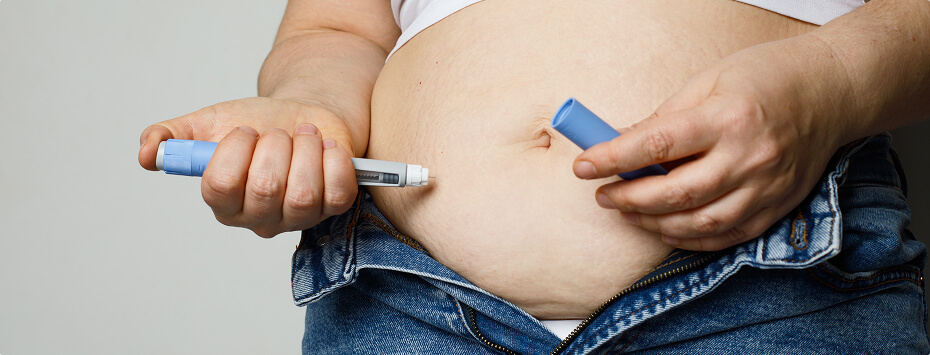
A condition characterised by low parathyroid hormone levels, leading to low blood calcium and muscle or nerve symptoms.
What is hypoparathyroidism?
Hypoparathyroidism, sometimes referred to as underactive parathyroid, is a rare endocrine disorder in which the parathyroid glands fail to produce enough parathyroid hormone (PTH). The parathyroid glands are four small glands located in the neck, adjacent to the thyroid, and they play a vital role in regulating calcium and phosphate balance in the body. PTH is essential for maintaining stable levels of calcium in the blood by controlling how calcium is absorbed from food in the gut, released from bones, and reabsorbed by the kidneys.
When the body does not produce sufficient PTH, calcium levels in the blood fall (hypocalcaemia), while phosphate levels often rise (hyperphosphataemia). This imbalance can disrupt the normal functioning of muscles, nerves, and many internal organs. Patients may experience tingling or numbness in the lips, hands, and feet, muscle cramps or spasms, fatigue, and in more severe cases, seizures or cardiac complications.
Hypoparathyroidism may develop for several reasons. The most common cause is accidental damage or removal of the parathyroid glands during surgery on the thyroid or neck. It can also result from autoimmune conditions, genetic mutations, or, in rare cases, magnesium imbalances. Unlike other endocrine conditions, hypoparathyroidism is distinctive because it is the only hormone deficiency disease that is not currently treated with the missing hormone in its standard form in Singapore, but instead managed with calcium and vitamin D supplementation.
Hypoparathyroidism is a rare condition where the parathyroid glands produce too little hormone, causing low calcium and high phosphate levels in the blood.
What causes hypoparathyroidism?
Several different factors can lead to hypoparathyroidism, though the majority of cases are linked to surgical procedures. Understanding the underlying cause is important for diagnosis and long-term management.
Surgical causes — the most common cause is unintentional damage to, or removal of, the parathyroid glands during surgery on the thyroid or neck. This can occur after thyroidectomy, parathyroidectomy, or extensive surgery for head and neck cancers. Even when surgeons take care to preserve the glands, disruption of their blood supply can impair their function and this is a recognised risk.
Autoimmune disease — in some patients, the immune system mistakenly attacks the parathyroid glands, leading to their gradual destruction. This form of hypoparathyroidism may occur alone or as part of autoimmune polyglandular syndromes, which involve multiple hormone-producing glands. This is rare.
Genetic conditions — rare inherited disorders can cause hypoparathyroidism. These include mutations affecting parathyroid gland development, isolated familial hypoparathyroidism, and conditions such as DiGeorge syndrome, where abnormal development of the thymus and parathyroids occurs.
Magnesium imbalance — both very low and very high levels of magnesium in the blood can interfere with parathyroid hormone secretion and action. Correcting the magnesium abnormality often restores normal parathyroid function. This can be caused by anti-acid medication causing low magnesium levels says Dr. Dinesh.
Hypoparathyroidism is caused when the parathyroid glands fail to produce enough parathyroid hormone (PTH), often due to surgery, autoimmune disease, or genetic factors.
What are the symptoms of hypoparathyroidism?
The symptoms of hypoparathyroidism largely arise from low levels of calcium in the blood (hypocalcaemia) and high levels of phosphate. These imbalances affect the proper functioning of nerves and muscles, and may vary from mild to severe depending on how much calcium is lacking.
Early symptoms — many patients notice tingling or numbness around the mouth, fingertips, or toes. Muscle cramps, twitching, and a sense of stiffness are also common early signs. Some people may experience fatigue, irritability, or anxiety.
Neuromuscular symptoms — low calcium can make nerves and muscles more excitable, leading to painful spasms in the hands and feet (tetany). In more severe cases, involuntary contractions of the larynx (laryngospasm) can cause difficulty breathing.
Neurological symptoms — if hypocalcaemia becomes more pronounced, seizures may occur. Some patients may also report headaches, memory problems, confusion, or difficulty concentrating.
Cardiac symptoms — low calcium levels can affect the heart, sometimes causing abnormal rhythms (arrhythmias), low blood pressure, or palpitations.
The range and severity of symptoms often depend on how suddenly calcium levels drop. Rapid declines may trigger acute symptoms, while slower or milder reductions may go unnoticed until complications arise.
Who is at risk of hypoparathyroidism in Singapore?
Anyone can develop hypoparathyroidism, but certain groups face a higher likelihood, particularly those undergoing thyroid or neck surgery. In Singapore, where thyroid surgery is commonly performed for both benign and malignant conditions, these risk factors are especially relevant.
Surgical causes — the greatest risk comes from thyroid or neck surgery, especially thyroidectomy. During these procedures, the parathyroid glands may be accidentally damaged, removed, or deprived of their blood supply, leading to hormone deficiency.
Extent and complexity of surgery — more extensive operations, such as total thyroidectomy or those involving lymph node dissections, carry a higher risk. Repeat operations or procedures for thyroid cancer increase the likelihood further.
Patient characteristics — studies show women are more likely to develop hypoparathyroidism than men, and younger patients, particularly under 40 years of age, are more prone to temporary forms of the condition. Lower calcium levels before surgery may also contribute to increased risk. This may be likely to ladies having higher rates of thyroid surgery.
Vitamin D deficiency — despite Singapore’s sunny climate, vitamin D deficiency is common due to indoor lifestyles and limited sun exposure. Low vitamin D reduces the reserve capacity of the body to raise calcium absorption, raising susceptibility to postsurgical hypoparathyroidism.
Autoimmune and genetic conditions — some people develop hypoparathyroidism due to autoimmune diseases that attack the parathyroid glands or genetic syndromes like DiGeorge syndrome, which affect their development and function.
Magnesium imbalance — low or high magnesium levels in the blood can disrupt parathyroid hormone secretion and action, triggering hypoparathyroidism. Correcting the imbalance usually restores normal function.
What are the complications of hypoparathyroidism?
If hypoparathyroidism is not well controlled, long-term calcium and phosphate imbalances can affect many parts of the body. The doctor will monitor these complications closely to prevent lasting damage.
Neurological complications — persistently low calcium may lead to seizures, cognitive difficulties, or movement problems caused by calcification in areas of the brain such as the basal ganglia.This is rare if appropriate treatment is started.
Kidney problems — high doses of calcium and vitamin D can raise the risk of kidney stones or kidney damage. The doctor may check urine calcium levels and kidney function regularly to reduce this risk.
Eye complications — patients can develop cataracts if calcium levels remain low over many years, leading to blurred vision or loss of clarity.
Dental issues — in children, hypoparathyroidism may cause delayed tooth eruption or enamel defects, which can affect dental development. Adults may also notice brittle teeth or other oral health problems.
Musculoskeletal changes — muscle cramps and spasms are common if calcium levels fluctuate. Over time, bones may become more fragile if calcium regulation remains unstable.
With careful treatment and routine follow-up, many of these complications can be prevented or managed effectively. The doctor will usually individualise monitoring and treatment to minimise long-term risks and protect overall health.
How is hypoparathyroidism diagnosed?
Doctors diagnose hypoparathyroidism by combining clinical history with blood and urine tests that reveal the typical changes in calcium, phosphate, and parathyroid hormone levels.
Blood calcium and phosphate levels — the doctor will usually start with a blood test. If calcium is low and phosphate is high, this strongly suggests the parathyroid glands are underactive.
Parathyroid hormone measurement — a parathyroid hormone (PTH) test is then performed. In hypoparathyroidism, PTH is either low or inappropriately normal despite low calcium, which helps distinguish it from other causes of hypocalcaemia.
Magnesium levels — the doctor may also check magnesium, since both low and high magnesium levels can interfere with parathyroid hormone function. Correcting these imbalances often improves calcium control.
Vitamin D status — a vitamin D test may be ordered to rule out deficiency, as this can complicate calcium regulation and make symptoms worse.
Urinary calcium excretion — in some cases, a 24-hour urine collection is recommended to measure calcium loss in the urine. This helps guide treatment and prevents kidney complications.
Clinical history and surgical background — the doctor will ask about recent thyroid or neck surgery, past autoimmune conditions, or any family history of endocrine disorders, as these details often explain why calcium and parathyroid hormone levels are abnormal.
What are the treatment options for hypoparathyroidism?
When treating hypoparathyroidism, the doctor focuses on restoring calcium and phosphate balance, easing symptoms, and preventing complications, usually through lifelong therapy tailored to each patient.
Calcium supplements — the doctor may recommend oral calcium tablets to bring blood calcium levels back into the normal range. The dose is adjusted according to blood test results and how well symptoms are controlled.
Active vitamin D analogues — the doctor may prescribe medications such as calcitriol to improve calcium absorption from the gut and help stabilise blood calcium levels.
Dietary adjustments — patients are often advised to eat a diet rich in calcium, including dairy products, leafy greens, and fortified foods. At the same time, limiting phosphate-rich items such as soft drinks and processed foods can help keep the balance steady.
Magnesium correction — if blood tests show low magnesium, supplementation is provided, as normal magnesium levels are vital for parathyroid hormone function.
Monitoring and follow-up — the doctor will arrange regular blood tests to check calcium, phosphate, magnesium, kidney function, and urinary calcium. This careful monitoring helps ensure treatment remains effective and reduces the risk of long-term complications such as kidney stones.
Parathyroid hormone replacement — in rare cases where standard treatment does not control symptoms or calcium balance well, the doctor may recommend recombinant human parathyroid hormone (rhPTH). This option is not yet widely available and is reserved for patients with more challenging disease.
With the right combination of medication, diet, and regular monitoring, most patients with hypoparathyroidism can achieve good control of their condition and maintain a stable quality of life.
Prognosis and living with hypoparathyroidism
With the right treatment and close monitoring, most patients with hypoparathyroidism can lead full and active lives. The outlook depends on how well calcium and phosphate levels are controlled and whether complications are detected early.
Long-term outlook — although the condition is usually lifelong, good management with calcium and vitamin D supplements allows many patients to remain symptom-free. Regular follow-up helps prevent long-term problems affecting the kidneys, brain, and eyes.
Quality of life — some patients may still notice fatigue, tingling, or cramps if calcium levels fluctuate, but these symptoms can often be managed with dose adjustments and medical supervision.
Daily living — doctors usually advise patients to stick to prescribed medications, eat a diet that supports calcium balance, and attend routine blood tests. Patients should also inform healthcare providers about their condition before surgery or when starting new medication, as this can affect calcium levels.
Prognosis with advanced therapies — in selected cases, where conventional treatment does not provide stable control, parathyroid hormone replacement can improve quality of life, although it is not yet widely available.
With consistent medical care, most people with hypoparathyroidism can expect to live normal lifespans and maintain a stable quality of life. The key is regular monitoring, early recognition of complications, and a treatment plan tailored to each patient’s needs.
Summary
Hypoparathyroidism, or underactive parathyroid, is a rare condition where the parathyroid glands do not produce enough parathyroid hormone, leading to low calcium and high phosphate levels in the blood. It most often occurs after thyroid or neck surgery, but can also result from autoimmune disease, genetic syndromes, or magnesium imbalances. With careful medical care, most patients can achieve good control and maintain a stable quality of life.
If you are experiencing symptoms of low calcium or were diagnosed with hypoparathyroidism after thyroid or neck surgery, schedule a consultation with The Metabolic Clinic for expert evaluation and tailored management.
Acute episodes, such as muscle spasms or tingling, are often triggered by sudden drops in calcium caused by illness, stress, medication changes, or poor absorption.
Children with hypoparathyroidism may experience delayed growth, enamel defects, or developmental problems, whereas adults often present with neurological or muscular symptoms.
Autoimmune hypoparathyroidism occurs when the immune system attacks the parathyroid glands. It may appear on its own or as part of autoimmune polyglandular syndrome type 1 (APS-1), a rare disorder that also affects other hormone-producing glands.
Yes, conditions such as low magnesium, iron or copper overload, radiation to the neck, and rare receptor abnormalities can also result in hypoparathyroidism.
Hypoparathyroidism itself does not directly cause weight gain, but low calcium, fatigue, and muscle cramps can reduce physical activity. In some patients, long-term medication and changes in metabolism may also contribute to gradual weight gain.
With proper treatment and regular monitoring, people with hypoparathyroidism can usually live a normal lifespan. Lifelong follow-up is important to keep calcium stable and prevent complications affecting the kidneys, heart, or brain.
Hypoparathyroidism can begin at any age. It often appears suddenly after thyroid or neck surgery in adults, but genetic or autoimmune forms may present in childhood or adolescence.
If hypoparathyroidism is left untreated, low calcium can cause persistent muscle cramps, tingling, and fatigue, and may progress to seizures, heart rhythm problems, cataracts, or kidney damage. Over time, it can seriously affect quality of life and overall health.
chat with us
Welcome to The Metabolic Clinic
Holistic Care for Hormones, Bones, and Metabolic Health
Dr Dinesh graduated with honours from Monash University, Melbourne in 2009, receiving the Prince Henry's Prize in Surgery. During his endocrinology training in Melbourne, he won the top registrar award at the Endocrine Society of Australia Clinical Weekend in 2016, followed by securing Australia's only Andrology fellowship in 2017. Upon returning to Singapore, he was the sub-speciality lead for adrenal, pituitary, and bone services at Khoo Teck Puat Hospital and established The Metabolic Bone Clinic.
A passionate educator, he served as Associate Programme Director for Endocrinology at NHG, training the next generation of endocrinologists, and received the NHG Teaching Award for Senior Doctors in 2023. An expert endocrinologist with proficiency in both general and sub-speciality endocrinology, he has an interest in longevity through improving cardiovascular risk, metabolism, bone health, and muscle loss prevention, with the ultimate aim of improving the number of healthy years in one's life.
10+ Years of Experience in Hormone & Metabolic Health
Founder of The Metabolic Bone Clinic in Khoo Teck Puat Hospital
Sub-specialist training with international experts in Melbourne, Australia
Clinical Interest in Longevity & Metabolic Health
START YOUR PERSONALISED HEALTH JOURNEY
If you’re not achieving your treatment targets, struggling with weight changes, fatigue, or unexplained symptoms—it’s time to take a deeper look.
Get clarity with a tailored plan built around you and improving your metabolic health.