Infertility is commonly defined as the inability to conceive after 12 months of regular, unprotected intercourse or for women aged 35 and above, after six months.
Infertility is commonly defined as the inability to conceive after 12 months of regular, unprotected intercourse or for women aged 35 and above, after six months. It can affect both women and men, and is often influenced by a combination of reproductive, hormonal, metabolic and lifestyle factors rather than a single cause. Age, ovulation issues, sperm quality, chronic health conditions, stress and weight-related concerns can all play a role in fertility challenges.
At The Metabolic Clinic, infertility is viewed through a medical and metabolic perspective that looks beyond reproductive organs alone. Hormonal balance, insulin resistance, thyroid health and overall metabolic well-being can significantly influence fertility outcomes. A doctor-led, individualised assessment helps identify underlying contributors and supports informed, appropriate treatment planning, whether on its own or alongside gynaecological or fertility-based care.
Infertility is a medical condition where pregnancy does not occur despite regular, unprotected intercourse, often influenced by reproductive, hormonal, metabolic and lifestyle factors.
What is infertility?
Infertility is a medical condition defined as the inability to achieve pregnancy after a period of regular, unprotected sexual intercourse. Clinically, infertility is diagnosed when conception has not occurred after 12 months of trying for women under the age of 35, or after six months for women aged 35 and above. The shorter timeframe for older women reflects the natural decline in fertility with age and the importance of earlier assessment and intervention.
Infertility is relatively common in Singapore, with an estimated one in six couples experiencing difficulty conceiving at some stage. This reflects patterns seen across many developed countries and highlights that infertility is not an uncommon or isolated medical issue.
Delayed childbearing is a major contributing factor locally, as fertility declines naturally with age. Work-related stress, long hours, disrupted sleep and lifestyle factors such as weight changes and reduced physical activity can also affect hormonal balance and reproductive health in both men and women.
Globally, infertility rates are rising due to later family planning, increasing metabolic and health conditions and environmental influences. Improved awareness and access to medical care have also led more people to seek assessment and treatment earlier.
What are the main causes of female infertility?
Female infertility can result from a range of medical, hormonal and structural factors that affect ovulation, fertilisation or implantation. In many cases, more than one factor may be present, which is why proper assessment is important.
Ovulation disorders — problems with the regular release of eggs, often linked to hormonal imbalances, thyroid conditions or metabolic issues.
Polycystic ovary syndrome (PCOS) — a common hormonal condition that can disrupt ovulation and menstrual cycles.
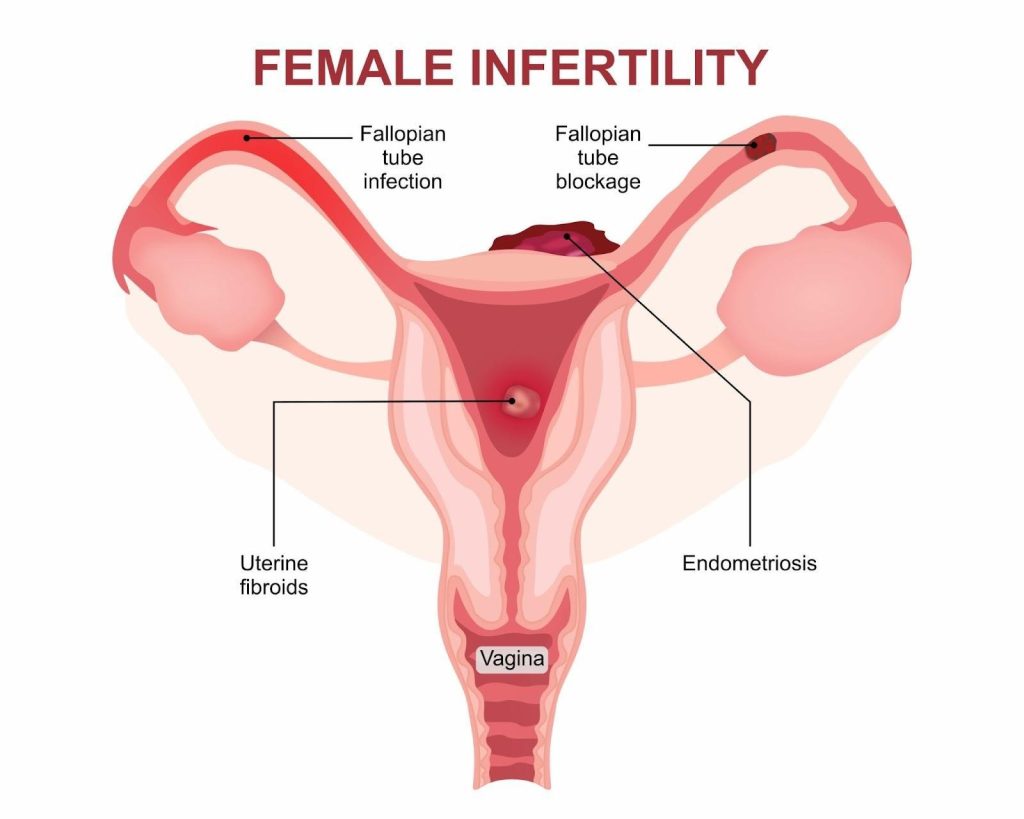
Endometriosis — a condition where tissue similar to the uterine lining grows outside the uterus, potentially affecting the ovaries, fallopian tubes or pelvic structures.
Fallopian tube blockage — damage or blockage that prevents the egg and sperm from meeting, often related to previous infections, surgery or inflammation.
Uterine conditions — fibroids, polyps or abnormalities in the uterine shape that may interfere with implantation or pregnancy.
Age-related fertility decline — a natural reduction in egg quantity and quality with age, particularly after the mid-30s, which can make conception more difficult.
Female infertility may be caused by ovulation problems, hormonal imbalances, conditions such as PCOS or endometriosis, structural issues of the uterus or fallopian tubes and age-related decline in fertility.
What are the main causes of male infertility?
Male infertility is commonly linked to factors that affect sperm production, function, or delivery. These issues may develop gradually and often have no obvious symptoms, which is why medical assessment is important.
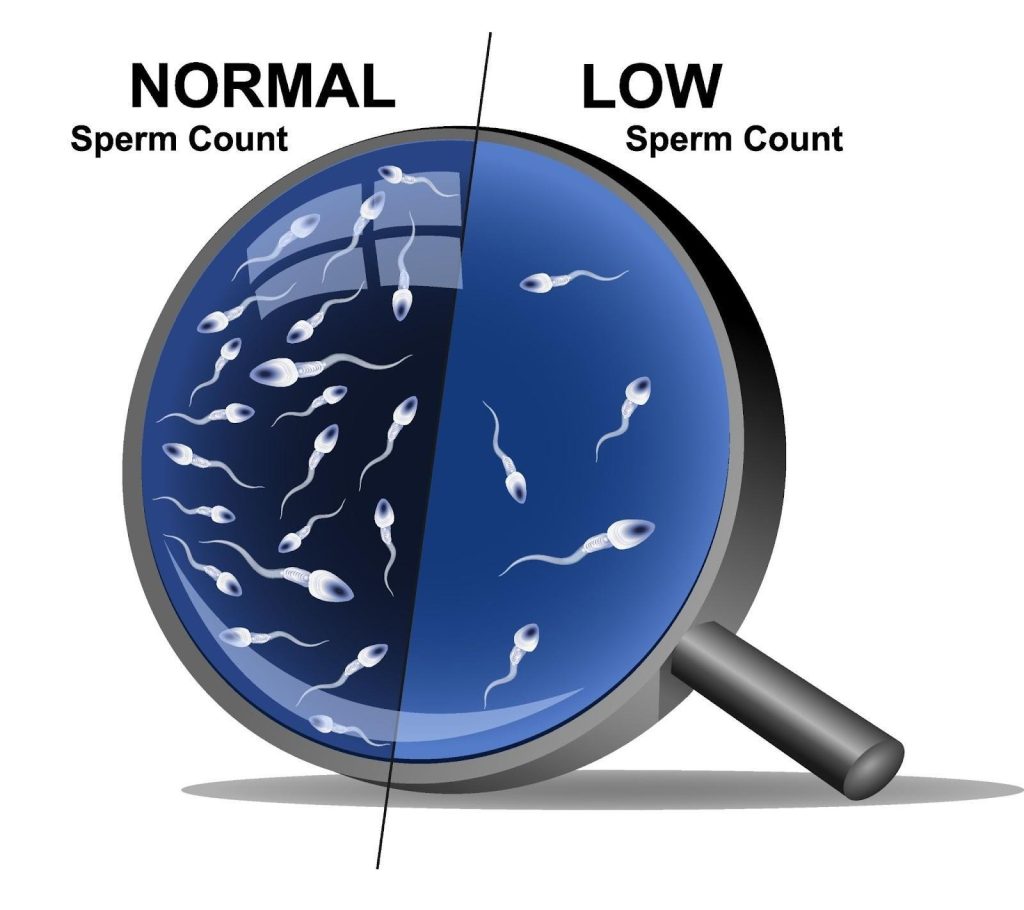
Low sperm count and poor sperm quality — reduced sperm numbers, low motility or abnormal sperm shape can limit the ability to fertilise an egg.
Hormonal imbalances — conditions affecting testosterone, thyroid hormones or pituitary function can interfere with sperm production.
Varicocele — enlarged veins around the testicles that can raise testicular temperature and impair sperm quality.
Infections and testicular conditions — past infections, inflammation, injury or medical conditions affecting the testicles may disrupt sperm production.
Lifestyle and environmental factors — smoking, excessive alcohol use, obesity, chronic stress, heat exposure and certain workplace or environmental toxins can negatively affect male fertility.
Male infertility is commonly caused by low sperm count, poor sperm quality or movement, hormonal imbalances and lifestyle or health factors that affect sperm production.
Can infertility be caused by both partners?
Yes, infertility can involve factors from both partners with about 50 percent being female factors and the other half male factors. In some cases, male and female causes coexist, each contributing to difficulty conceiving. Focusing on only one partner may delay diagnosis and lead to incomplete or ineffective treatment.
A couple-based evaluation allows doctors to assess hormonal health, reproductive function, lifestyle factors and medical history in both partners at the same time. Early assessment of both individuals helps identify contributing factors sooner and supports a more coordinated and appropriate treatment plan.
When should you see a doctor about infertility?
Knowing when to seek medical advice can help avoid unnecessary delays in diagnosis and treatment. While many couples conceive naturally with time, certain timelines and health factors signal the need for earlier assessment.
After 12 months of trying — if a woman is under 35 and pregnancy has not occurred despite regular, unprotected intercourse.
After six months of trying — if a woman is aged 35 or above, due to age-related fertility decline.
Irregular or absent menstrual cycles — which may indicate ovulation or hormonal problems.
Known hormonal or metabolic conditions — including thyroid disorders, insulin resistance or PCOS.
Previous pelvic or testicular surgery — which may affect reproductive structures or function.
History of endometriosis or pelvic infections — conditions that can impact fertility.
Known sperm-related issues — such as low sperm count or poor sperm quality.
How is infertility diagnosed?
Infertility is diagnosed through a structured medical evaluation that looks at reproductive health, hormonal balance, and lifestyle factors in both partners. The aim is to identify possible causes and guide appropriate treatment.
Medical history and lifestyle review — assessment of menstrual patterns, sexual health, past medical or surgical history, medications, stress levels and lifestyle habits.
Blood tests and hormonal assessment — evaluation of hormones that regulate ovulation, sperm production, thyroid function and metabolic health.
Ultrasound and imaging tests — scans to assess the ovaries, uterus, and reproductive structures for conditions such as cysts, fibroids or structural abnormalities.
Semen analysis — laboratory assessment of sperm count, movement and shape to evaluate male fertility.
Ovulation tracking and cycle evaluation — monitoring menstrual cycles to confirm if and when ovulation is occurring.
What fertility tests are commonly done in Singapore?
Fertility testing in Singapore follows established medical standards and is tailored to each individual or couple. Tests are selected based on age, medical history, and initial assessment findings.
Hormone profiling — blood tests to assess hormones involved in ovulation, sperm production, thyroid function and metabolic balance.
Ultrasound scans — pelvic ultrasounds to evaluate the uterus, ovaries, and follicles, and to identify conditions such as fibroids, cysts or polycystic ovaries.
Semen analysis standards — laboratory testing performed according to recognised guidelines to assess sperm count, motility and morphology.
Tubal patency tests — imaging tests used to check whether the fallopian tubes are open and able to allow fertilisation.
What patients can expect during testing — most tests are minimally invasive, carried out over one or more clinic visits and explained clearly before and after to ensure patients understand the purpose and results of each investigation.
How is infertility treated in Singapore?
Hormonal imbalances, insulin resistance, thyroid disorders, weight-related issues and lifestyle factors can all interfere with fertility in both women and men. Addressing these contributors early can improve natural conception and support the effectiveness of further fertility treatments. At The Metabolic Clinic, infertility care focuses on identifying and managing metabolic and hormonal factors that influence reproductive health.
Hormonal and endocrine assessment and management — treatment of thyroid disorders, insulin resistance and other hormonal imbalances that affect ovulation and sperm production.
Medical weight management — doctor-guided weight optimisation to support hormonal regulation and menstrual regularity.
Management of conditions such as PCOS— addressing metabolic drivers that disrupt ovulation and cycle regularity.
Lifestyle and metabolic optimisation — structured support for nutrition, physical activity, sleep and stress to improve fertility-related outcomes.
Medication-based treatment where indicated — targeted medical therapy to support ovulation or correct hormonal disruptions.
Summary
Infertility is a medically-recognised condition that can affect individuals and couples at different stages of life, often due to a combination of reproductive, hormonal, metabolic and lifestyle factors. Accurate diagnosis, timely assessment and an understanding of both female and male contributors are essential in determining appropriate management. A structured approach that considers hormonal balance, metabolic health and overall wellbeing can help clarify causes and support informed decision-making around treatment options.
If you are experiencing difficulty conceiving or have concerns about your fertility, you may schedule a consultation at The Metabolic Clinic for a medical assessment and personalised guidance.
Most couples conceive within one year of regular, unprotected intercourse. If pregnancy does not occur within this time, a medical assessment may be helpful.
Unexplained infertility means standard tests show no clear cause despite thorough evaluation. Fertility challenges may still exist at a functional or hormonal level.
Dr Dinesh graduated with honours from Monash University, Melbourne in 2009, receiving the Prince Henry's Prize in Surgery. During his endocrinology training in Melbourne, he won the top registrar award at the Endocrine Society of Australia Clinical Weekend in 2016, followed by securing Australia's only Andrology fellowship in 2017. Upon returning to Singapore, he was the sub-speciality lead for adrenal, pituitary, and bone services at Khoo Teck Puat Hospital and established The Metabolic Bone Clinic.
A passionate educator, he served as Associate Programme Director for Endocrinology at NHG, training the next generation of endocrinologists, and received the NHG Teaching Award for Senior Doctors in 2023. An expert endocrinologist with proficiency in both general and sub-speciality endocrinology, he has an interest in longevity through improving cardiovascular risk, metabolism, bone health, and muscle loss prevention, with the ultimate aim of improving the number of healthy years in one's life.
10+ Years of Experience in Hormone & Metabolic Health
Founder of The Metabolic Bone Clinic in Khoo Teck Puat Hospital
Sub-specialist training with international experts in Melbourne, Australia
Clinical Interest in Longevity & Metabolic Health
START YOUR PERSONALISED HEALTH JOURNEY
If you’re not achieving your treatment targets, struggling with weight changes, fatigue, or unexplained symptoms—it’s time to take a deeper look.
Get clarity with a tailored plan built around you and improving your metabolic health.