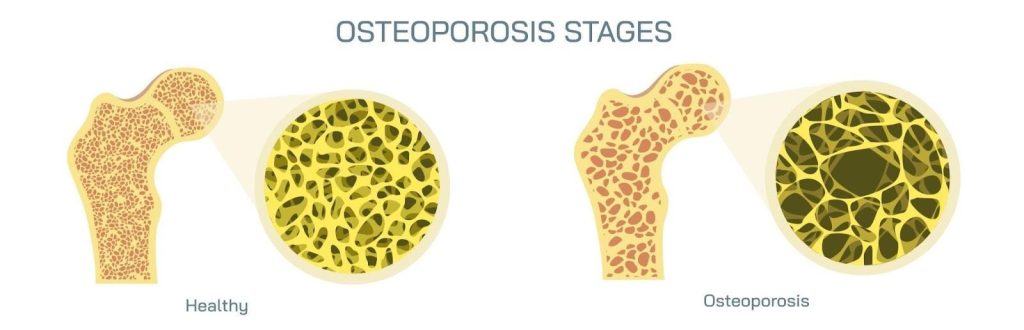
Osteoporosis is a medical condition in which bone strength is reduced due to an excessive loss of bone and deterioration of bone structure with increased fragility.
Osteoporosis is a medical condition in which bone strength is reduced due to an excessive loss of bone and deterioration of bone structure with increased fragility. This weakening makes bones more vulnerable to fractures, often after a minor fall or even normal daily activities. The most commonly affected sites are the hip, spine and wrist, where fractures can cause significant pain, deformity or long-term disability.
Because osteoporosis usually develops silently over many years, it is often not diagnosed until a fracture occurs. This is the equivalent of not treating diabetes before a heart attack or stroke occurs. Early assessment is therefore crucial. With timely bone density testing, risk evaluation and appropriate treatment, it is possible to preserve bone health, lower the risk of fractures and maintain mobility. Effective management helps individuals remain active and independent, protecting not just physical function but overall quality of life.
What is osteoporosis?
Osteoporosis is a chronic condition characterised by a reduction in bone mineral density and deterioration of bone microarchitecture, leading to decreased bone strength. As a result, bones become more prone to fractures, even from minor trauma such as a fall from standing height.
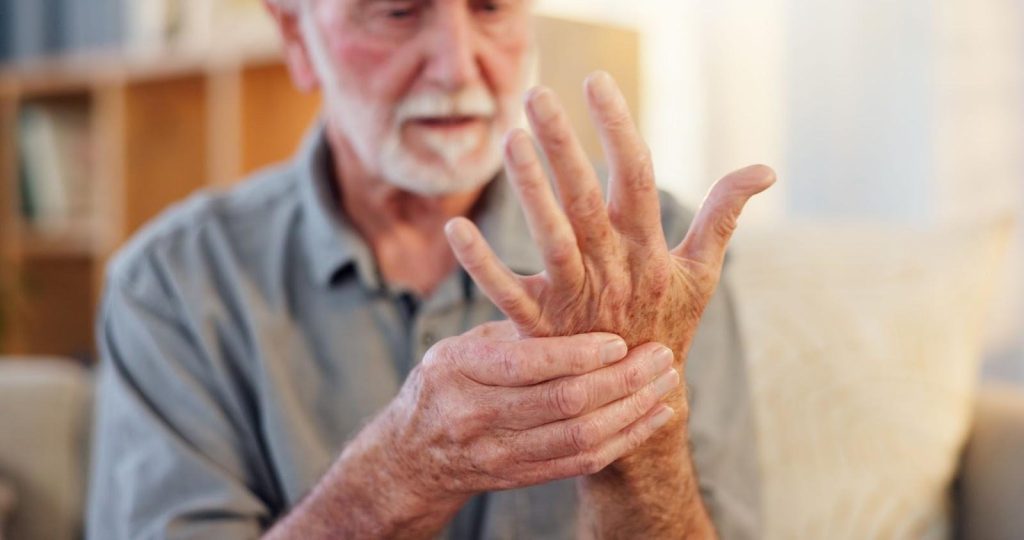
It is often referred to as a “silent disease” because it develops gradually without obvious symptoms. Many people are unaware they have osteoporosis until they sustain a fracture, most commonly in the hip, spine or wrist. Spinal fractures may also cause loss of height, a stooped posture and long-term back pain.
Osteoporosis is one of the most common bone diseases worldwide, particularly affecting older adults. While it is more prevalent in women after menopause due to declining oestrogen levels and genetically determined lower bone density, men are also at risk, especially with advancing age, low testosterone or underlying health conditions. Recognising osteoporosis as a medical condition that can be assessed, treated and managed is key to preventing fractures and preserving long-term health.
Osteoporosis is a progressive bone disorder characterised by reduced bone strength and weakened structure (fragility), which increases the risk of fractures.
Who is at risk of osteoporosis?
Osteoporosis can affect both men and women, but some groups have a higher likelihood of developing the condition. Understanding risk factors helps identify those who should undergo early assessment and preventive care.
Age — the risk increases with age as bone mass naturally declines from around the age of 30.
Sex — women are at greater risk, particularly after menopause when oestrogen levels fall, but older men are also vulnerable.
Medical conditions and medications — low testosterone, long-term use of corticosteroids, thyroid disorders, rheumatoid arthritis, gastrointestinal diseases affecting nutrient absorption and certain cancers are known to increase risk.
By recognising these risk factors, individuals and healthcare providers can take proactive steps to assess bone health early and begin interventions before fractures occur.
Why is osteoporosis assessment important?
Osteoporosis often develops silently over many years, with no noticeable symptoms until a fracture occurs. By the time a fracture has happened, significant bone loss is usually already present. This is why proactive assessment is so important.
Early osteoporosis assessment allows doctors to:
Detect bone loss before fractures occur — bone density scans can identify weakened bones at an early stage.
Estimate fracture risk — tools such as the FRAX score help calculate an individual’s likelihood of breaking a bone in the next 10 years.
Guide treatment decisions — knowing the extent of bone loss allows tailored recommendations, including lifestyle changes, supplements or medication.
Prevent serious complications — hip and spine fractures, in particular, are associated with long-term pain, disability, loss of independence and an increase in mortality.
Regular assessment in at-risk groups ensures that osteoporosis can be identified early and treated promptly, greatly reducing the risk of life-altering fractures.
How is osteoporosis assessed?
Osteoporosis assessment involves a combination of medical history, physical evaluation, imaging tests and laboratory investigations. These help determine bone strength, identify risk factors and guide treatment.
Bone density testing (DEXA scan) — the dual-energy X-ray absorptiometry (DEXA) scan is the most widely used test for diagnosing osteoporosis. It measures bone mineral density (BMD) at the hip and spine, producing a T-score that indicates whether bone density is normal, reduced (osteopenia), or in the osteoporosis range.
Clinical risk assessment tools — tools such as the FRAX score combine BMD results with personal risk factors (age, sex, family history, smoking, alcohol intake, medical conditions) to estimate the 10-year probability of a major fracture.
Blood and urine tests — these may be used to check calcium and vitamin D levels, thyroid and parathyroid function, kidney health and bone turnover markers, helping to rule out secondary causes of osteoporosis.
Physical examination and history — doctors will review fracture history, lifestyle factors, medications and overall health to identify contributing risks.
These assessments provide a comprehensive view of bone health, which helps ensure accurate diagnosis and a personalised treatment plan.
What are the symptoms and complications of osteoporosis?
Osteoporosis is often called a “silent disease” because it causes no symptoms in its early stages. Many people are unaware they have weakened bones until they suffer a fracture.
Symptoms
Most people do not experience symptoms until bone loss is advanced.
In some cases, height loss, a stooped posture or back pain may develop due to spinal fractures.
Complications
Fractures — the most serious consequence, commonly affecting the hip, spine and wrist:
Spinal fractures — can cause chronic pain, reduced height and spinal deformity (kyphosis or stooped posture).
Hip fractures — often require surgery, may lead to long-term disability and are linked with increased mortality in older adults.
Reduced independence — recurrent fractures and chronic pain may impair mobility, leading to loss of independence and reduced quality of life.
Because fractures can have life-changing effects, recognising osteoporosis before complications occur is critical to protecting long-term health and well-being.
Osteoporosis can lead to serious complications, most notably fractures of the hip, spine and wrist, which may cause pain, disability and loss of independence.
Can osteoporosis be prevented?
While not all cases can be prevented, there are effective steps to maintain strong bones and reduce the risk of developing osteoporosis later in life. Prevention is especially important for people with risk factors or a family history of the condition.
Healthy diet — ensuring adequate intake of calcium and vitamin D supports bone formation and maintenance. This may be achieved through diet, supplements or safe sun exposure.
Regular exercise — weight-bearing activities such as walking, jogging and resistance training help build and maintain bone strength. Balance exercises, like tai chi or yoga, also reduce the risk of falls.
Lifestyle choices — avoiding smoking and limiting excessive alcohol intake are key, as both accelerate bone loss and increase fracture risk.
Early screening — for individuals with risk factors, regular bone density testing allows early detection and timely treatment before fractures occur.
By adopting healthy habits early and undergoing screening when appropriate, many people can significantly lower their chances of developing osteoporosis or prevent it from worsening.
How is osteoporosis treated?
The aim of treatment is to strengthen bones, reduce the risk of fractures and support overall health. Management usually combines lifestyle measures, nutritional support and medications tailored to the individual’s needs.
Lifestyle measures
Diet — adequate intake of calcium and vitamin D is essential for bone health. Dairy products, leafy greens, fish and supplements (if required) help maintain optimal levels.
Exercise — weight-bearing and resistance exercises improve bone strength and muscle support, reducing fall risk.
Lifestyle choices — quitting smoking and limiting alcohol are important for preventing further bone loss.
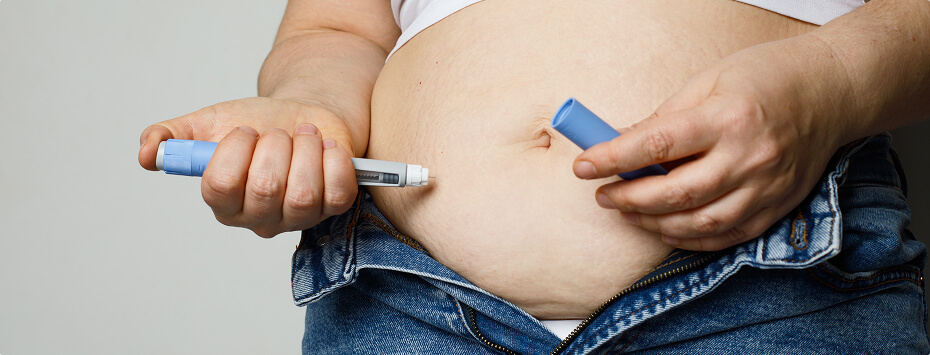
Denosumab — an injection that reduces bone resorption, often used in those who cannot take bisphosphonates or those with more severe osteoporosis as it is quicker in improving bone mineral density.
Selective oestrogen receptor modulators (SERMs) — mimic oestrogen’s protective effect on bone in postmenopausal women and used in the post-menopausal lady with modest improvements in bone mineral density.
Anabolic agents — such as teriparatide or romosozumab, which stimulate new bone formation in severe osteoporosis.
Fall prevention strategies
Identifying and addressing fall risks at home, correcting vision or hearing problems and balance training programmes all help reduce the chance of fractures.
With a comprehensive treatment plan, osteoporosis can be managed effectively, significantly lowering the risk of disabling fractures and helping patients maintain mobility and independence.
Prognosis and recovery after osteoporosis treatment
With timely diagnosis and effective treatment, most people with osteoporosis can significantly reduce their risk of fractures and maintain a good quality of life. The outlook depends on the severity of bone loss at the time of diagnosis, adherence to treatment and the presence of other health conditions.
Fracture risk reduction — medications such as bisphosphonates, denosumab or anabolic agents can substantially lower the likelihood of hip, spine and wrist fractures when taken as prescribed by up to 80 percent.
Bone strength improvement — the target is to get the patient’s bones to a strength that is better than osteoporosis (fixing osteoporosis) in order to markedly reduce the chance of a fracture.
Quality of life — with proper management, most patients can remain mobile, active and independent. Those recovering from fractures may require rehabilitation, physiotherapy or lifestyle modifications to regain function and prevent future falls.
Long-term outlook — Ongoing monitoring with bone density scans, regular medical reviews and commitment to lifestyle measures such as exercise and adequate nutrition are essential for sustained results.
In short, osteoporosis is a manageable condition. Early treatment offers the best chance to preserve bone strength, avoid fractures and maintain independence as people age.
Summary
Osteoporosis is a progressive condition that weakens bones and significantly increases the risk of fractures, often without warning signs until a break occurs. Early detection is crucial, as assessment with bone density scans and risk evaluation allows treatment to begin before complications develop. With the right combination of lifestyle adjustments, nutritional support and medical therapy, osteoporosis can be effectively managed, helping to preserve bone strength, prevent fractures and protect long-term independence.
If you are at risk of osteoporosis or want to take proactive steps to safeguard your bone health, schedule an assessment with The Metabolic Clinic for comprehensive evaluation, personalised treatment and ongoing support. Dr Dinesh is a sub-specialist in this area. You will be looked after by an expert endocrinologist in this area.
No. While it is more common in women after menopause, men can also develop osteoporosis, particularly with ageing, certain medical conditions or long-term use of medications like corticosteroids.
Post-menopausal women and men over 70 are generally advised to have a scan, but earlier assessment may be needed if you have risk factors such as previous fractures, long-term steroid use, early menopause or a family history of osteoporosis.
Osteoporosis itself does not usually cause pain, but fractures, particularly in the spine, can lead to chronic pain, loss of height and postural changes.
Treatment duration varies depending on the drug and individual response. Some people may use medication for several years, with periodic review to decide whether to continue or switch therapy.
Osteopenia refers to mildly reduced bone density that is not yet in the osteoporosis range. It signals higher risk and may require lifestyle changes and monitoring to prevent progression.
Yes. Weight-bearing and strength-training exercises help maintain bone strength, while balance exercises reduce the risk of falls. Exercise is an important part of treatment.
Like all medicines, osteoporosis drugs may cause side effects. These vary depending on the medication, but your doctor will weigh benefits against risks when recommending treatment.
Dr Dinesh graduated with honours from Monash University, Melbourne in 2009, receiving the Prince Henry's Prize in Surgery. During his endocrinology training in Melbourne, he won the top registrar award at the Endocrine Society of Australia Clinical Weekend in 2016, followed by securing Australia's only Andrology fellowship in 2017. Upon returning to Singapore, he was the sub-speciality lead for adrenal, pituitary, and bone services at Khoo Teck Puat Hospital and established The Metabolic Bone Clinic.
A passionate educator, he served as Associate Programme Director for Endocrinology at NHG, training the next generation of endocrinologists, and received the NHG Teaching Award for Senior Doctors in 2023. An expert endocrinologist with proficiency in both general and sub-speciality endocrinology, he has an interest in longevity through improving cardiovascular risk, metabolism, bone health, and muscle loss prevention, with the ultimate aim of improving the number of healthy years in one's life.
10+ Years of Experience in Hormone & Metabolic Health
Founder of The Metabolic Bone Clinic in Khoo Teck Puat Hospital
Sub-specialist training with international experts in Melbourne, Australia
Clinical Interest in Longevity & Metabolic Health
START YOUR PERSONALISED HEALTH JOURNEY
If you’re not achieving your treatment targets, struggling with weight changes, fatigue, or unexplained symptoms—it’s time to take a deeper look.
Get clarity with a tailored plan built around you and improving your metabolic health.