Early Signs of Insulin Resistance (and What to Do Next)
August 14, 2026
Insulin resistance is a condition in which the body’s cells respond poorly to insulin, leading to reduced glucose uptake and higher blood sugar levels over time.
Persistent post-meal fatigue, frequent hunger and weight gain around the abdomen are often dismissed as stress or poor lifestyle habits. However, these subtle changes may be early signs of insulin resistance.
Insulin resistance develops gradually and rarely causes obvious symptoms in its early stages. Influenced by lifestyle habits, dietary patterns and genetics, it can quietly affect metabolism long before blood sugar levels become abnormal. Addressing insulin resistance early can help reduce the risk of type 2 diabetes, cardiovascular disease and fatty liver disease while supporting better long-term metabolic health.
In this blog, we explain what insulin resistance is, the early signs to look out for, who may be at greater risk and the steps that can help improve insulin sensitivity and protect your health.
Understanding insulin and insulin resistance
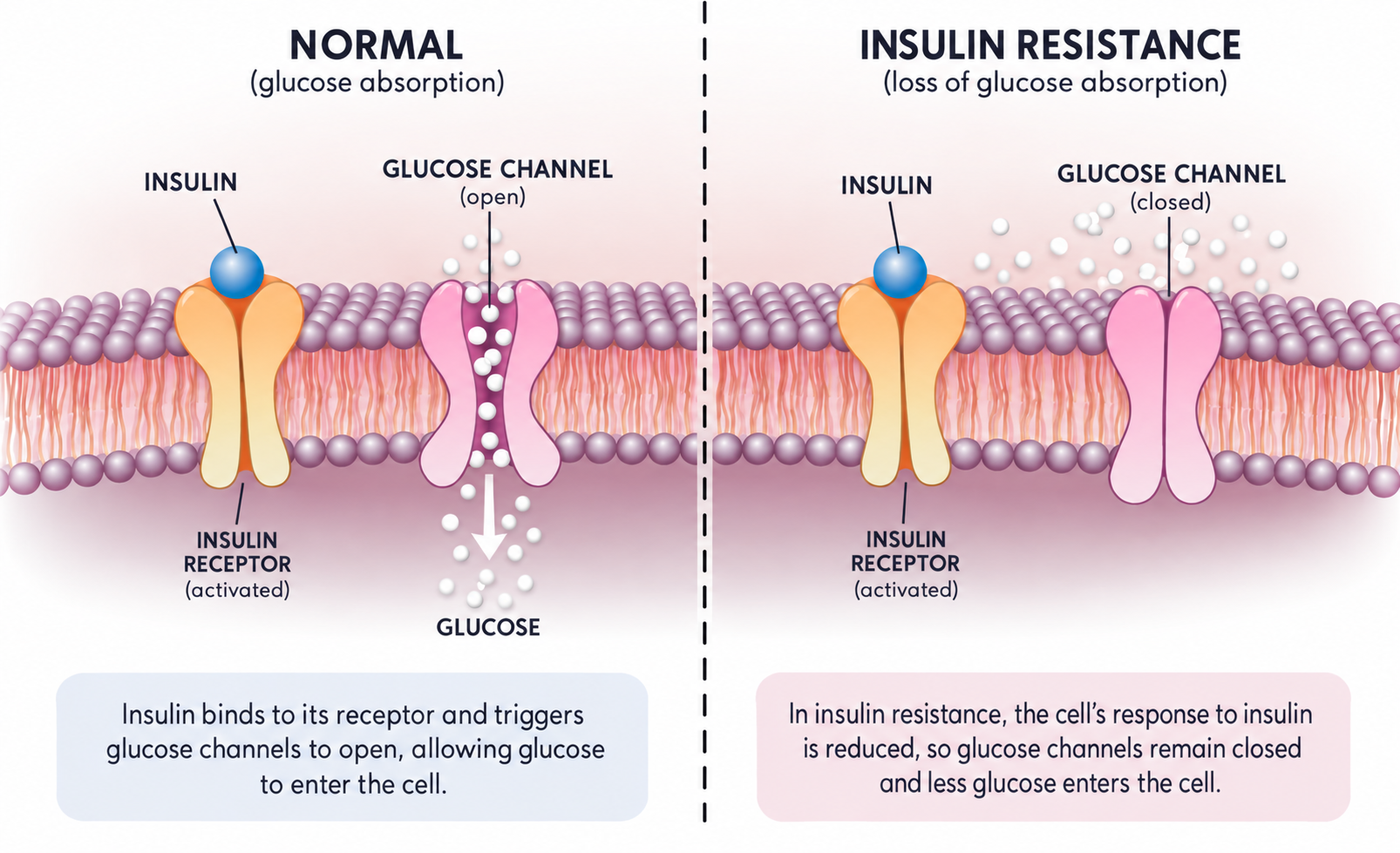
Insulin resistance occurs when cells respond poorly to insulin, prompting the pancreas to produce more insulin to maintain blood sugar levels, resulting in a gradual rise in both insulin and glucose over time.
Insulin is a hormone produced by the pancreas that helps regulate blood sugar levels. After a meal, carbohydrates are broken down into glucose, which enters the bloodstream. Insulin allows glucose to move from the blood into the body's cells, where it is used for energy.
Insulin resistance occurs when the body's cells become less responsive to insulin [1]. As a result, glucose is less effectively absorbed by the cells, prompting the pancreas to produce more insulin to maintain normal blood sugar levels. Over time, this increased demand can place strain on the pancreas and contribute to rising blood sugar levels.
Why does this matter?
Although insulin resistance often develops silently, its effects can extend far beyond blood sugar levels. Over time, persistently elevated insulin and glucose levels can increase the risk of developing Type 2 Diabetes, Non-alcoholic Fatty Liver Disease and Cardiovascular Disease. Early identification and management of insulin resistance can help reduce the likelihood of these complications and support better long-term metabolic health.
What are the early signs of insulin resistance?
Early signs of insulin resistance often develop gradually and can be easy to miss in day-to-day life. They are frequently mistaken for routine fatigue, stress or minor dietary issues. Paying attention to these early changes can help identify underlying metabolic concerns and reduce the risk of more serious complications over time.
Persistent fatigue after meals — Feeling unusually tired or sluggish after eating, especially after carbohydrate-heavy meals. This can happen without insulin resistance but is worse with insulin resistance. This may reflect the body’s reduced ability to use glucose efficiently despite higher insulin levels.
Frequent sugar or carbohydrate cravings — A tendency to reach for sweets or refined foods throughout the day. Fluctuating blood sugar levels can trigger repeated hunger signals and cravings.
Weight gain around the abdomen — Fat accumulation around the waist despite no major changes in diet or activity. This pattern is commonly linked to reduced insulin sensitivity.
Feeling hungry soon after eating — Difficulty staying full even after a complete meal. Cells are not receiving enough glucose, leading the body to signal for more food.
Brain fog or poor concentration — Difficulty focusing, mental fatigue or reduced clarity during the day. Irregular glucose uptake by the brain can affect cognitive function.
Darkened skin patches (acanthosis nigricans) — Areas of darker, thicker skin, often around the neck, underarms or groin. This is a visible sign associated with higher insulin levels.
Borderline blood test results — Slightly elevated fasting glucose, HbA1c or triglycerides without a formal diagnosis. These early changes may indicate underlying insulin resistance.
Who is more likely to experience insulin resistance?
Although insulin resistance can affect anyone, it is more commonly seen in people with certain metabolic conditions, body-composition patterns or inherited risk factors.
People living with obesity or are overweight — Excess body fat, particularly visceral fat stored around the abdominal organs, can release inflammatory substances and fatty acids that interfere with insulin signaling. However, insulin resistance can also occur in people who are not overweight.
People with prediabetesor type 2 diabetes — Insulin resistance commonly develops before blood sugar levels become abnormal. In prediabetes, the pancreas may still produce enough additional insulin to compensate. Type 2 diabetes can develop when this compensation is no longer sufficient to maintain healthy blood sugar levels.
Women with PCOS — Insulin resistance is common among women with polycystic ovary syndrome and may contribute to elevated androgen levels, irregular periods, difficulties with weight management and fertility concerns.
People with a history of gestational diabetes — Developing diabetes during pregnancy is associated with a higher likelihood of insulin resistance and type 2 diabetes later in life.
People with metabolic syndrome or fatty liver disease — A large waist circumference, high triglycerides, low HDL cholesterol, elevated blood pressure and metabolic dysfunction-associated steatotic liver disease (MASLD) frequently occur alongside insulin resistance.
People with a family history or higher inherited risk — Having a close relative with type 2 diabetes can increase the likelihood of insulin resistance. People of Asian ethnicity may also develop metabolic risk at a lower BMI than some other populations.
Ageing, physical inactivity, poor sleep, smoking and certain hormonal or medical conditions can further increase the likelihood of developing insulin resistance. Importantly, appearance or body weight alone cannot confirm or exclude the condition.
Insulin resistance may cause weight gain around the abdomen due to increased fat storage linked to impaired glucose metabolism.
When should you see a doctor for insulin resistance?
It is advisable to seek medical evaluation if early symptoms persist or begin to affect daily functioning. Ongoing fatigue, frequent hunger or difficulty maintaining energy levels despite regular meals may indicate underlying metabolic imbalance. Individuals with a strong family history of Type 2 Diabetes should be particularly mindful, as genetic predisposition can increase the likelihood of developing insulin resistance at an earlier stage.
Medical attention is also important if routine screening tests show borderline or abnormal results, even in the absence of clear symptoms. Difficulty losing weight despite consistent dietary control and physical activity may further suggest reduced insulin sensitivity. Early assessment allows for timely intervention, helping to prevent progression to more serious metabolic conditions and enabling a more targeted approach to management.
How can an Endocrinologist help?
An endocrinologist can assess your overall metabolic health, identify factors contributing to insulin resistance and determine whether related conditions such as prediabetes, Type 2 Diabetes, PCOS or fatty liver disease are present. This typically involves a review of symptoms, medical history, lifestyle habits and blood test results.
Based on the findings, a personalised management plan can be developed to improve insulin sensitivity and reduce long-term health risks. This may include dietary guidance, exercise recommendations, weight management strategies, metabolic monitoring and medical treatment where appropriate.
How is insulin resistance treated?
For most individuals, treatment begins with lifestyle modifications, while medication may be recommended for selected patients depending on their overall metabolic health and treatment goals.
Lifestyle modifications
Lifestyle changes form the foundation of insulin resistance treatment. A balanced diet rich in whole foods, lean protein, healthy fats and fibre can help support more stable blood sugar levels while reducing excessive insulin demand. Regular physical activity, including both aerobic exercise and resistance training, helps the muscles use glucose more efficiently and improves insulin sensitivity.
Weight management may also play an important role. For individuals who are overweight or obese, even modest weight loss can lead to meaningful improvements in insulin sensitivity and overall metabolic health. Adequate sleep, effective stress management and smoking cessation further support healthy glucose regulation and may reduce the progression of insulin resistance.
How can GLP-1 medicines help with insulin resistance?
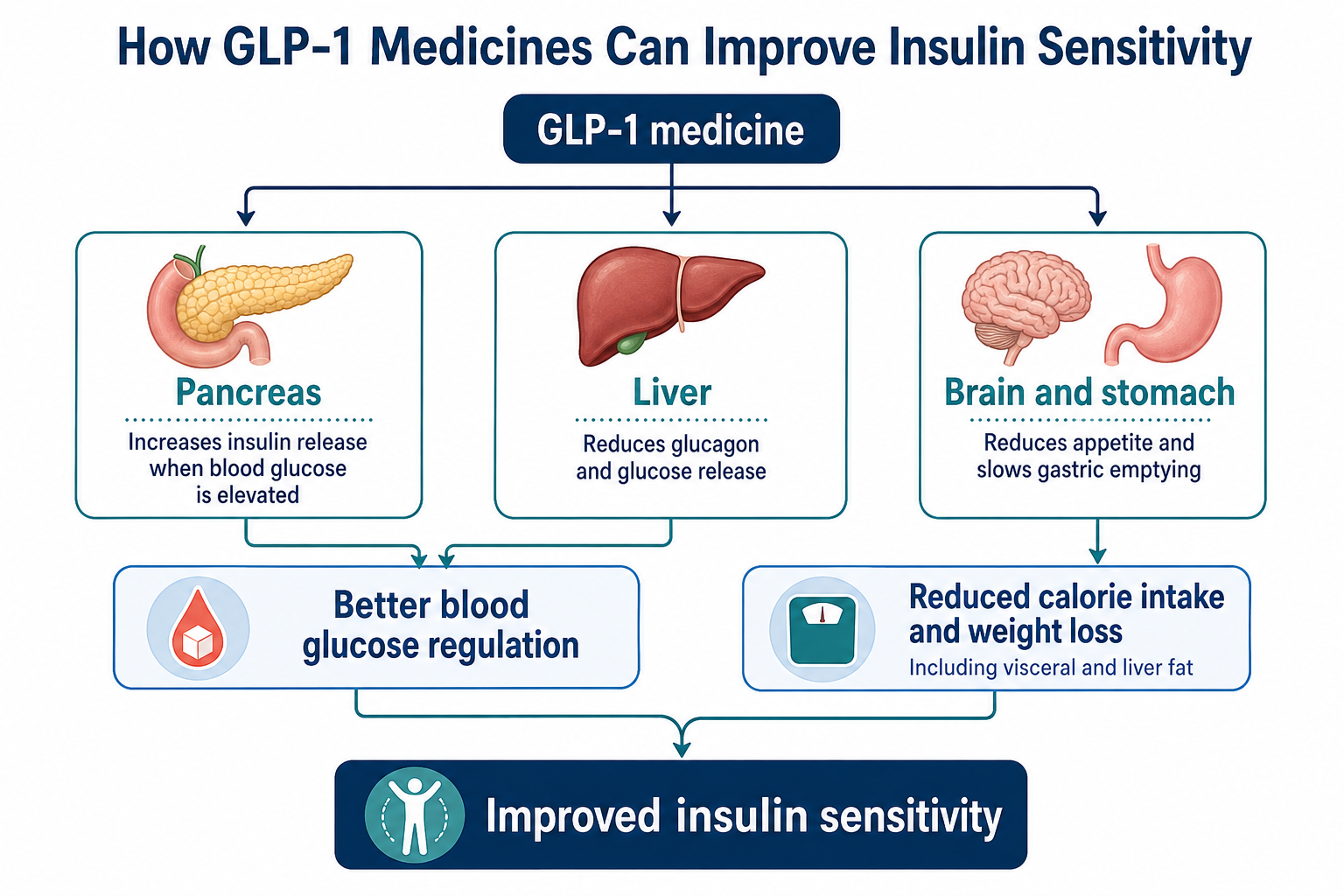
GLP‑1 medicines improve insulin sensitivity by supporting glucose-dependent insulin release, reducing glucagon and promoting weight loss.
GLP-1 receptor agonists mimic the action of glucagon-like peptide-1, a hormone naturally released by the gut after eating. When blood glucose is elevated, these medications help the pancreas release insulin while reducing glucagon, a hormone that prompts the liver to release glucose. They may also slow gastric emptying, reduce appetite and help patients feel satisfied with less food.
For people living with obesity or are overweight, the resulting reduction in calorie intake and body weight, particularly excess visceral and liver fat, can help the muscles and liver respond more effectively to insulin. This improves insulin sensitivity and reduces the amount of insulin needed to regulate blood sugar.
Dual GIP/GLP-1 receptor agonists act on both GIP and GLP-1 pathways. They similarly support glucose-dependent insulin release, reduce glucagon levels and promote weight loss. Tirzepatide, for example, has also demonstrated increased insulin sensitivity in clinical studies.
These medications are generally prescribed for approved indications such as type 2 diabetes or chronic weight management where it has caused metabolic disease such as hypertension/ dyslipidaemia/ Metabolic dysfunction associated with steatotic liver disease, rather than insulin resistance alone. An endocrinologist can assess whether they are appropriate based on the individual’s overall health, treatment goals and potential risks.
Ongoing monitoring
Regular follow-up allows treatment to be adjusted as metabolic health changes over time. Blood tests, weight, blood pressure and other metabolic markers may be monitored periodically to assess progress and identify any changes that require further intervention. Ongoing monitoring also provides an opportunity to reinforce healthy lifestyle habits and optimise long-term metabolic health.
Summary
Although receiving a diagnosis of insulin resistance may feel concerning, identifying it early is actually an opportunity to take action before it progresses to more serious metabolic conditions. In many individuals, insulin resistance can be significantly improved and, in some cases, return to normal when it is recognised early and managed with appropriate lifestyle changes and medical treatment where needed.
If you are experiencing symptoms of insulin resistance or have concerns about your metabolic health, schedule a consultation with The Metabolic Clinic. Early assessment allows for personalised treatment that can help improve insulin sensitivity, reduce the risk of developing prediabetes or type 2 diabetes, and support better long-term health.
Yes, insulin resistance can be present long before diabetes develops [5]. In the early stages, the body compensates by producing more insulin to keep blood sugar levels within a normal range. This means routine blood glucose tests may still appear normal, even though underlying metabolic changes have already begun.
Over time, this compensatory mechanism becomes less effective. The pancreas may struggle to keep up with the increased demand for insulin, leading to a gradual rise in blood sugar levels. Identifying insulin resistance at this stage allows for earlier intervention, reducing the risk of progression to Type 2 Diabetes and related complications.
Insulin resistance and prediabetesare closely related but not the same [6]. Insulin resistance refers to the reduced responsiveness of the body’s cells to insulin, which can occur even when blood sugar levels are still within the normal range. Prediabetes, on the other hand, is a clinical condition defined by blood sugar levels that are higher than normal but not yet high enough for a diabetes diagnosis.
In many cases, insulin resistance precedes prediabetes and contributes to its development. As the body becomes less able to maintain normal glucose levels, measurable changes appear in blood tests such as fasting glucose or HbA1c. Recognising this distinction is important, as addressing insulin resistance early can help prevent or delay progression to prediabetes and eventually Type 2 Diabetes.
Insulin resistance tends to progress quietly if it is not addressed. Over time, the body’s ability to maintain normal blood sugar levels becomes increasingly impaired, placing strain on multiple systems. What begins as a subtle metabolic imbalance can gradually lead to more established and difficult-to-manage health conditions.
Non-alcoholic Fatty Liver Disease — Excess fat begins to accumulate in the liver, which can progress to inflammation and liver damage over time.
Cardiovascular Disease — Changes in cholesterol levels, blood pressure and inflammation increase the risk of heart-related complications.
Polycystic Ovary Syndrome — Hormonal imbalance may affect menstrual cycles, fertility and metabolic health, particularly in women.
Addressing insulin resistance early provides an opportunity to prevent or delay these outcomes and maintain better long-term health.
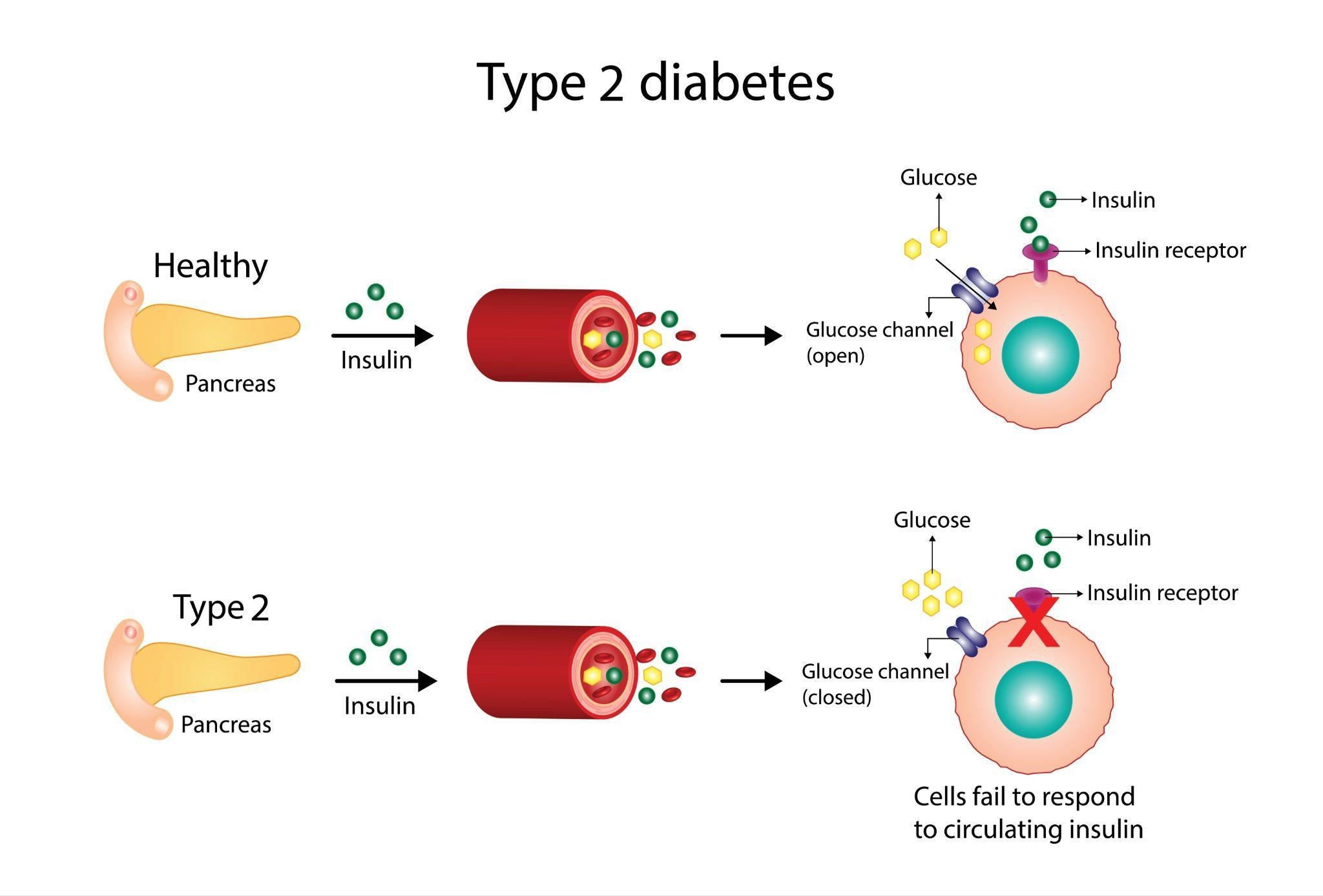
Untreated insulin resistance can lead to type 2 diabetes, where cells no longer respond effectively to insulin and glucose remains in the bloodstream instead of entering the cells.
Insulin resistance is not identified through a single test but through a combination of clinical assessment and laboratory findings. Doctors look at patterns in blood sugar, insulin levels and related markers to understand how the body is responding over time.
Fasting blood glucose — Measures baseline blood sugar levels after an overnight fast. Higher-than-normal values may suggest impaired glucose regulation.
HbA1c (glycated haemoglobin) — Reflects average blood sugar levels over the past two to three months. It helps identify early trends even when daily readings appear normal.
Fasting insulin levels — Assesses how much insulin the body is producing at rest. Elevated levels can indicate that the body is compensating for reduced sensitivity.
Oral glucose tolerance test (OGTT) — Measures how the body processes glucose over time after consuming a glucose drink. Delayed clearance may indicate reduced insulin effectiveness.
Lipid profile — Evaluates cholesterol and triglyceride levels. Patterns such as high triglycerides and low HDL are often associated with insulin resistance.
These tests are interpreted together, alongside symptoms and risk factors, to form a clearer picture of metabolic health.
Management of insulin resistance is most effective when it is tailored to the individual. A specialist approach focuses on identifying underlying drivers and applying targeted strategies that can be sustained over time.
Comprehensive metabolic evaluation — A detailed review of blood markers, medical history and lifestyle factors to identify specific areas of concern.
Personalised diet and lifestyle planning — Structured guidance on nutrition, physical activity, sleep and stress, adapted to individual routines and preferences.
Ongoing monitoring and early intervention — Regular follow-up to track improvements, adjust strategies, and introduce medical treatment when clinically appropriate.
This approach supports gradual, measurable improvement while reducing the risk of progression to more serious metabolic conditions.
Lifestyle changes play a central role in improving insulin sensitivity and slowing the progression of metabolic disease. Small, consistent adjustments in daily habits can lead to meaningful improvements in how the body regulates blood sugar over time.
Dietary modifications — Emphasising whole foods, balanced meals and controlled portions of carbohydrates can help stabilise blood sugar levels [9]. Increasing fibre and protein intake while reducing refined sugars supports better insulin response.
Regular physical activity — Exercise improves the body’s ability to use glucose by increasing muscle uptake of sugar from the bloodstream. Both aerobic activity and resistance training contribute to improved insulin sensitivity.
Weight management — Reducing excess body weight, particularly around the abdomen/visceral fat reduction, can significantly improve how the body responds to insulin. Even modest weight loss can lead to measurable metabolic benefits.
Adequate sleep — Maintaining a consistent sleep routine supports hormonal balance and helps regulate blood sugar levels. Poor sleep is associated with reduced insulin sensitivity.
Stress management — Managing chronic stress through relaxation techniques, structured routines or behavioural strategies can help reduce cortisol levels, which in turn supports better metabolic control.
These changes are most effective when they are sustainable and tailored to individual needs, forming the foundation of long-term metabolic health.
Diet plays a key role in improving insulin sensitivity and maintaining stable blood sugar levels. The focus is not on strict restriction, but on choosing foods that support a steady release of glucose and reduce unnecessary spikes in insulin.
Low glycaemic index carbohydrates — Choosing foods such as whole grains, legumes and non-starchy vegetables helps prevent rapid rises in blood sugar compared to refined carbohydrates [11].
Reduced intake of refined sugars and processed foods — Limiting sugary drinks, desserts and highly processed snacks helps reduce repeated insulin spikes [12].
Nogueira, J. P., & Cusi, K. (2024). Role of insulin resistance in the development of nonalcoholic fatty liver disease in people with type 2 diabetes: From bench to patient care. Diabetes Spectrum: A Publication of the American Diabetes Association, 37(1), 20–28. https://doi.org/10.2337/dsi23-0013
Kosmas, C. E., Bousvarou, M. D., Kostara, C. E., Papakonstantinou, E. J., Salamou, E., & Guzman, E. (2023). Insulin resistance and cardiovascular disease. The Journal of International Medical Research, 51(3), 03000605231164548. https://doi.org/10.1177/03000605231164548
Shah, A., & Kanaya, A. M. (2014). Diabetes and associated complications in the south asian population. Current Cardiology Reports, 16(5), 476. https://doi.org/10.1007/s11886-014-0476-5
Horáková, D., Štěpánek, L., Janout, V., Janoutová, J., Pastucha, D., Kollárová, H., Petráková, A., Štěpánek, L., Husár, R., & Martiník, K. (2019). Optimal homeostasis model assessment of insulin resistance (Homa-ir) cut-offs: A cross-sectional study in the czech population. Medicina, 55(5), 158. https://doi.org/10.3390/medicina55050158
H. Ibrahim, S. M., Shahat, E. A., Amer, L. A., & Aljohani, A. K. (n.d.). The impact of using carbohydrate counting on managing diabetic patients: A review. Cureus, 15(11), e48998. https://doi.org/10.7759/cureus.48998
Murillo, S., Mallol, A., Adot, A., Juárez, F., Coll, A., Gastaldo, I., & Roura, E. (2022). Culinary strategies to manage glycemic response in people with type 2 diabetes: A narrative review. Frontiers in Nutrition, 9, 1025993. https://doi.org/10.3389/fnut.2022.1025993
Mphasha, M. H., & Vagiri, R. (2025). A narrative review of the interplay between carbohydrate intake and diabetes medications: Unexplored connections and clinical implications. International Journal of Molecular Sciences, 26(2), 624. https://doi.org/10.3390/ijms26020624
DiNicolantonio, J. J., & O’Keefe, J. H. (2022). Added sugars drive insulin resistance, hyperinsulinemia, hypertension, type 2 diabetes and coronary heart disease. Missouri Medicine, 119(6), 519–523. https://www.ncbi.nlm.nih.gov/pmc/articles/PMC9762218/
Alahmari, L. A. (2024). Dietary fiber influence on overall health, with an emphasis on CVD, diabetes, obesity, colon cancer, and inflammation. Frontiers in Nutrition, 11, 1510564. https://doi.org/10.3389/fnut.2024.1510564
chat with us
Welcome to The Metabolic Clinic
Holistic Care for Hormones, Bones, and Metabolic Health
Dr Dinesh graduated with honours from Monash University, Melbourne in 2009, receiving the Prince Henry's Prize in Surgery. During his endocrinology training in Melbourne, he won the top registrar award at the Endocrine Society of Australia Clinical Weekend in 2016, followed by securing Australia's only Andrology fellowship in 2017. Upon returning to Singapore, he was the sub-speciality lead for adrenal, pituitary, and bone services at Khoo Teck Puat Hospital and established The Metabolic Bone Clinic.
A passionate educator, he served as Associate Programme Director for Endocrinology at NHG, training the next generation of endocrinologists, and received the NHG Teaching Award for Senior Doctors in 2023. An expert endocrinologist with proficiency in both general and sub-speciality endocrinology, he has an interest in longevity through improving cardiovascular risk, metabolism, bone health, and muscle loss prevention, with the ultimate aim of improving the number of healthy years in one's life.
10+ Years of Experience in Hormone & Metabolic Health
Founder of The Metabolic Bone Clinic in Khoo Teck Puat Hospital
Sub-specialist training with international experts in Melbourne, Australia
Clinical Interest in Longevity & Metabolic Health
START YOUR PERSONALISED HEALTH JOURNEY
If you’re not achieving your treatment targets, struggling with weight changes, fatigue, or unexplained symptoms—it’s time to take a deeper look.
Get clarity with a tailored plan built around you and improving your metabolic health.