Cardiorenal Metabolic Syndrome: How Heart, Kidney and Metabolic Health Are Linked
June 30, 2026
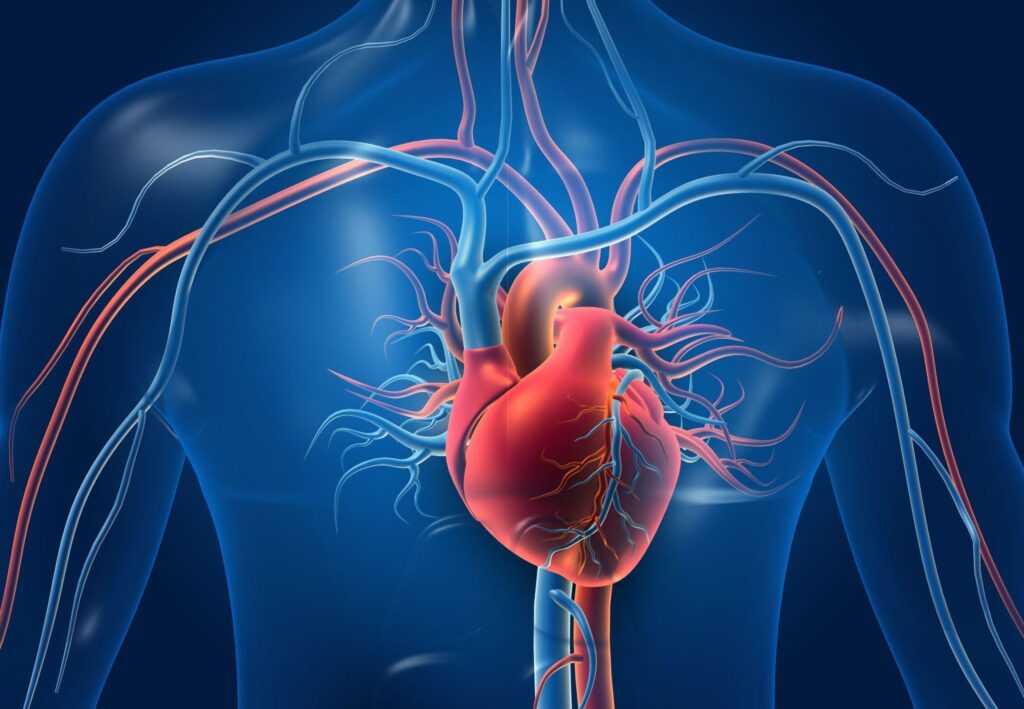
The heart, kidneys and metabolic system work closely together, with dysfunction in one system often affecting the others and increasing the risk of chronic disease.
What if heart disease, kidney disease and diabetes weren’t separate diseases at all?
For decades, these conditions have been treated independently. But research now shows they are closely interconnected. Problems that begin with excess body fat or insulin resistance can gradually affect the kidneys, while declining kidney function can place additional strain on the heart. Rather than existing in isolation, each condition can fuel the progression of the others.
This concept is known as Cardiorenal Metabolic Syndrome (CKM Syndrome), a framework that recognises the heart, kidneys and metabolic system as part of one interconnected network. Understanding this relationship allows doctors to identify risk earlier, intervene sooner and reduce the likelihood of serious complications such as heart attack, stroke, heart failure and chronic kidney disease.
In this article, we'll explain what Cardiorenal Metabolic Syndrome is, why it matters and how protecting one organ often means protecting them all.
Cardiorenal Metabolic Syndrome at a Glance
What is it?
A framework that recognises the close relationship between the heart, kidneys and metabolic system, where dysfunction in one can affect the others.
Common risk factors
Obesity, insulin resistance, prediabetes, type 2 diabetes, high blood pressure, abnormal cholesterol and chronic kidney disease.
Potential complications
Heart attack, stroke, heart failure, chronic kidney disease and other cardiovascular complications.
Early warning signs
Increasing waist circumference, elevated blood pressure, rising blood sugar, abnormal cholesterol, protein in the urine and declining kidney function.
Can it be prevented?
In many cases, yes. Early identification of risk factors, healthy lifestyle changes and appropriate medical treatment can slow or prevent disease progression.
Who should be assessed?
Individuals with obesity, diabetes, hypertension, chronic kidney disease or multiple cardiometabolic risk factors.
What is cardiorenal metabolic syndrome?
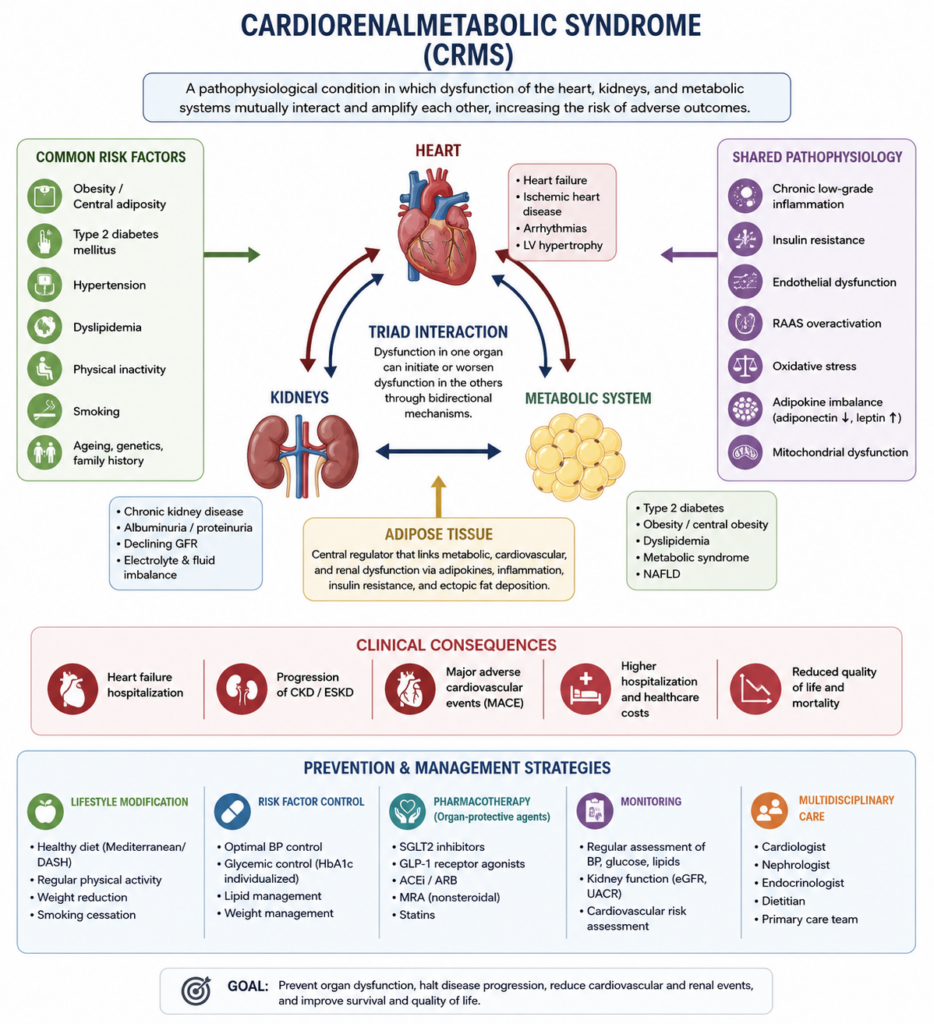
Cardiorenal Metabolic Syndrome is a condition that links metabolic dysfunction, kidney disease and cardiovascular disease through shared risk factors and interconnected biological processes.
Cardiorenal Metabolic Syndrome (CKM Syndrome) [1], also known as Cardiovascular-Kidney-Metabolic Syndrome, is a term used to describe the close relationship between cardiovascular disease, kidney disease and metabolic disorders such as obesity, insulin resistance and type 2 diabetes. It reflects the understanding that these conditions are not isolated health problems but are interconnected through shared risk factors and biological processes.
Cardiorenal Metabolic Syndrome places emphasis on identifying and addressing risk factors early, before significant organ damage occurs. By recognising the links between metabolic, cardiovascular and kidney health, healthcare professionals can take a more comprehensive approach to prevention, risk assessment and treatment.
How are the heart, kidneys and metabolic system connected?
Cardiorenal Metabolic Syndrome develops because the heart, kidneys and metabolic system constantly influence one another. Changes affecting one system can trigger a chain reaction that impacts the others, creating a cycle of progressive disease.
Connection
What happens?
Why it matters
Metabolic System → Heart
Excess body fat, insulin resistance and elevated blood sugar promote chronic inflammation, endothelial dysfunction and damage to blood vessels.
Increases the risk of high blood pressure, atherosclerosis, coronary artery disease and heart failure.
Metabolic System → Kidneys
Elevated blood sugar damages the small blood vessels in the kidneys, while obesity, insulin resistance and hypertension place additional strain on kidney function.
Increases the risk of chronic kidney disease (CKD) and reduces the kidneys' ability to filter waste effectively.
Kidneys → Heart
Declining kidney function causes fluid retention, hormonal imbalances and elevated blood pressure.
Places extra strain on the heart, increasing the risk of heart failure and other cardiovascular complications.
Heart → Kidneys
Heart disease can reduce blood flow to the kidneys, limiting the oxygen and nutrients they receive.
Can accelerate kidney damage and contribute to worsening kidney function.
The Cardiorenal Connection
Heart disease and kidney disease have a bidirectional relationship, meaning dysfunction in one organ can worsen the other.
Creates a cycle where cardiovascular and kidney disease progressively reinforce one another, increasing the risk of serious complications.
Early warning signs to look out for
One of the challenges of Cardiorenal Metabolic Syndrome is that it often develops gradually and may not cause obvious symptoms in its early stages. In many cases, the first signs are detected through routine health screenings rather than physical symptoms.
Potential early warning signs include:
Increasing waist circumference or central weight gain
Elevated blood pressure readings
Rising fasting blood glucose or HbA1c levels
Abnormal cholesterol or triglyceride levels
Fatty liver detected on imaging
Protein or albumin detected in the urine
Declining kidney function on blood tests
Reduced exercise tolerance
Persistent fatigue or low energy levels
As the condition progresses, some individuals may develop symptoms related to cardiovascular or kidney disease, including swelling in the ankles, shortness of breath, chest discomfort or changes in urinary habits. However, many people remain symptom-free until significant disease has already developed, highlighting the importance of regular health screening.
The stages of cardiorenal metabolic syndrome
An increasing waist circumference or central weight gain may be an early sign of excess visceral fat, a key driver of Cardiorenal Metabolic Syndrome and its associated cardiovascular, kidney and metabolic risks.
Cardiorenal Metabolic Syndrome develops along a continuum rather than appearing suddenly. To help identify risk earlier and guide preventive care, the American Heart Association (AHA) has proposed a staging system that reflects the progression from optimal health to established cardiovascular disease [21].
Stage 0: Optimal Health
Stage 0 refers to individuals with healthy cardiovascular, kidney and metabolic function. There are no significant risk factors, and measures such as body weight, blood pressure, blood sugar and kidney function remain within healthy ranges.
Stage 1: Excess or Dysfunctional Body Fat
At this stage, excess body fat, particularly abdominal or visceral fat, begins to affect metabolic health. Although significant disease may not yet be present, changes in body composition can increase the risk of future insulin resistance, hypertension and cardiovascular disease.
Stage 2: Metabolic Risk Factors or Early Kidney Disease
Stage 2 is characterised by the presence of one or more metabolic risk factors, such as elevated blood pressure, abnormal cholesterol levels, prediabetes, type 2 diabetes or evidence of early kidney dysfunction. This stage often represents an important opportunity for intervention before significant organ damage occurs.
Stage 3: Increased Cardiovascular Risk
Individuals in Stage 3 have developed a higher likelihood of cardiovascular disease due to the cumulative effects of metabolic and kidney-related risk factors. Structural or functional changes affecting the heart and blood vessels may already be present, even if symptoms have not yet developed.
Stage 4: Established Cardiovascular Disease
Stage 4 involves clinically recognised cardiovascular disease, such as coronary artery disease, heart attack, stroke, heart failure or peripheral arterial disease. At this stage, comprehensive management is essential to reduce complications and improve long-term outcomes.
Importantly, progression through these stages is not inevitable. Early identification of risk factors and appropriate intervention can slow disease progression and, in some cases, prevent advancement to more severe stages.
How is cardiorenal metabolic syndrome diagnosed?
There is no single test that confirms Cardiorenal Metabolic Syndrome. Diagnosis involves evaluating multiple aspects of cardiovascular, kidney and metabolic health to identify risk factors and determine the extent of disease.
Medical History and Risk Assessment — A healthcare professional will review personal and family medical history, current health conditions, lifestyle factors and any symptoms that may suggest cardiovascular, metabolic or kidney-related disease.
Blood Pressure Measurement — Blood pressure is a key component of cardiometabolic health. Persistently elevated readings can indicate increased cardiovascular and kidney disease risk.
Blood Tests — Several blood tests may be performed to assess metabolic and kidney function, including:
HbA1c to evaluate long-term blood sugar control
Fasting blood glucose to identify prediabetes or diabetes
Fasting insulin levels to identify insulin resistance prior to prediabetes
Lipid profile to assess cholesterol and triglyceride levels
Kidney function tests such as serum creatinine and estimated glomerular filtration rate (eGFR)
Urine Testing — Urine tests can detect the presence of protein or albumin, which may indicate early kidney damage before symptoms become apparent.
Body Composition Assessment — Measurements such as body mass index (BMI), waist circumference and body fat distribution help assess obesity-related risk and metabolic health. At the metabolic clinic we prefer DEXA body composition scans.
Cardiovascular Risk Evaluation — Additional investigations may be recommended depending on an individual’s risk profile. These may include cardiovascular imaging, electrocardiography (ECG) or other assessments used to evaluate heart and vascular health.
How is cardiorenal metabolic syndrome treated?
Treatment aims to reduce overall disease risk by addressing cardiovascular, kidney and metabolic health simultaneously. Management plans are tailored to the individual's health profile and risk factors.
Lifestyle and Nutrition Changes — Lifestyle modification forms the foundation of treatment. A balanced dietary pattern that supports healthy weight management, blood sugar control and cardiovascular health is often recommended.
Weight Management — For individuals who are overweight or obese, achieving and maintaining a healthy weight can improve metabolic function, lower blood pressure and reduce strain on the cardiovascular and renal systems.
Physical Activity — Regular exercise supports cardiovascular fitness, improves insulin sensitivity and contributes to better overall metabolic health. Physical activity recommendations should be tailored to individual abilities and medical conditions.
Blood Sugar Management — Effective control of blood glucose levels helps reduce the risk of diabetes-related complications and protects both cardiovascular and kidney health.
Blood Pressure Control — Maintaining healthy blood pressure levels is important for reducing strain on the heart and minimising kidney damage.
Cholesterol Management — Improving cholesterol and triglyceride levels can help lower the risk of atherosclerosis and cardiovascular disease.
Medications — Depending on an individual's risk profile and existing medical conditions, medications may be prescribed to manage blood pressure, blood sugar, cholesterol levels or kidney disease. Newer therapies may provide benefits across multiple aspects of cardiometabolic health and the use of these medications such as GLP-1 Agonists and SGLT-2 inhibitors have revolutionised cardiorenal metabolic syndrome by addressing route causes.
When should you visit an Endocrinologist?
Consider seeing an endocrinologist if you have one or more risk factors for Cardiorenal Metabolic Syndrome, particularly if lifestyle changes alone have not been enough to improve your health. Early assessment can help identify metabolic abnormalities before they progress to cardiovascular or kidney disease.
You should consider scheduling an appointment if you:
Have overweight or obesity, particularly excess abdominal fat.
Have prediabetes or type 2 diabetes.
Have persistently elevated blood pressure or abnormal cholesterol levels.
Have insulin resistance or metabolic syndrome.
Have abnormal kidney function or protein detected in your urine.
Have fatty liver disease alongside metabolic risk factors.
Have a family history of type 2 diabetes, cardiovascular disease or chronic kidney disease.
Are struggling to lose weight despite consistent diet and exercise.
Have been diagnosed with one cardiometabolic condition and would like a comprehensive assessment of your overall cardiovascular, kidney and metabolic health.
Early intervention may help slow disease progression, reduce the risk of long-term complications and support better heart, kidney and metabolic health.
Summary
Cardiorenal Metabolic Syndrome recognises that the heart, kidneys and metabolic system are closely interconnected. Risk factors such as obesity, insulin resistance, high blood pressure and abnormal cholesterol can affect multiple organ systems simultaneously, increasing the likelihood of heart disease, chronic kidney disease and other long-term complications. Early identification and management can help slow disease progression and improve long-term health outcomes.
If you have concerns about your weight, blood sugar, blood pressure, cholesterol or kidney health, or have multiple cardiometabolic risk factors, consider booking a consultation with the team at The Metabolic Clinic. A personalised assessment can help identify your risk factors and develop a tailored management plan to support your long-term cardiovascular, kidney and metabolic health.
References
Singh, A., Kesani, H., Verma, S., Saleh, T. M., & Rai, M. (n.d.). Cardio-renal metabolic syndrome: An integrated approach to prevention and management. Cureus, 17(10), e94134. https://doi.org/10.7759/cureus.94134
Tanasescu, M.-D., Rosu, A.-M., Minca, A., Rosu, A.-L., Grigorie, M.-M., Timofte, D., & Ionescu, D. (2026). Metabolic dysfunction at the core: Revisiting the overlap of cardiovascular, renal, hepatic, and endocrine disorders. Life, 16(1), 172. https://doi.org/10.3390/life16010172
Wondmkun, Y. T. (2020). Obesity, insulin resistance, and type 2 diabetes: Associations and therapeutic implications. Diabetes, Metabolic Syndrome and Obesity: Targets and Therapy, 13, 3611–3616. https://doi.org/10.2147/DMSO.S275898
Said, S., & Hernandez, G. T. (2014). The link between chronic kidney disease and cardiovascular disease. Journal of Nephropathology, 3(3), 99–104. https://doi.org/10.12860/jnp.2014.19
Choo, Y. N., Ravi, R. N., & Subramaniyan, V. (2026). Insulin resistance induced by obesity: Mechanisms, metabolic implications and therapeutic approaches. Molecular Biology Reports, 53(1), 357. https://doi.org/10.1007/s11033-026-11509-3
Jha, R., Lopez-Trevino, S., Kankanamalage, H. R., & Jha, J. C. (2024). Diabetes and renal complications: An overview on pathophysiology, biomarkers and therapeutic interventions. Biomedicines, 12(5), 1098. https://doi.org/10.3390/biomedicines12051098
Hall, M. E., do Carmo, J. M., da Silva, A. A., Juncos, L. A., Wang, Z., & Hall, J. E. (2014). Obesity, hypertension, and chronic kidney disease. International Journal of Nephrology and Renovascular Disease, 7, 75–88. https://doi.org/10.2147/IJNRD.S39739
Wang, Z., & Nakayama, T. (2010). Inflammation, a link between obesity and cardiovascular disease. Mediators of Inflammation, 2010, 535918. https://doi.org/10.1155/2010/535918
Xing, Y., Yang, X., & Zhao, Q. (n.d.). The association between family history of hypertension and diabetic kidney disease in patients with diabetes: A cross-sectional study. Frontiers in Endocrinology, 17, 1774744. https://doi.org/10.3389/fendo.2026.1774744
Zhang, J., Huang, H., Lin, Z., Dong, J., Zhang, X., Gao, J., Liu, Y., Li, C., & Cui, Z. (2025). Associations between cardiovascular-kidney-metabolic syndrome and disability in activities of daily living: A nationwide longitudinal study among the middle-aged and older adults in China. Frontiers in Public Health, 12, 1480576. https://doi.org/10.3389/fpubh.2024.1480576
Godoy-Matos, A. F., Valério, C. M., Júnior, W. S. S., de Araujo-Neto, J. M., Sposito, A. C., & Suassuna, J. H. R. (2025). CARDIAL-MS (Cardio-renal-diabetes-liver-metabolic syndrome): A new proposition for an integrated multisystem metabolic disease. Diabetology & Metabolic Syndrome, 17, 218. https://doi.org/10.1186/s13098-025-01796-4
Alhindal, M., Janahi, J., D’Angelo, E. C., Lisignoli, V., Palmieri, R., Cutrì, A., Butera, G., Gatzoulis, M. A., & Montanaro, C. (2025). Impact of smoking on cardiovascular health: Mechanisms, epidemiology and specific concerns regarding congenital heart disease. International Journal of Cardiology Congenital Heart Disease, 20, 100581. https://doi.org/10.1016/j.ijcchd.2025.100581
Jean-Louis, G., Zizi, F., Clark, L. T., Brown, C. D., & McFarlane, S. I. (2008). Obstructive sleep apnea and cardiovascular disease: Role of the metabolic syndrome and its components. Journal of Clinical Sleep Medicine : JCSM : Official Publication of the American Academy of Sleep Medicine, 4(3), 261–272. https://www.ncbi.nlm.nih.gov/pmc/articles/PMC2546461/
Lassen, M. C. H., Ostrominski, J. W., Claggett, B. L., Ndumele, C. E., Biering-Sørensen, T., Matsushita, K., Selvin, E., Coresh, J., Shah, A., Solomon, S. D., & Vaduganathan, M. (2026). Cardiovascular–kidney–metabolic syndrome stages, echocardiographic characteristics, and heart failure risk: The atherosclerosis risk in communities study. Circulation, 153(17), 1268–1280. https://doi.org/10.1161/CIRCULATIONAHA.125.077894
chat with us
Welcome to The Metabolic Clinic
Holistic Care for Hormones, Bones, and Metabolic Health
Dr Dinesh graduated with honours from Monash University, Melbourne in 2009, receiving the Prince Henry's Prize in Surgery. During his endocrinology training in Melbourne, he won the top registrar award at the Endocrine Society of Australia Clinical Weekend in 2016, followed by securing Australia's only Andrology fellowship in 2017. Upon returning to Singapore, he was the sub-speciality lead for adrenal, pituitary, and bone services at Khoo Teck Puat Hospital and established The Metabolic Bone Clinic.
A passionate educator, he served as Associate Programme Director for Endocrinology at NHG, training the next generation of endocrinologists, and received the NHG Teaching Award for Senior Doctors in 2023. An expert endocrinologist with proficiency in both general and sub-speciality endocrinology, he has an interest in longevity through improving cardiovascular risk, metabolism, bone health, and muscle loss prevention, with the ultimate aim of improving the number of healthy years in one's life.
10+ Years of Experience in Hormone & Metabolic Health
Founder of The Metabolic Bone Clinic in Khoo Teck Puat Hospital
Sub-specialist training with international experts in Melbourne, Australia
Clinical Interest in Longevity & Metabolic Health
START YOUR PERSONALISED HEALTH JOURNEY
If you’re not achieving your treatment targets, struggling with weight changes, fatigue, or unexplained symptoms—it’s time to take a deeper look.
Get clarity with a tailored plan built around you and improving your metabolic health.