The thyroid and adrenal glands play essential roles in maintaining homeostasis (the body’s internal balance).
The thyroid and adrenal glands play essential roles in maintaining homeostasis (the body’s internal balance). The thyroid gland regulates metabolism, temperature and energy use, while the adrenal glands control the body’s response to physical stress through hormones such as cortisol and aldosterone. When either gland underproduces its hormones, vital processes slow down or become unstable, leading to fatigue, weakness, weight changes and difficulty coping with physical stress.
Thyroid and adrenal hormone replacement therapies are designed to restore these crucial hormones to normal levels when a deficiency has been diagnosed. By replacing what the body no longer produces adequately, these treatments help re-establish metabolic stability, support cardiovascular and immune health and improve overall energy and wellbeing. With accurate diagnosis, tailored dosing and ongoing medical supervision, hormone replacement allows patients to regain a sense of balance and maintain a healthy, active life.
What is thyroid and adrenal hormone replacement?
Thyroid and adrenal hormone replacement therapies are medical treatments that restore normal hormone levels when the body’s natural production is insufficient. Both therapies are essential for maintaining stable metabolism, blood pressure and energy levels, and are tailored to the specific hormone deficiency affecting each gland.
Thyroid hormone replacement — this treatment is used for hypothyroidism, a condition in which the thyroid gland does not produce enough thyroxine (T4). The most commonly prescribed medication, levothyroxine, is a synthetic form of T4 identical to the hormone produced naturally by the thyroid. It helps regulate metabolism, body temperature, heart rate and overall energy levels. Dosing is carefully adjusted through regular blood tests to ensure hormone levels remain within the optimal range. This is even more crucial during pregnancy.
Adrenal hormone replacement — this therapy is used for adrenal insufficiency, which may result from adrenal gland damage (Addison’s disease) or secondary causes such as pituitary dysfunction or long-term steroid use (the most common cause in Singapore as per Dr. Dinesh). Treatment typically involves hydrocortisone to replace cortisol and, if needed, fludrocortisone to replace aldosterone (when there is complete adrenal insufficiency). These medications help maintain normal stress response, fluid balance and blood pressure.
When prescribed and monitored correctly, thyroid and adrenal hormone replacement therapies safely restore hormonal balance, supporting long-term health and quality of life.
Why is hormone replacement needed?
Thyroid and adrenal hormones are vital for regulating essential body functions. When either gland underperforms, hormone levels drop below what the body needs to maintain normal metabolism, energy production and cardiovascular stability. Without replacement, these deficiencies can lead to serious and sometimes life-threatening complications.
Thyroid hormone replacement — this is required in conditions such as hypothyroidism, which may develop from autoimmune thyroid disease (Hashimoto’s thyroiditis), thyroid surgery or radioiodine treatment. A lack of thyroid hormone slows metabolism, causing fatigue, weight gain, cold intolerance and sluggishness. Severe, untreated hypothyroidism can lead to myxoedema, a rare but life-threatening state of metabolic failure.
Adrenal hormone replacement — this is needed in adrenal insufficiency, where the adrenal glands fail to produce adequate cortisol or aldosterone. This can occur due to autoimmune disease (Addison’s disease), pituitary disorders affecting ACTH production, or prolonged use of corticosteroid medication. Without treatment, patients may experience profound weakness, low blood pressure, and, in severe cases, an adrenal crisis, which is a medical emergency and life-threatening.
Hormone replacement is essential not only to relieve symptoms but also to protect the body from complications such as heart problems, electrolyte imbalances and metabolic instability. When monitored and adjusted carefully, replacement therapy restores hormonal balance and enables patients to lead full, active lives.
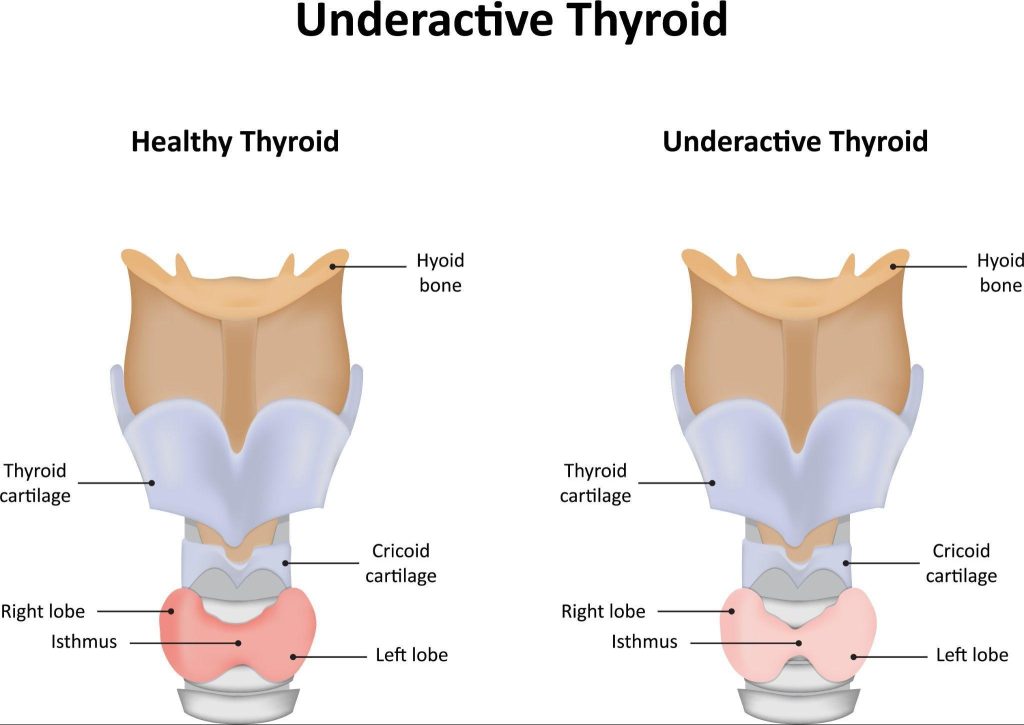
Thyroid hormone replacement is given for hypothyroidism, a condition in which the thyroid gland does not produce enough hormone to sustain normal metabolism and energy.
How is thyroid hormone replacement given?
Thyroid hormone replacement is most commonly prescribed in the form of levothyroxine, a synthetic version of thyroxine (T4), which is chemically identical to the hormone produced by the thyroid gland. Once taken, levothyroxine is converted in the body to triiodothyronine (T3), the active form responsible for regulating metabolism, heart rate and energy use.
The medication is usually taken once daily, preferably in the morning on an empty stomach, to ensure consistent absorption. The dose is individualised based on age, body weight, underlying health conditions and blood test results. Regular monitoring of thyroid-stimulating hormone (TSH) and free T4 levels is essential, especially in the first few months of treatment, to ensure the dose is optimal and to prevent over- or under-replacement.
In most cases, thyroid hormone replacement is lifelong. However, with proper adjustment and follow-up, patients can expect to regain normal metabolic function, improved energy and relief from symptoms such as fatigue, weight gain and cold intolerance.
Lifestyle factors, such as taking medication consistently, avoiding interference from supplements like calcium or iron and maintaining regular follow-up appointments are key to maintaining stable hormone levels and long-term wellbeing.
How is adrenal hormone replacement given?
Adrenal hormone replacement is prescribed to restore the essential hormones normally produced by the adrenal glands, particularly cortisol and, in some cases, aldosterone. These hormones regulate blood pressure, metabolism and the body’s response to stress, and their deficiency can lead to fatigue, low blood pressure and life-threatening adrenal crises if left untreated.
The main treatment for adrenal insufficiency is hydrocortisone, a synthetic form of cortisol. It is typically taken two or three times a day to mimic the body’s natural rhythm of hormone release — higher in the morning and lower in the evening. Alternatives such as prednisolone or dexamethasone may be used when once-daily dosing is preferred. In patients with low aldosterone levels, fludrocortisone may also be prescribed to help maintain normal salt and water balance and prevent dehydration.
Dosage is carefully individualised to avoid both under-replacement, which can cause fatigue and dizziness, and over-replacement, which may lead to weight gain, high blood pressure or bone loss. Patients are advised to increase their dose temporarily during illness, injury or surgery; times when the body would naturally produce more cortisol under medical guidance.
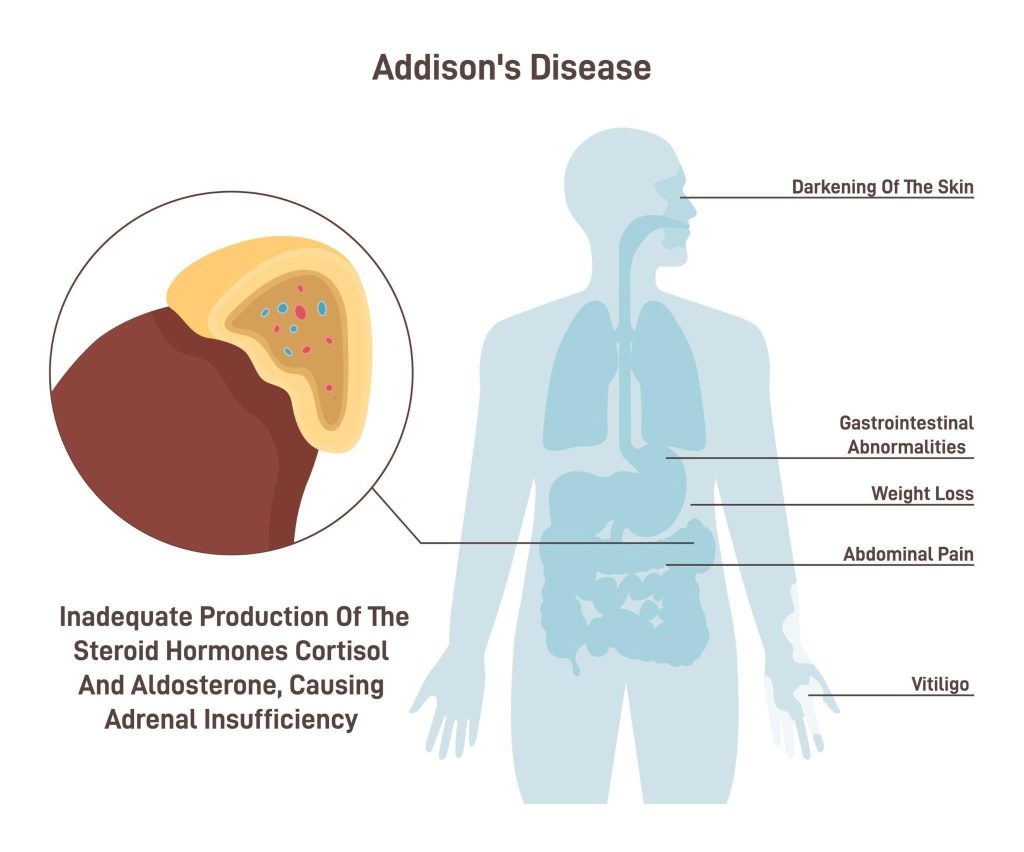
Adrenal hormone replacement is given for Addison’s disease or adrenal insufficiency, when the adrenal glands fail to produce enough cortisol and aldosterone to support normal metabolism and blood pressure.Can we remove vitiligo, it’s an associated condition but not due to addison’s.
What is Stress dosing?
During times of illness such as fever, fasting or operation, in people without adrenal lnsufficiency the adrenal glands increase secretion of cortisol to maintain blood pressure in times of physical stress. Without this blood pressure can drop and something called ‘adrenal crisis’ can occur and be life-threatening. As such an endocrinologist will counsel patients on what to do with their medication (increase) during such periods. An endocrinologist is often involved if the patient is admitted for surgery or severe infection in order to monitor and adjust the medication. Sometimes this medication will have to be given intravenously or as an injection into the muscle if the patient is severely unwell or unable to take tablets.
Monitoring and follow-up
Ongoing monitoring is an essential part of both thyroid and adrenal hormone replacement therapy. Regular reviews ensure that hormone levels remain within the target range, symptoms are well-controlled and treatment is adjusted appropriately to match the body’s changing needs.
For thyroid hormone replacement, blood tests measuring thyroid-stimulating hormone (TSH) and free T4 are typically performed every six to eight weeks after starting or adjusting therapy. Once levels stabilise, follow-up intervals may be extended to once or twice a year. The endocrinologist also assesses symptoms, medication adherence, and potential interactions with other treatments or supplements that may affect absorption.
For adrenal hormone replacement, regular clinical assessment and blood tests help confirm that cortisol and electrolyte levels are stable. Patients are advised on recognising signs of under- or over-replacement, such as fatigue, low blood pressure, weight gain or mood changes. Education about stress-dose adjustments, such as increasing medication temporarily during illness, surgery or major stress is a vital aspect of ongoing care.
Routine follow-up also includes evaluation of bone health, blood pressure and metabolic parameters to minimise long-term complications. Consistent supervision allows early detection of any hormonal imbalance, ensuring that therapy remains effective and safe over time.
Prognosis and living well with hormone replacement
With precise diagnosis, individualised dosing and ongoing follow-up, thyroid and adrenal hormone replacement therapies are highly effective and often life-saving. Once hormone levels are balanced, most patients regain energy, emotional stability and a better quality of life.
Thyroid hormone replacement — patients receiving thyroid hormone replacement can expect a gradual but steady recovery of metabolic function. Taking levothyroxine consistently each morning and attending scheduled follow-up visits help maintain stable hormone levels. With the right dose, symptoms such as fatigue, weight gain and sluggishness resolve and cardiovascular and metabolic health are restored.
Adrenal hormone replacement — for patients with adrenal insufficiency, hydrocortisone or other corticosteroid replacement allows the body to respond normally to everyday and stressful situations. Education is a key part of care; understanding when to adjust medication during illness, injury or surgery prevents adrenal crises. Patients are also advised to carry a medical alert bracelet or card and keep an emergency hydrocortisone injection kit available.
Long-term outlook — modern hormone replacement therapies can safely mimic the body’s natural hormonal rhythm. Regular endocrinology reviews, together with a healthy lifestyle, enable patients to remain active and well. With proper supervision, both thyroid and adrenal replacement therapies offer long-term stability and an excellent prognosis.
Summary
Thyroid and adrenal hormone replacement therapies play a vital role in restoring balance to the body’s hormonal systems. When either gland underproduces essential hormones, it can lead to fatigue, low blood pressure, mood changes and significant disruption to everyday life. With accurate diagnosis, careful dose adjustment and regular follow-up, replacement therapy helps re-establish stability, supporting normal metabolism, energy and stress response.
Both thyroid and adrenal hormone replacement are safe and effective when managed under specialist care. Most patients experience a full return of strength, focus and wellbeing once hormone levels are properly regulated. Ongoing monitoring ensures lasting control and prevents complications, allowing individuals to lead active, healthy lives.
If you are experiencing symptoms of hormonal imbalance or have been diagnosed with thyroid or adrenal insufficiency, schedule a consultation with The Metabolic Clinic for a detailed evaluation, personalised treatment and comprehensive long-term hormonal care.
People diagnosed with hypothyroidism, commonly due to Hashimoto’s thyroiditis, thyroid surgery or radioiodine therapy, require thyroid hormone replacement to correct low hormone levels and relieve symptoms such as fatigue, weight gain and cold intolerance.
Adrenal hormone replacement is prescribed for those with adrenal insufficiency caused by autoimmune disease (Addison’s disease), pituitary dysfunction or long-term steroid use. It prevents adrenal crises and supports normal daily functioning.
Levothyroxine is usually taken once daily, in the morning on an empty stomach, 30 minutes before food and no dairy is allowed for 2 hours. The dose is tailored based on blood test results measuring thyroid-stimulating hormone (TSH) and free T4 levels.
Hydrocortisone is typically taken two or three times a day to mimic the body’s natural cortisol rhythm, with higher doses in the morning. Fludrocortisone may be added to maintain salt and fluid balance in select cases.
Yes, but dosing must be carefully managed. In patients with both deficiencies, adrenal hormone replacement should always be started before thyroid replacement to prevent adrenal crisis.
Missing a single dose is usually not harmful. Take the medication as soon as you remember, or skip it if it’s close to the next scheduled dose. Avoid doubling doses.
Missing a dose of hydrocortisone can cause fatigue, dizziness or low blood pressure. If symptoms occur, take the missed dose promptly. For severe illness or vomiting, seek immediate medical help as an adrenal crisis may develop.
No, when properly dosed, hormone replacement restores normal metabolism. Weight gain typically occurs from over-replacement of steroids or associated metabolic issues, not from the medication itself.
Blood tests are done every six to eight weeks when starting or changing doses, then every six to twelve months once levels are stable. More frequent testing may be needed during illness, pregnancy or medication changes.
Yes, but always carry your medication, a medical alert card and an emergency hydrocortisone injection kit. Keep extra tablets and ensure you know how to adjust doses during stress or illness.
Most patients require lifelong treatment, though dosing may change over time. Regular follow-up ensures continued balance and helps avoid complications from over- or under-replacement.
With consistent medication, monitoring and endocrinologist supervision, patients on thyroid or adrenal hormone replacement can expect a normal life expectancy and excellent quality of life.
chat with us
Welcome to The Metabolic Clinic
Holistic Care for Hormones, Bones, and Metabolic Health
Dr Dinesh graduated with honours from Monash University, Melbourne in 2009, receiving the Prince Henry's Prize in Surgery. During his endocrinology training in Melbourne, he won the top registrar award at the Endocrine Society of Australia Clinical Weekend in 2016, followed by securing Australia's only Andrology fellowship in 2017. Upon returning to Singapore, he was the sub-speciality lead for adrenal, pituitary, and bone services at Khoo Teck Puat Hospital and established The Metabolic Bone Clinic.
A passionate educator, he served as Associate Programme Director for Endocrinology at NHG, training the next generation of endocrinologists, and received the NHG Teaching Award for Senior Doctors in 2023. An expert endocrinologist with proficiency in both general and sub-speciality endocrinology, he has an interest in longevity through improving cardiovascular risk, metabolism, bone health, and muscle loss prevention, with the ultimate aim of improving the number of healthy years in one's life.
10+ Years of Experience in Hormone & Metabolic Health
Founder of The Metabolic Bone Clinic in Khoo Teck Puat Hospital
Sub-specialist training with international experts in Melbourne, Australia
Clinical Interest in Longevity & Metabolic Health
START YOUR PERSONALISED HEALTH JOURNEY
If you’re not achieving your treatment targets, struggling with weight changes, fatigue, or unexplained symptoms—it’s time to take a deeper look.
Get clarity with a tailored plan built around you and improving your metabolic health.