Tingling or Numbness in Diabetes? It Could Be Neuropathy

ConditionDiabetic neuropathy
Common symptomsTingling, numbness, burning pain, reduced sensation
Most commonly affectsFeet and legs
CauseLong-term diabetes-related nerve damage
Can it be reversed?Established nerve damage cannot always be reversed, but progression can often be slowed
TreatmentBlood glucose optimisation, lifestyle measures, medications for nerve pain, foot care
Tingling and Numbness in Diabetes Singapore
Tingling and numbness in the feet are common early symptoms of diabetic neuropathy, a diabetes-related nerve complication that can progress if left untreated.

Persistent tingling, burning, numbness or unusual sensations, particularly in someone living with diabetes, may be an early sign of diabetic neuropathy. This common complication of diabetes develops when persistently elevated blood glucose damages the nerves over time, increasing the risk of loss of sensation, unnoticed injuries, foot ulcers, infections and, in severe cases, amputation if left untreated.

Because diabetic neuropathy often develops gradually, its early symptoms may be mistaken for normal ageing, poor circulation or temporary nerve irritation. Early diagnosis and appropriate diabetes management are important to help slow disease progression, relieve symptoms and reduce the risk of serious complications.

In this article, we explain what diabetic neuropathy is, its symptoms, causes and risk factors, how it is diagnosed, and the treatment and lifestyle measures that can help protect nerve health.

What is diabetic neuropathy?

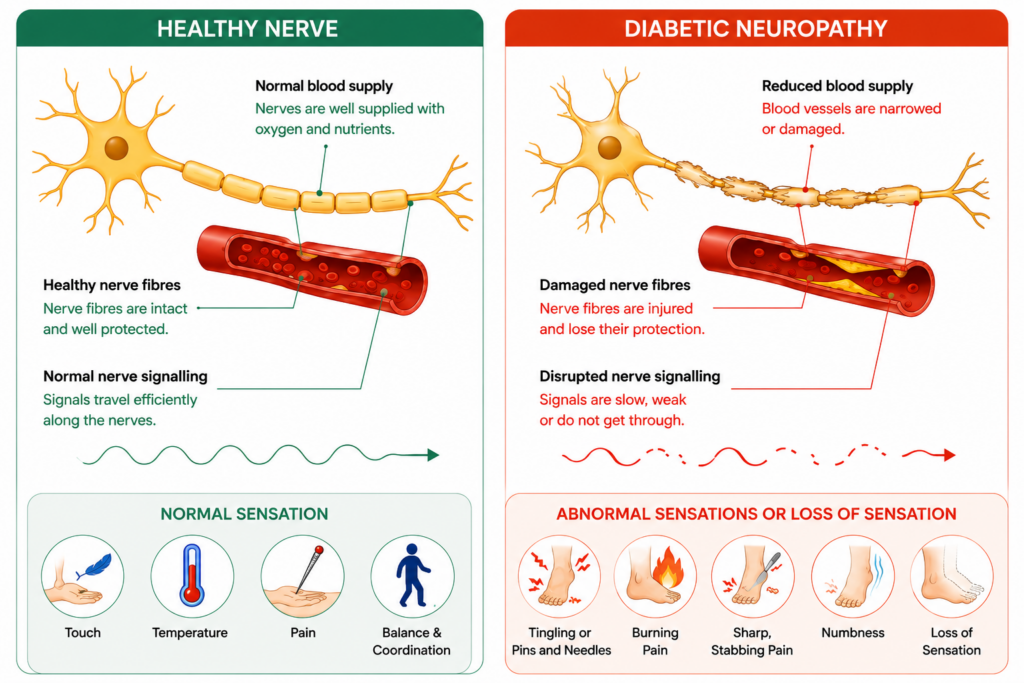
Illustration comparing a healthy nerve with diabetic neuropathy, highlighting reduced blood supply, nerve damage, disrupted nerve signalling and symptoms including tingling, burning pain, numbness and loss of sensation.
Comparison of a healthy nerve and a nerve affected by diabetic neuropathy, showing how diabetes disrupts nerve function and leads to abnormal sensations.

Diabetic neuropathy is a type of nerve damage caused by diabetes. Persistently elevated blood glucose levels, together with other metabolic changes associated with diabetes, can gradually damage the nerves and the small blood vessels that supply them with oxygen and nutrients [1]. Although diabetic neuropathy can affect nerves throughout the body, the most common form, peripheral diabetic neuropathy, primarily affects the feet and legs before potentially progressing to the hands.

Unlike the temporary “pins and needles” that occur after sitting in one position for too long, diabetic neuropathy results from ongoing nerve damage. Without appropriate diabetes management, the condition can progress over time, leading to persistent pain, numbness, loss of sensation and an increased risk of foot injuries and other complications.

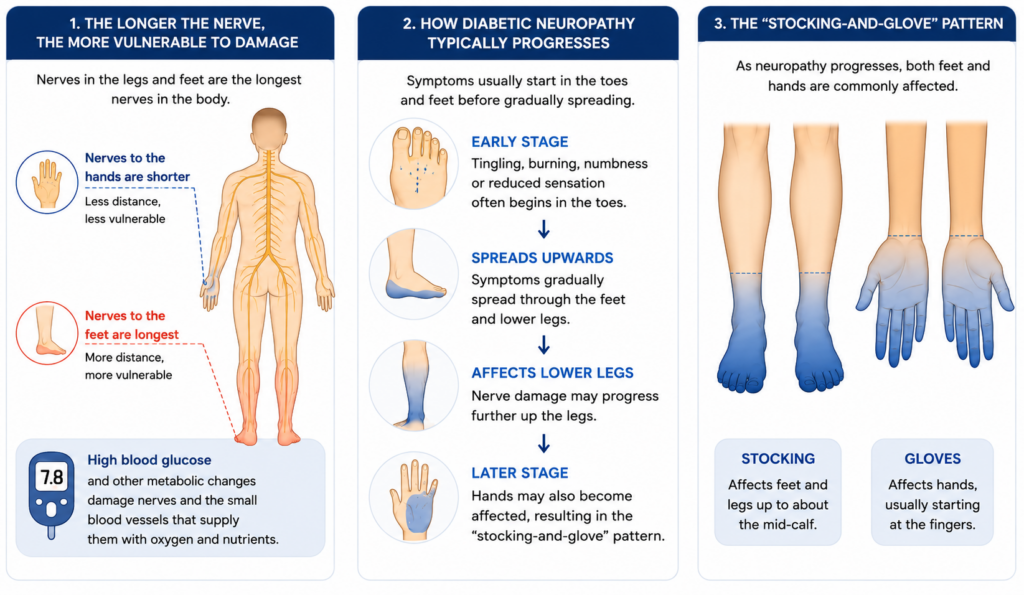
Infographic showing why diabetic neuropathy affects the feet first and how symptoms progress in a stocking-and-glove pattern.
Diabetic neuropathy usually begins in the feet because the longest nerves are most vulnerable to diabetes-related nerve damage.

Why are feet usually affected first?

Diabetic neuropathy usually affects the feet first because the nerves supplying the feet are the longest in the body. Longer nerves are generally more vulnerable to damage caused by persistently elevated blood glucose and other metabolic changes associated with diabetes. As a result, symptoms often begin in the toes before gradually spreading upwards through the feet and lower legs. As nerve damage progresses, the hands may also become affected, resulting in the characteristic "stocking-and-glove" pattern of diabetic peripheral neuropathy.

Signs and symptoms of diabetic neuropathy

The symptoms of diabetic neuropathy vary from person to person and often develop gradually over months or years. In the early stages, some people may notice only occasional tingling or mild numbness, while others experience burning discomfort or increased sensitivity. As nerve damage progresses, symptoms may become more frequent and begin to interfere with daily activities, sleep and mobility.

Common symptoms of diabetic peripheral neuropathy include:

Because sensation is reduced, many people may not notice cuts, blisters or burns on their feet until they become infected. This is why recognising the symptoms of diabetic neuropathy early and seeking timely medical evaluation is essential to prevent more serious complications. Those with diabetes neuropathy must do daily self-checks of their feet to pick up trauma early and prevent progression to a diabetes foot infection.

Types of diabetic neuropathy

Diabetic neuropathy can affect different nerves throughout the body, depending on which nerves have been damaged. The four main types include:

TypeCommonly affectsSymptoms
PeripheralFeet, legs, handsTingling, numbness, burning pain
AutonomicInternal organsDigestive, bladder, heart rate or sweating problems
ProximalHip, thigh, buttocksPain and muscle weakness
FocalSingle nerveSudden weakness or pain in one area

Peripheral diabetic neuropathy is by far the most common type and is responsible for the tingling, numbness and burning sensations experienced by many people with diabetes.

Could tingling or numbness be caused by something else?

Although diabetic neuropathy is one of the most common causes of tingling and numbness in people with diabetes, these symptoms are not always caused by nerve damage related to diabetes. Several other medical conditions can produce similar symptoms and may require different treatment.

Possible causes include:

Because the causes of tingling and numbness can overlap, a medical assessment is important to identify the underlying condition and determine the most appropriate treatment. Your doctor may recommend blood tests or other investigations to rule out alternative causes before confirming a diagnosis of diabetic neuropathy.

When should tingling or numbness be checked by a doctor?

Persistent tingling, numbness or burning sensations should never be ignored, especially if you have diabetes. Early medical evaluation can help identify whether your symptoms are due to diabetic neuropathy or another underlying condition and allows appropriate treatment to begin before complications develop.

You should arrange a medical assessment if your symptoms:

Seek prompt medical attention if you experience:

Sudden numbness or weakness should not be assumed to be diabetic neuropathy, as it may indicate another serious medical condition requiring urgent assessment, such as a stroke. Prompt medical attention is essential in these situations.

How is diabetic neuropathy diagnosed?

There is no single test that confirms diabetic neuropathy. Instead, the diagnosis is based on a combination of your symptoms, medical history and physical examination. Your doctor will assess the pattern and progression of your symptoms while looking for signs of nerve damage and excluding other possible causes of tingling or numbness.

During the assessment, your doctor may evaluate:

Depending on your symptoms, your doctor may recommend one or more of the following tests:

Not everyone requires specialised nerve tests. In many cases, a typical history and physical examination provide sufficient information to diagnose diabetic peripheral neuropathy and guide treatment.

How is Diabetic Neuropathy Treated?

Treatment focuses on slowing the progression of nerve damage, relieving symptoms and reducing the risk of complications such as foot ulcers and infections. The most appropriate treatment plan varies from person to person and is tailored to the severity of symptoms, overall health and diabetes control.

Maintaining good diabetes control is one of the most important ways to slow the progression of diabetic neuropathy. Instead of aiming for rapid or extreme reductions in blood glucose, treatment focuses on achieving personalised targets safely and consistently under medical supervision.

A comprehensive management plan may include:

For people experiencing neuropathic pain, doctors may also recommend medications specifically designed to relieve nerve pain, alongside regular foot care and monitoring to reduce the risk of complications.

Neuropathic pain differs from pain caused by muscle or joint injuries and often does not respond well to conventional painkillers. Instead, doctors may prescribe medications that target abnormal nerve signalling to help relieve burning, tingling or shooting pain. The most appropriate treatment depends on your symptoms, overall health and individual treatment goals.

Can diabetic neuropathy be prevented?

How to Prevent Diabetic Neuropathy Singapore
Continuous glucose monitoring, together with a healthy diet and lifestyle, helps maintain stable blood glucose levels, reducing the risk of nerve damage and slowing the progression of diabetic neuropathy.

Diabetic neuropathy cannot always be prevented, but maintaining good diabetes control and addressing other risk factors can significantly reduce the likelihood of developing nerve damage or slow its progression. Regular monitoring is especially important because neuropathy may develop gradually before symptoms become noticeable.

Measures that may help reduce the risk include:

Seeking medical advice promptly if new symptoms such as tingling, numbness or burning sensations develop

Early detection and proactive diabetes management remain the most effective strategies for protecting nerve health and preventing long-term complications.

Schedule a consultation

Tingling, numbness or burning sensations should never be dismissed as a normal part of ageing or simply “poor circulation,” especially if you have diabetes. While these symptoms are commonly associated with diabetic neuropathy, they can also result from other underlying conditions that require medical evaluation. 

Managing diabetic neuropathy goes beyond relieving nerve pain. It requires a comprehensive approach that includes optimising blood glucose control, addressing cardiovascular risk factors, practising good foot care and attending regular diabetes reviews. With appropriate treatment and ongoing monitoring, many people can successfully manage their symptoms and protect their long-term nerve health.

If you are experiencing persistent tingling, numbness, burning sensations or nerve pain, consider scheduling a consultation with The Metabolic Clinic for a comprehensive assessment, personalised diabetes management and early screening for diabetic neuropathy.

Frequently Asked Questions (FAQs)

Yes. Although less common than in diabetes, some people with prediabetes can develop nerve damage, particularly affecting the small nerve fibres. Persistent tingling or burning sensations should be assessed by a healthcare professional rather than ignored.

No. Some people experience burning or shooting pain, while others have little or no pain despite significant nerve damage. In many cases, numbness and loss of sensation may be the only symptoms.

Yes. Diabetic neuropathy often develops gradually, and early nerve damage may not cause noticeable symptoms. This is why regular foot examinations and neuropathy screening are recommended for people with diabetes.

The exact reason is not fully understood, but reduced distractions, changes in body temperature and alterations in nerve signalling during the night may make neuropathic pain feel more noticeable, often disrupting sleep.

Not always. Established nerve damage may not be completely reversible, but achieving and maintaining good blood glucose control can help slow further progression and may improve symptoms in some people.

Yes. Persistent tingling, numbness or burning sensations should be assessed promptly. A diabetes specialist can determine whether your symptoms are caused by diabetic neuropathy or another condition and recommend an appropriate management plan.

Yes. Without appropriate diabetes management, diabetic neuropathy can gradually progress, leading to worsening pain, numbness and loss of sensation. Maintaining good blood glucose control and addressing other risk factors can help slow its progression.

Usually not. Diabetic peripheral neuropathy typically affects both feet in a symmetrical "stocking" pattern. Symptoms affecting only one foot may suggest another condition, such as a trapped nerve or local nerve injury, and should be medically assessed.

No. Although diabetic neuropathy is a common complication of diabetes, not everyone develops it. The risk increases with longer diabetes duration and persistently elevated blood glucose levels, but good diabetes management can help reduce the likelihood of nerve damage.

References

  1. Yang, Y., Zhao, B., Wang, Y., Lan, H., Liu, X., Hu, Y., & Cao, P. (2025). Diabetic neuropathy: Cutting-edge research and future directions. Signal Transduction and Targeted Therapy, 10, 132. https://doi.org/10.1038/s41392-025-02175-1 
  2.  Bodman, M. A., Dreyer, M. A., & Varacallo, M. A. (2026). Diabetic peripheral neuropathy. In StatPearls. StatPearls Publishing. http://www.ncbi.nlm.nih.gov/books/NBK442009/ 
  3. Pop-Busui, R., Ang, L., Boulton, A. J. M., Feldman, E. L., Marcus, R. L., Mizokami-Stout, K., Singleton, J. R., & Ziegler, D. (2022). Diagnosis and treatment of painful diabetic peripheral neuropathy. American Diabetes Association. http://www.ncbi.nlm.nih.gov/books/NBK580224/ 
  4. What is diabetic neuropathy? - Niddk. (n.d.). National Institute of Diabetes and Digestive and Kidney Diseases. Retrieved July 16, 2026, from https://www.niddk.nih.gov/health-information/diabetes/overview/preventing-problems/nerve-damage-diabetic-neuropathies/what-is-diabetic-neuropathy 
  5. Lee, J.-E., & Won, J. C. (2025). Clinical phenotypes of diabetic peripheral neuropathy: Implications for phenotypic-based therapeutics strategies. Diabetes & Metabolism Journal, 49(4), 542–564. https://doi.org/10.4093/dmj.2025.0299 
  6. Autonomic neuropathy—Niddk. National Institute of Diabetes and Digestive and Kidney Diseases. Retrieved July 16, 2026, from https://www.niddk.nih.gov/health-information/diabetes/overview/preventing-problems/nerve-damage-diabetic-neuropathies/autonomic-neuropathy  
  7. Proximal neuropathy—Niddk. National Institute of Diabetes and Digestive and Kidney Diseases. Retrieved July 16, 2026, from https://www.niddk.nih.gov/health-information/diabetes/overview/preventing-problems/nerve-damage-diabetic-neuropathies/proximal-neuropathy 
  8. Focal neuropathies—Niddk. National Institute of Diabetes and Digestive and Kidney Diseases. Retrieved July 16, 2026, from https://www.niddk.nih.gov/health-information/diabetes/overview/preventing-problems/nerve-damage-diabetic-neuropathies/focal-neuropathies 
  9. Armstrong, D. G., Bley, K., Simpson, D. M., Staats, P., Allen, S., Carnevale, A., & Marcondes, L. (2025). Diabetic peripheral neuropathy: Pathophysiology and new insights into the mechanism of action of high-concentration topical capsaicin. Journal of Experimental Pharmacology, 17, 651–665. https://doi.org/10.2147/JEP.S526968 
  10. Never Damage. Diabetes. Centre for Disease Control and Prevention. https://www.cdc.gov/diabetes/diabetes-complications/diabetes-and-nerve-damage.html 
  11. Sevy, J. O., Sina, R. E., & Varacallo, M. A. (2026). Carpal tunnel syndrome. In StatPearls. StatPearls Publishing. http://www.ncbi.nlm.nih.gov/books/NBK448179/ 
  12. Al Zoubi, M. S., Al Kreasha, R., Aqel, S., Saeed, A., Al-Qudimat, A. R., & Al-Zoubi, R. M. (2024). Vitamin B12 deficiency in diabetic patients treated with metformin: A narrative review. Irish Journal of Medical Science, 193(4), 1827–1835. https://doi.org/10.1007/s11845-024-03634-4 
  13. Dros, J., Wewerinke, A., Bindels, P. J., & van Weert, H. C. (2009). Accuracy of monofilament testing to diagnose peripheral neuropathy: A systematic review. Annals of Family Medicine, 7(6), 555–558. https://doi.org/10.1370/afm.1016 
  14. Yang, Z., Zhang, Y., Chen, R., Huang, Y., Ji, L., Sun, F., Hong, T., & Zhan, S. (2018). Simple tests to screen for diabetic peripheral neuropathy. The Cochrane Database of Systematic Reviews, 2018(7), CD010975. https://doi.org/10.1002/14651858.CD010975.pub2 

Cardiorenal Metabolic Syndrome: How Heart, Kidney and Metabolic Health Are Linked

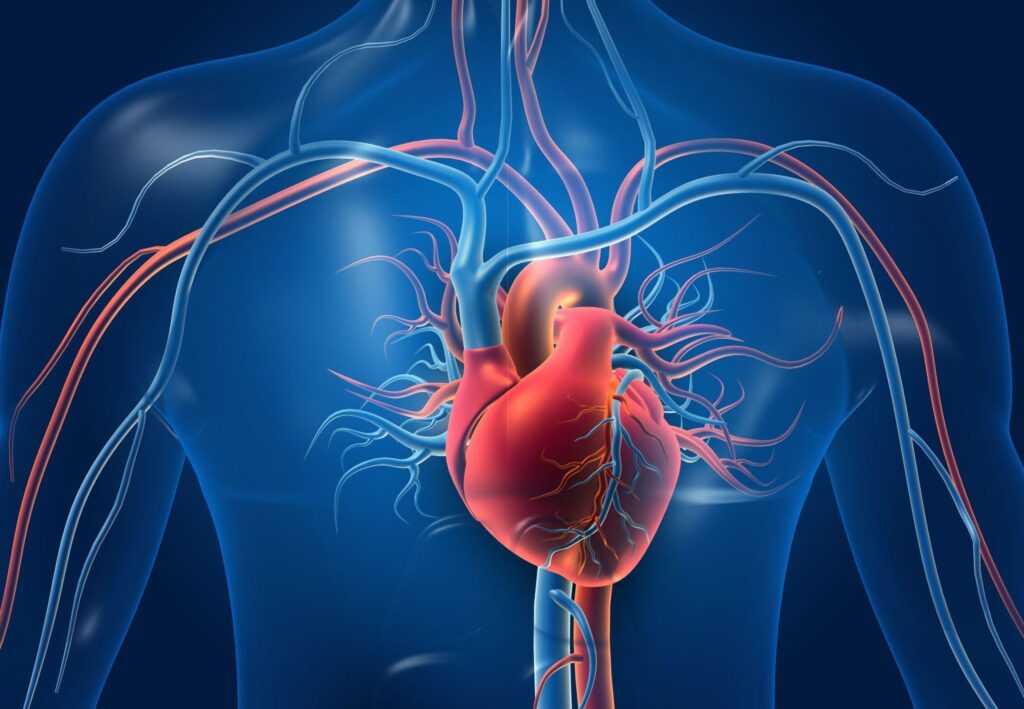
Cardiovascular System and Metabolic Health Singapore
The heart, kidneys and metabolic system work closely together, with dysfunction in one system often affecting the others and increasing the risk of chronic disease.

What if heart disease, kidney disease and diabetes weren’t separate diseases at all?

For decades, these conditions have been treated independently. But research now shows they are closely interconnected. Problems that begin with excess body fat or insulin resistance can gradually affect the kidneys, while declining kidney function can place additional strain on the heart. Rather than existing in isolation, each condition can fuel the progression of the others.

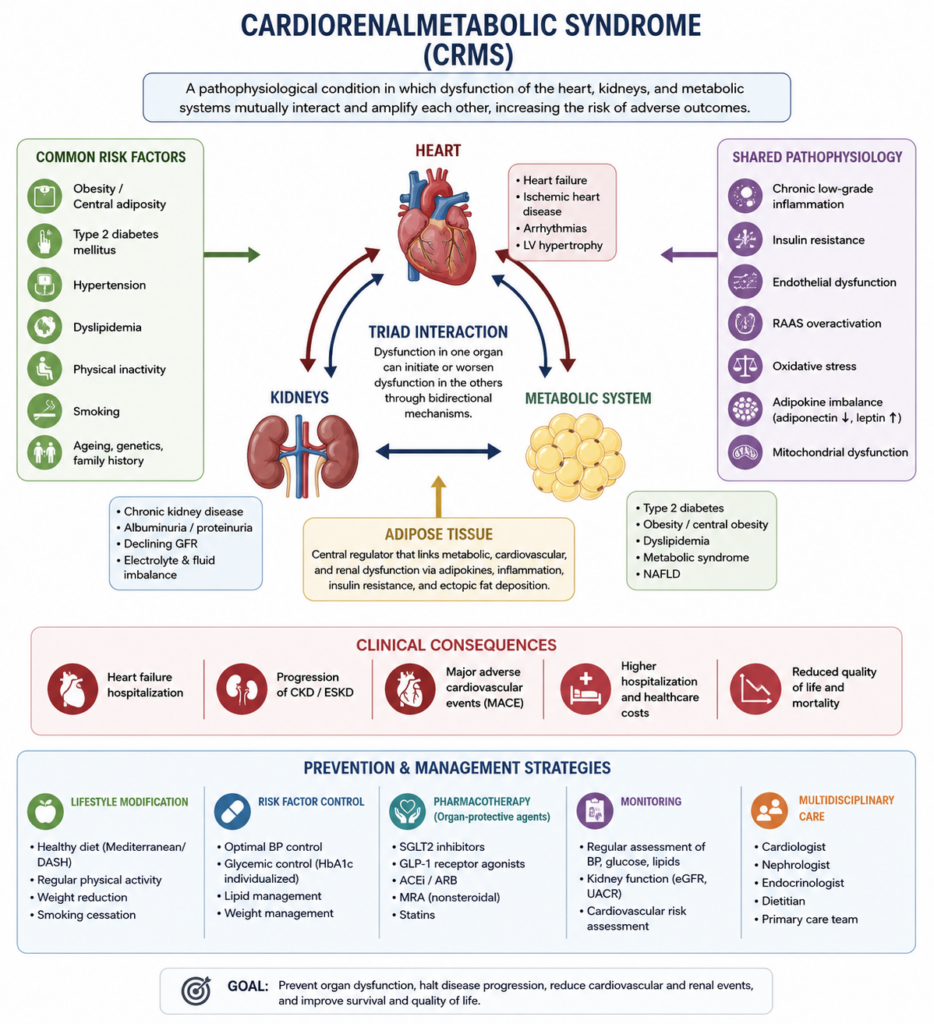
This concept is known as Cardiorenal Metabolic Syndrome (CKM Syndrome), a framework that recognises the heart, kidneys and metabolic system as part of one interconnected network. Understanding this relationship allows doctors to identify risk earlier, intervene sooner and reduce the likelihood of serious complications such as heart attack, stroke, heart failure and chronic kidney disease.

In this article, we'll explain what Cardiorenal Metabolic Syndrome is, why it matters and how protecting one organ often means protecting them all.

Cardiorenal Metabolic Syndrome at a Glance

What is it?A framework that recognises the close relationship between the heart, kidneys and metabolic system, where dysfunction in one can affect the others.
Common risk factorsObesity, insulin resistance, prediabetes, type 2 diabetes, high blood pressure, abnormal cholesterol and chronic kidney disease.
Potential complicationsHeart attack, stroke, heart failure, chronic kidney disease and other cardiovascular complications.
Early warning signsIncreasing waist circumference, elevated blood pressure, rising blood sugar, abnormal cholesterol, protein in the urine and declining kidney function.
Can it be prevented?In many cases, yes. Early identification of risk factors, healthy lifestyle changes and appropriate medical treatment can slow or prevent disease progression.
Who should be assessed?Individuals with obesity, diabetes, hypertension, chronic kidney disease or multiple cardiometabolic risk factors.

What is cardiorenal metabolic syndrome?

Cardiorenal Metabolic Syndrome Singapore
Cardiorenal Metabolic Syndrome is a condition that links metabolic dysfunction, kidney disease and cardiovascular disease through shared risk factors and interconnected biological processes.

Cardiorenal Metabolic Syndrome (CKM Syndrome) [1], also known as Cardiovascular-Kidney-Metabolic Syndrome, is a term used to describe the close relationship between cardiovascular disease, kidney disease and metabolic disorders such as obesity, insulin resistance and type 2 diabetes. It reflects the understanding that these conditions are not isolated health problems but are interconnected through shared risk factors and biological processes.

Traditionally, heart disease, kidney disease and metabolic disorders have been managed as separate conditions. However, growing evidence has shown that dysfunction in one area often affects the others [2]. For example, obesity and insulin resistance can increase the risk of high blood pressure and type 2 diabetes, both of which can damage the heart and kidneys over time [3]. Similarly, kidney disease can increase cardiovascular risk [4], while heart disease can contribute to declining kidney function [5]. These interactions have prompted a more integrated approach to understanding and managing chronic disease.

Cardiorenal Metabolic Syndrome places emphasis on identifying and addressing risk factors early, before significant organ damage occurs. By recognising the links between metabolic, cardiovascular and kidney health, healthcare professionals can take a more comprehensive approach to prevention, risk assessment and treatment.

How are the heart, kidneys and metabolic system connected?

Cardiorenal Metabolic Syndrome develops because the heart, kidneys and metabolic system constantly influence one another. Changes affecting one system can trigger a chain reaction that impacts the others, creating a cycle of progressive disease.

ConnectionWhat happens?Why it matters
Metabolic System → HeartExcess body fat, insulin resistance and elevated blood sugar promote chronic inflammation, endothelial dysfunction and damage to blood vessels.Increases the risk of high blood pressure, atherosclerosis, coronary artery disease and heart failure.
Metabolic System → KidneysElevated blood sugar damages the small blood vessels in the kidneys, while obesity, insulin resistance and hypertension place additional strain on kidney function.Increases the risk of chronic kidney disease (CKD) and reduces the kidneys' ability to filter waste effectively.
Kidneys → HeartDeclining kidney function causes fluid retention, hormonal imbalances and elevated blood pressure.Places extra strain on the heart, increasing the risk of heart failure and other cardiovascular complications.
Heart → KidneysHeart disease can reduce blood flow to the kidneys, limiting the oxygen and nutrients they receive.Can accelerate kidney damage and contribute to worsening kidney function.
The Cardiorenal ConnectionHeart disease and kidney disease have a bidirectional relationship, meaning dysfunction in one organ can worsen the other.Creates a cycle where cardiovascular and kidney disease progressively reinforce one another, increasing the risk of serious complications.

Early warning signs to look out for

One of the challenges of Cardiorenal Metabolic Syndrome is that it often develops gradually and may not cause obvious symptoms in its early stages. In many cases, the first signs are detected through routine health screenings rather than physical symptoms.

Potential early warning signs include:

As the condition progresses, some individuals may develop symptoms related to cardiovascular or kidney disease, including swelling in the ankles, shortness of breath, chest discomfort or changes in urinary habits. However, many people remain symptom-free until significant disease has already developed, highlighting the importance of regular health screening.

The stages of cardiorenal metabolic syndrome

Signs of Cardiorenal Metabolic Syndrome Singapore
An increasing waist circumference or central weight gain may be an early sign of excess visceral fat, a key driver of Cardiorenal Metabolic Syndrome and its associated cardiovascular, kidney and metabolic risks.

Cardiorenal Metabolic Syndrome develops along a continuum rather than appearing suddenly. To help identify risk earlier and guide preventive care, the American Heart Association (AHA) has proposed a staging system that reflects the progression from optimal health to established cardiovascular disease [21].

Stage 0: Optimal HealthStage 0 refers to individuals with healthy cardiovascular, kidney and metabolic function. There are no significant risk factors, and measures such as body weight, blood pressure, blood sugar and kidney function remain within healthy ranges.
Stage 1: Excess or Dysfunctional Body FatAt this stage, excess body fat, particularly abdominal or visceral fat, begins to affect metabolic health. Although significant disease may not yet be present, changes in body composition can increase the risk of future insulin resistance, hypertension and cardiovascular disease.
Stage 2: Metabolic Risk Factors or Early Kidney DiseaseStage 2 is characterised by the presence of one or more metabolic risk factors, such as elevated blood pressure, abnormal cholesterol levels, prediabetes, type 2 diabetes or evidence of early kidney dysfunction. This stage often represents an important opportunity for intervention before significant organ damage occurs.
Stage 3: Increased Cardiovascular RiskIndividuals in Stage 3 have developed a higher likelihood of cardiovascular disease due to the cumulative effects of metabolic and kidney-related risk factors. Structural or functional changes affecting the heart and blood vessels may already be present, even if symptoms have not yet developed.
Stage 4: Established Cardiovascular DiseaseStage 4 involves clinically recognised cardiovascular disease, such as coronary artery disease, heart attack, stroke, heart failure or peripheral arterial disease. At this stage, comprehensive management is essential to reduce complications and improve long-term outcomes.

Importantly, progression through these stages is not inevitable. Early identification of risk factors and appropriate intervention can slow disease progression and, in some cases, prevent advancement to more severe stages.

How is cardiorenal metabolic syndrome diagnosed?

There is no single test that confirms Cardiorenal Metabolic Syndrome. Diagnosis involves evaluating multiple aspects of cardiovascular, kidney and metabolic health to identify risk factors and determine the extent of disease.

How is cardiorenal metabolic syndrome treated?

Treatment aims to reduce overall disease risk by addressing cardiovascular, kidney and metabolic health simultaneously. Management plans are tailored to the individual's health profile and risk factors.

When should you visit an Endocrinologist?

Consider seeing an endocrinologist if you have one or more risk factors for Cardiorenal Metabolic Syndrome, particularly if lifestyle changes alone have not been enough to improve your health. Early assessment can help identify metabolic abnormalities before they progress to cardiovascular or kidney disease.

You should consider scheduling an appointment if you:

Early intervention may help slow disease progression, reduce the risk of long-term complications and support better heart, kidney and metabolic health.

Summary

Cardiorenal Metabolic Syndrome recognises that the heart, kidneys and metabolic system are closely interconnected. Risk factors such as obesity, insulin resistance, high blood pressure and abnormal cholesterol can affect multiple organ systems simultaneously, increasing the likelihood of heart disease, chronic kidney disease and other long-term complications. Early identification and management can help slow disease progression and improve long-term health outcomes.

If you have concerns about your weight, blood sugar, blood pressure, cholesterol or kidney health, or have multiple cardiometabolic risk factors, consider booking a consultation with the team at The Metabolic Clinic. A personalised assessment can help identify your risk factors and develop a tailored management plan to support your long-term cardiovascular, kidney and metabolic health.

References 

  1. Singh, A., Kesani, H., Verma, S., Saleh, T. M., & Rai, M. (n.d.). Cardio-renal metabolic syndrome: An integrated approach to prevention and management. Cureus, 17(10), e94134. https://doi.org/10.7759/cureus.94134 
  2. Tanasescu, M.-D., Rosu, A.-M., Minca, A., Rosu, A.-L., Grigorie, M.-M., Timofte, D., & Ionescu, D. (2026). Metabolic dysfunction at the core: Revisiting the overlap of cardiovascular, renal, hepatic, and endocrine disorders. Life, 16(1), 172. https://doi.org/10.3390/life16010172 
  3. Wondmkun, Y. T. (2020). Obesity, insulin resistance, and type 2 diabetes: Associations and therapeutic implications. Diabetes, Metabolic Syndrome and Obesity: Targets and Therapy, 13, 3611–3616. https://doi.org/10.2147/DMSO.S275898 
  4. Said, S., & Hernandez, G. T. (2014). The link between chronic kidney disease and cardiovascular disease. Journal of Nephropathology, 3(3), 99–104. https://doi.org/10.12860/jnp.2014.19 
  5. Heart disease & kidney disease—Niddk. National Institute of Diabetes and Digestive and Kidney Diseases. Retrieved June 25, 2026, from https://www.niddk.nih.gov/health-information/kidney-disease/heart-disease  
  6. Choo, Y. N., Ravi, R. N., & Subramaniyan, V. (2026). Insulin resistance induced by obesity: Mechanisms, metabolic implications and therapeutic approaches. Molecular Biology Reports, 53(1), 357. https://doi.org/10.1007/s11033-026-11509-3 
  7. Jha, R., Lopez-Trevino, S., Kankanamalage, H. R., & Jha, J. C. (2024). Diabetes and renal complications: An overview on pathophysiology, biomarkers and therapeutic interventions. Biomedicines, 12(5), 1098. https://doi.org/10.3390/biomedicines12051098 
  8. Hall, M. E., do Carmo, J. M., da Silva, A. A., Juncos, L. A., Wang, Z., & Hall, J. E. (2014). Obesity, hypertension, and chronic kidney disease. International Journal of Nephrology and Renovascular Disease, 7, 75–88. https://doi.org/10.2147/IJNRD.S39739 
  9. Heart and kidney disease: Connection, causes, symptoms, and treatment options | national kidney foundation. Retrieved June 25, 2026, from https://www.kidney.org/kidney-topics/heart-and-kidney-connection 
  10. CDC. (2025, August 13). Chronic kidney disease, diabetes, and heart disease. Chronic Kidney Disease. https://www.cdc.gov/kidney-disease/risk-factors/link-between-diabetes-and-heart-disease.html 
  11. Wang, Z., & Nakayama, T. (2010). Inflammation, a link between obesity and cardiovascular disease. Mediators of Inflammation, 2010, 535918. https://doi.org/10.1155/2010/535918 
  12. Health threats from high blood pressure. Www.Heart.Org. Retrieved June 25, 2026, from https://www.heart.org/en/health-topics/high-blood-pressure/health-threats-from-high-blood-pressure  
  13. Pappan, N., Awosika, A. O., & Rehman, A. (2026). Dyslipidemia. In StatPearls. StatPearls Publishing. http://www.ncbi.nlm.nih.gov/books/NBK560891/ 
  14. Chronic kidney disease (Ckd)—Symptoms, causes, treatment | National Kidney Foundation. (Retrieved June 25, 2026, from https://www.kidney.org/kidney-topics/chronic-kidney-disease-ckd 
  15. Health risks of overweight & obesity. National Institute of Diabetes and Digestive and Kidney Diseases. Retrieved June 25, 2026, from https://www.niddk.nih.gov/health-information/weight-management/adult-overweight-obesity/health-risks 
  16. Xing, Y., Yang, X., & Zhao, Q. (n.d.). The association between family history of hypertension and diabetic kidney disease in patients with diabetes: A cross-sectional study. Frontiers in Endocrinology, 17, 1774744. https://doi.org/10.3389/fendo.2026.1774744 
  17. Zhang, J., Huang, H., Lin, Z., Dong, J., Zhang, X., Gao, J., Liu, Y., Li, C., & Cui, Z. (2025). Associations between cardiovascular-kidney-metabolic syndrome and disability in activities of daily living: A nationwide longitudinal study among the middle-aged and older adults in China. Frontiers in Public Health, 12, 1480576. https://doi.org/10.3389/fpubh.2024.1480576 
  18. Godoy-Matos, A. F., Valério, C. M., Júnior, W. S. S., de Araujo-Neto, J. M., Sposito, A. C., & Suassuna, J. H. R. (2025). CARDIAL-MS (Cardio-renal-diabetes-liver-metabolic syndrome): A new proposition for an integrated multisystem metabolic disease. Diabetology & Metabolic Syndrome, 17, 218. https://doi.org/10.1186/s13098-025-01796-4 
  19. Alhindal, M., Janahi, J., D’Angelo, E. C., Lisignoli, V., Palmieri, R., Cutrì, A., Butera, G., Gatzoulis, M. A., & Montanaro, C. (2025). Impact of smoking on cardiovascular health: Mechanisms, epidemiology and specific concerns regarding congenital heart disease. International Journal of Cardiology Congenital Heart Disease, 20, 100581. https://doi.org/10.1016/j.ijcchd.2025.100581 
  20. Jean-Louis, G., Zizi, F., Clark, L. T., Brown, C. D., & McFarlane, S. I. (2008). Obstructive sleep apnea and cardiovascular disease: Role of the metabolic syndrome and its components. Journal of Clinical Sleep Medicine : JCSM : Official Publication of the American Academy of Sleep Medicine, 4(3), 261–272. https://www.ncbi.nlm.nih.gov/pmc/articles/PMC2546461/ 
  21.  Lassen, M. C. H., Ostrominski, J. W., Claggett, B. L., Ndumele, C. E., Biering-Sørensen, T., Matsushita, K., Selvin, E., Coresh, J., Shah, A., Solomon, S. D., & Vaduganathan, M. (2026). Cardiovascular–kidney–metabolic syndrome stages, echocardiographic characteristics, and heart failure risk: The atherosclerosis risk in communities study. Circulation, 153(17), 1268–1280. https://doi.org/10.1161/CIRCULATIONAHA.125.077894 

A short-term monitoring method that’s driving habit change for Singapore’s diabetics

Diabetic Nephropathy: When High Blood Sugar Damages the Kidneys

Diabetic Nephropathy Singapore
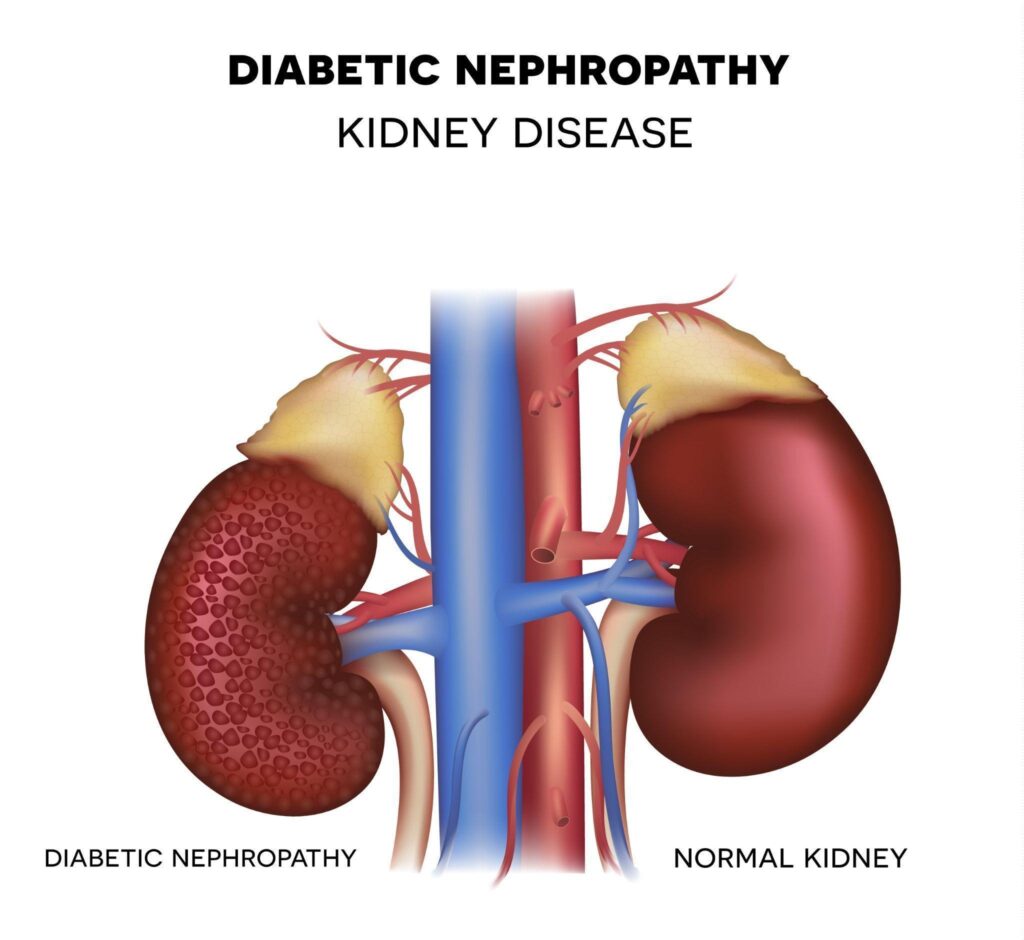
Diabetic nephropathy is a diabetes-related condition in which prolonged high blood sugar damages the kidneys’ filtering function over time.

Diabetic nephropathy is one of the most significant long-term complications of diabetes, yet it often develops without clear warning in its early stages. Persistently high blood sugar places ongoing stress on the small blood vessels within the kidneys, gradually affecting their ability to filter waste and maintain the body’s internal balance. This process unfolds slowly, and for many individuals, it begins long before any symptoms become apparent.

Because early kidney damage does not usually cause pain or noticeable changes, it is frequently detected only through routine screening instead of clinical symptoms. As the condition progresses, signs such as swelling, fatigue or changes in urination may start to appear, reflecting a decline in kidney function.

What is diabetic nephropathy and how does it affect the kidneys?

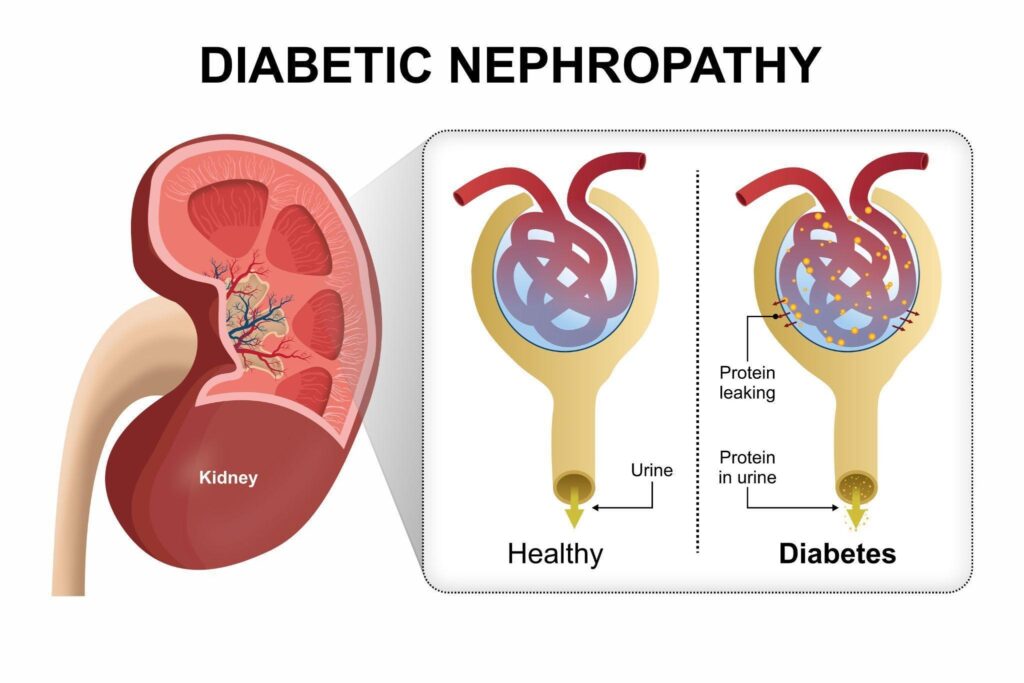
The kidneys play a vital role in keeping the body in balance. They filter waste products and excess fluid from the blood, regulate electrolytes and help control blood pressure. This work is carried out by millions of tiny filtering units called glomeruli, which act as fine sieves, allowing waste to pass into the urine while retaining essential proteins and cells in the bloodstream [1].

Diabetic nephropathy develops when persistently high blood sugar begins to affect these delicate structures [2]. Over time, elevated glucose levels damage the small blood vessels within the glomeruli, making them less efficient and more permeable than they should be. As a result, important proteins, particularly albumin, start to leak into the urine, a change that is often one of the earliest detectable signs of kidney involvement in diabetes [3]. A urine albumin check is essential in diabetes monitoring for this reason.

As this damage progresses, the kidneys gradually lose their ability to filter waste effectively. Waste products can begin to build up in the blood, and the body’s fluid balance may be disrupted. Without timely management, this can lead to a steady decline in kidney function, increasing the risk of chronic kidney disease and, in advanced cases, kidney failure.

How Does High Blood Sugar Damage the Kidneys Singapore
Diabetic nephropathy damages the kidney’s filtering units, causing them to leak protein into the urine and gradually lose their ability to filter waste effectively.

How does high blood sugar damage the kidneys over time?

High blood sugar does not damage the kidneys all at once. The effect builds gradually, as sustained glucose levels begin to alter how the kidneys function at a microscopic level. Over time, this ongoing strain disrupts normal filtration and places pressure on the kidney’s delicate structures, leading to progressive changes that can affect overall kidney health [4].

What are the early signs of diabetic kidney disease?

Diabetic kidney disease often develops quietly, especially in the early stages. Changes tend to begin at a microscopic level, which means there may be no obvious symptoms initially. This is why routine screening plays an important role in identifying early signs before noticeable complications arise.

Symptoms of Diabetic Nephropathy Singapore
Diabetic nephropathy may cause mild swelling in the hands or feet due to fluid retention as kidney function begins to decline.

What are the stages of diabetic nephropathy?

Diabetic nephropathy progresses through several stages, with each stage reflecting increasing levels of kidney involvement and declining function. Doctor’s will classify this differently and it will be based on EGFR (kidney blood test) as well as protein leakage (Using something called the KDIGO guidelines) but the unofficial stages below serve as a way to understand worsening kidney function and what happens. 

Why is diabetic nephropathy often diagnosed late?

Diabetic nephropathy is often diagnosed at a later stage because its early course does not usually produce noticeable symptoms. The initial changes in kidney function develop gradually and remain clinically silent, which means there is little to prompt concern or medical evaluation based on how a person feels.

Another contributing factor is the absence of routine screening. Early indicators, such as small amounts of protein in the urine, can only be detected through specific tests. Without regular monitoring, these changes may go unnoticed for years, particularly in individuals who do not undergo consistent follow-up for diabetes.

By the time symptoms begin to appear, the condition has often progressed. Signs such as swelling, fatigue or changes in urination tend to reflect more advanced involvement, when kidney function has already been affected. 

When should you see an endocrinologist in Singapore?

It is important to seek specialist care when there are concerns about diabetes control or possible kidney involvement. An endocrinologist can carry out a detailed assessment, review your current treatment and monitor for early complications that may not yet be clinically obvious.

Persistent difficulty in controlling blood sugar levels, even with medication, is one of the most common reasons for referral. Abnormal findings on urine or blood tests, such as protein in the urine or a reduced eGFR, also require further evaluation. In addition, symptoms like swelling or unexplained fatigue may reflect changes in kidney function. Individuals with long-standing diabetes benefit from regular specialist review, as the risk of complications increases over time.

How is diabetic nephropathy diagnosed?

Diabetic nephropathy is usually identified through a combination of laboratory tests and clinical assessment, often before symptoms become apparent. These tests help detect early changes in kidney function and monitor progression over time.

Can diabetic nephropathy be reversed or slowed down?

Diabetic nephropathy is not usually reversible once structural damage to the kidneys has developed. However, the course of the condition is not fixed, and progression/deterioration can often be slowed with timely and consistent management. Identifying changes at an early stage is particularly important, as intervention at this point can help preserve kidney function and delay further deterioration.

Strict blood sugar control remains central to this approach, as persistently elevated glucose levels continue to drive kidney damage. Alongside this, regular monitoring and appropriate medical care allow for adjustments in treatment based on how the condition is evolving. With a structured and proactive approach, many individuals are able to maintain stable kidney function for extended periods and reduce the likelihood of progression to advanced stages.

What treatments help protect kidney function?

Protecting kidney function in diabetic nephropathy requires a combination of medical treatment and ongoing disease management. The aim is to reduce stress on the kidneys, control contributing factors and slow further decline.

What lifestyle changes can help protect your kidneys?

Lifestyle measures play an important role in supporting kidney health alongside medical treatment. Consistent, well-managed habits can reduce the overall burden on the kidneys and help stabilise blood sugar and blood pressure over time.

What happens If diabetic nephropathy is left untreated?

Without appropriate management, diabetic nephropathy tends to progress over time, leading to a gradual but continuous decline in kidney function. The damage to the kidney’s filtering system does not stabilise on its own, and ongoing exposure to high blood sugar and associated factors continues to worsen the condition.

As kidney function declines, the body becomes less effective at removing waste products and excess fluid. This can result in the development of chronic kidney disease, where waste begins to accumulate in the bloodstream and affects overall health. Individuals may start to experience symptoms such as fatigue, swelling and reduced appetite as the condition advances.

In the later stages, kidney function may fall to a level where the kidneys can no longer support the body’s needs. At this point, renal replacement therapy becomes necessary. This may involve dialysis to filter the blood or, in suitable cases, a kidney transplant to restore function.

Summary 

Diabetic nephropathy is a progressive complication of diabetes that develops when persistently high blood sugar begins to affect the kidneys over time. The condition often starts without noticeable symptoms, which makes early detection through routine screening especially important. 

As the disease progresses, subtle changes such as protein in the urine may appear first, followed by a gradual decline in kidney function. If not identified and managed early, this can lead to chronic kidney disease and, in advanced cases, the need for dialysis or transplantation.

A clear understanding of how diabetic nephropathy develops highlights the importance of consistent management. Regular monitoring, good blood sugar control, appropriate medications and supportive lifestyle measures all play a role in slowing progression and protecting kidney function. With timely intervention, many individuals can maintain stable kidney health and reduce the risk of serious complications.

If you have diabetes or concerns about your kidney health, schedule a consultation with The Metabolic Clinic for a personalised assessment and early management plan. With appropriate lifestyle and medication changes, kidney deterioration can be halted.

References 

  1. Your kidneys & how they work—Niddk. National Institute of Diabetes and Digestive and Kidney Diseases. Retrieved May 8, 2026, from https://www.niddk.nih.gov/health-information/kidney-disease/kidneys-how-they-work 
  2. Samsu, N. (2021). Diabetic nephropathy: Challenges in pathogenesis, diagnosis, and treatment. BioMed Research International, 2021, 1497449. https://doi.org/10.1155/2021/1497449 
  3. Dabla, P. K. (2010). Renal function in diabetic nephropathy. World Journal of Diabetes, 1(2), 48–56. https://doi.org/10.4239/wjd.v1.i2.48 
  4. McGrath, K., & Edi, R. (2019). Diabetic kidney disease: Diagnosis, treatment, and prevention. American Family Physician, 99(12), 751–759. 
  5. What is diabetes-related nephropathy? Cleveland Clinic. Retrieved May 8, 2026, from https://my.clevelandclinic.org/health/diseases/24183-diabetic-nephropathy 
  6. Zelmanovitz, T., Gerchman, F., Balthazar, A. P., Thomazelli, F. C., Matos, J. D., & Canani, L. H. (2009). Diabetic nephropathy. Diabetology and Metabolic Syndrome, 1, 10. https://doi.org/10.1186/1758-5996-1-10 
  7. Chida, S., Fujita, Y., Ogawa, A., Hayashi, A., Ichikawa, R., Kamata, Y., Takeuchi, A., Takano, K., & Shichiri, M. (2016). Levels of albuminuria and risk of developing macroalbuminuria in type 2 diabetes: Historical cohort study. Scientific Reports, 6, 26380. https://doi.org/10.1038/srep26380 
  8. Selby, N. M., & Taal, M. W. (2020). An updated overview of diabetic nephropathy: Diagnosis, prognosis, treatment goals and latest guidelines. Diabetes, Obesity & Metabolism, 22 Suppl 1, 3–15. https://doi.org/10.1111/dom.14007 
  9. Huan, L., Yuezhong, L., Chao, W., & HaiTao, T. (2016). The urine albumin-to-creatinine ratio is a reliable indicator for evaluating complications of chronic kidney disease and progression in IgA nephropathy in China. Clinics, 71(5), 243–250. https://doi.org/10.6061/clinics/2016(05)01 
  10. Estimated gfr (Egfr) test: Kidney function levels, stages, and what to do next | national kidney foundation. Retrieved May 8, 2026, from https://www.kidney.org/kidney-topics/estimated-glomerular-filtration-rate-egfr 
  11. Davis, K. N., Hines, A. E., Schaefer, M. C., & Naseman, K. W. (2022). Protecting the kidneys: Update on therapies to treat diabetic nephropathy. Clinical Diabetes : A Publication of the American Diabetes Association, 40(3), 305–311. https://doi.org/10.2337/cd21-0090 
  12. Avula, A., Johal, L. K., Ali, F., Amir, S., Yadav, S., Murtuza, M., Zia, U., Janjua, F. F., Raza, A., Lal, K., Abid, M., & Khan, R. (n.d.). Ace inhibitors and arbs in chronic kidney disease: A systematic review of randomized controlled trials on albuminuria reduction, egfr decline, and safety. Cureus, 17(10), e93707. https://doi.org/10.7759/cureus.93707 
  13. Vivian, E., & Mannebach, C. (2013). Therapeutic approaches to slowing the progression of diabetic nephropathy – is less best? Drugs in Context, 2013, 212249. https://doi.org/10.7573/dic.212249 
  14. Padda, I. S., Mahtani, A. U., & Parmar, M. (2026). Sodium-glucose transport 2 (Sglt2) inhibitors. In StatPearls. StatPearls Publishing. http://www.ncbi.nlm.nih.gov/books/NBK576405/ 
  15. Yau, K., Dharia, A., Alrowiyti, I., & Cherney, D. Z. I. (2022). Prescribing sglt2 inhibitors in patients with ckd: Expanding indications and practical considerations. Kidney International Reports, 7(7), 1463–1476. https://doi.org/10.1016/j.ekir.2022.04.094 
  16. Yu, J. H., Park, S. Y., Lee, D. Y., Kim, N. H., & Seo, J. A. (2022). GLP-1 receptor agonists in diabetic kidney disease: Current evidence and future directions. Kidney Research and Clinical Practice, 41(2), 136–149. https://doi.org/10.23876/j.krcp.22.001 
  17. Kolkhof, P., Lawatscheck, R., Filippatos, G., & Bakris, G. L. (2022). Nonsteroidal mineralocorticoid receptor antagonism by finerenone—Translational aspects and clinical perspectives across multiple organ systems. International Journal of Molecular Sciences, 23(16), 9243. https://doi.org/10.3390/ijms23169243

How Diabetes Affects the Heart: An Endocrinologist Explains!

If not managed properly, diabetes can gradually damage blood vessels and the heart, increasing the risk of cardiovascular disease over time.

You've been managing your diabetes. You're checking your sugar levels, watching what you eat, taking your medication. What's easy to miss is that throughout all of this, something else may be quietly happening with your heart.

Diabetes doesn't just affect blood sugar. Over time, persistently elevated glucose damages the blood vessels that supply the heart, making them narrower, stiffer and more prone to blockage. This process often develops without symptoms. There may be no chest pain, no warning sign that suggests our cardiovascular system is under strain.

The risk compounds further because diabetes rarely travels alone. High blood pressure, altered cholesterol levels, and low-grade inflammation tend to accompany it, each adding to the burden on the heart. Together, they significantly raise the risk of heart disease, often appearing earlier, and progressing more quickly, than it would in someone without diabetes.

Understanding this connection is the first step to doing something about it.

The link between diabetes and our body

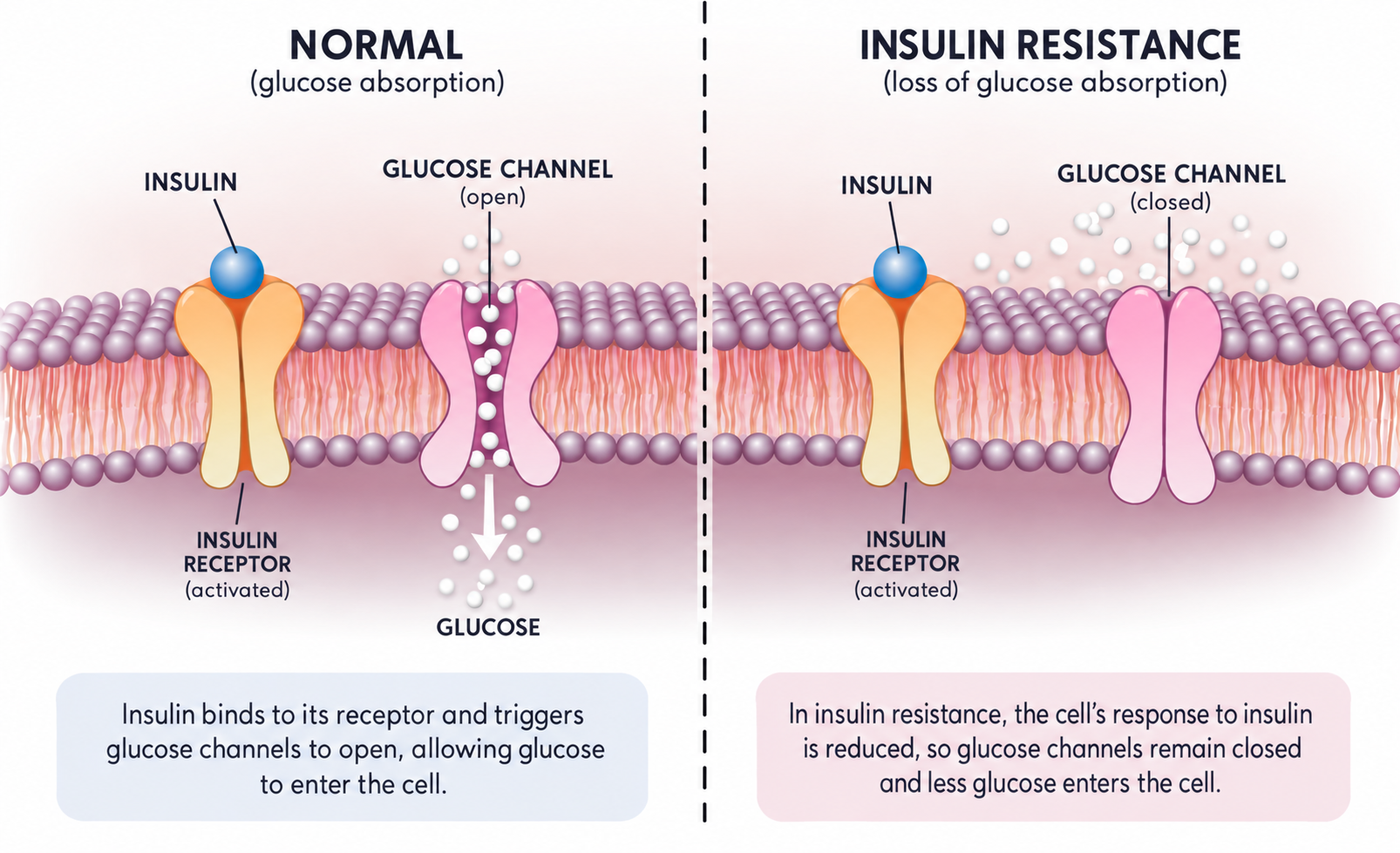
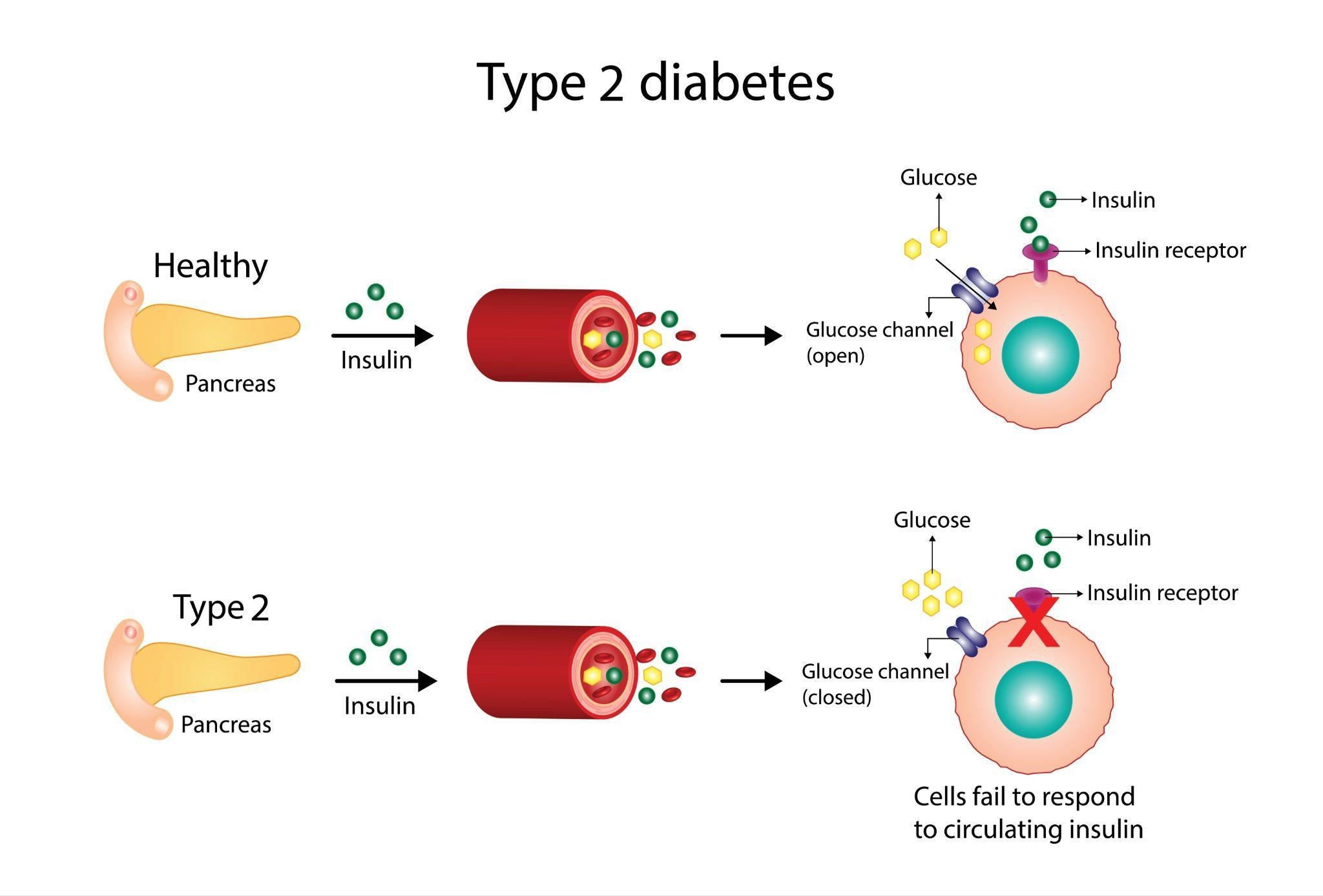
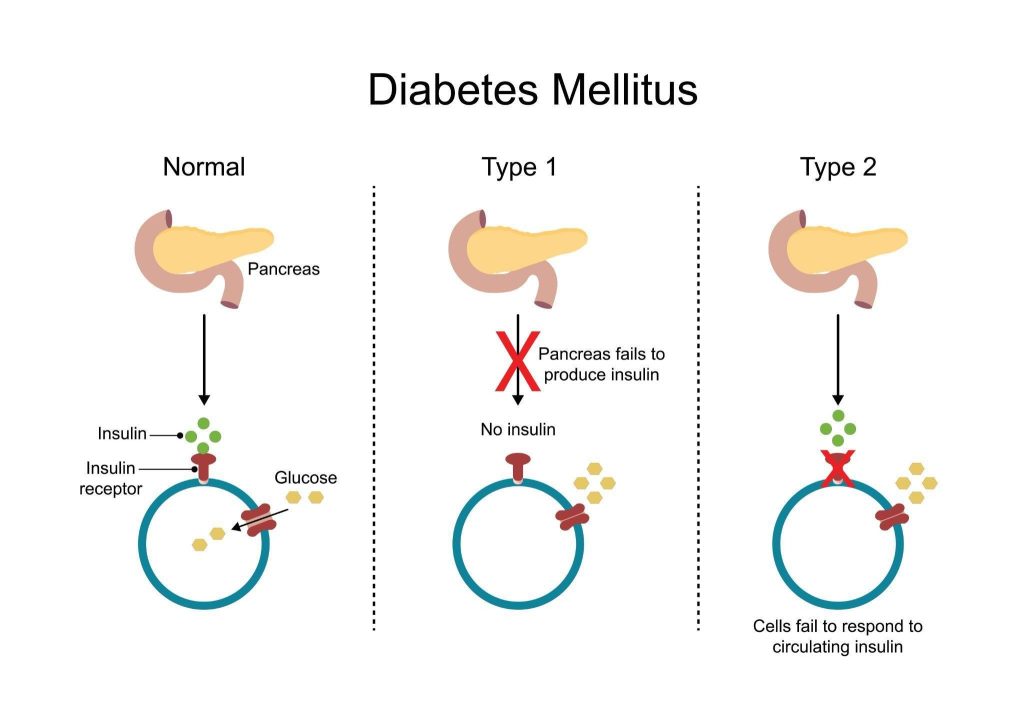
Diabetes is a long-term condition in which the level of glucose (sugar) in the blood remains higher than normal [1]. This happens because the body due to a reduced production of insulin +/- an inability to use insulin appropriately. Insulin is the hormone that helps move glucose from the bloodstream into the cells, where it is used for energy. When this process does not work effectively, glucose builds up in the blood instead of being used by the body.

There are two main types of diabetes:

Over time, consistently raised blood sugar begins to affect how the body functions. Excess glucose in the bloodstream damages the lining of blood vessels, which makes them narrower and less flexible [2]. This affects circulation and reduces the delivery of oxygen and nutrients to vital organs.

The impact is not limited to one part of the body. Large blood vessels that supply the heart and brain can become affected, increasing the risk of heart disease and stroke [3]. At the same time, smaller vessels that support the eyes, kidneys and nerves can also be damaged, leading to complications such as vision problems, kidney disease and nerve damage [4].

These changes develop gradually and may not cause noticeable symptoms in the early stages. This is why diabetes is often described as a condition that works silently over time. 

Diabetes mellitus includes Type 1, where the body does not produce insulin, and Type 2, where the body does not respond effectively to insulin, leading to raised blood sugar levels.

Why does diabetes increase risk of heart disease?

Diabetes affects the heart gradually, often without obvious symptoms in the early stages. The increased risk comes from a combination of changes happening within the blood vessels and the body as a whole.

Because of these overlapping effects, people with diabetes are more likely to develop:

These conditions can also appear earlier and progress more quickly, which is why managing diabetes involves more than controlling blood sugar. 

How does high blood sugar damage the vessels?

High blood sugar does not just stay in the bloodstream; it begins to affect the structure and function of the blood vessels and the heart over time. These changes develop gradually, but they play a central role in increasing cardiovascular risk.

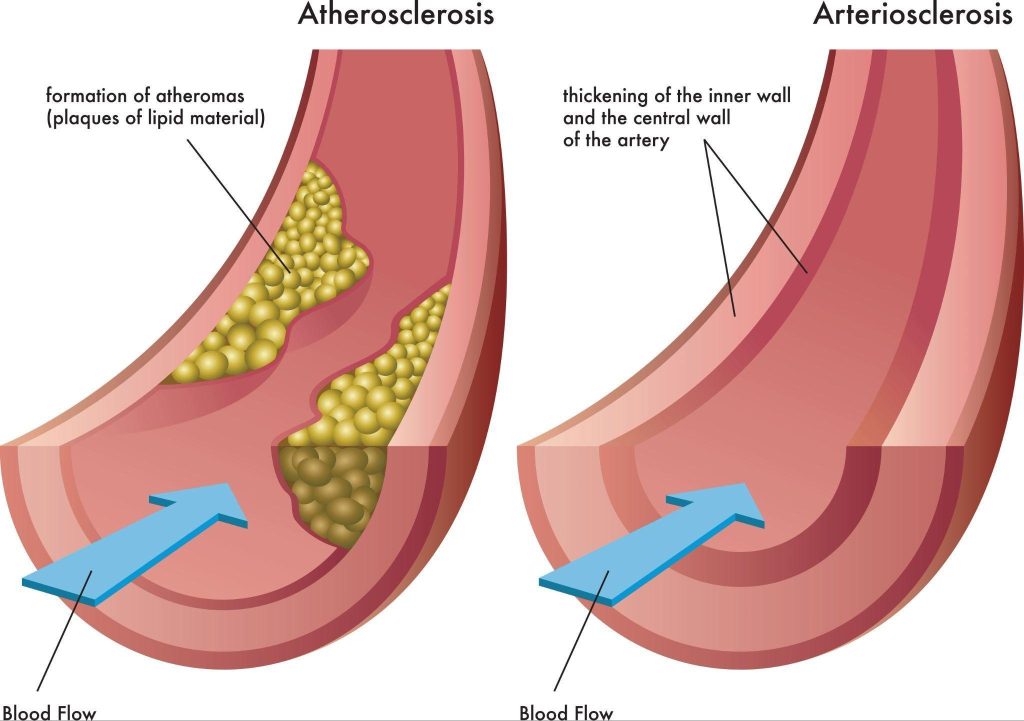
Persistently high blood sugar contributes to atherosclerosis, where fatty plaques build up in the arteries, narrowing them and restricting blood flow.
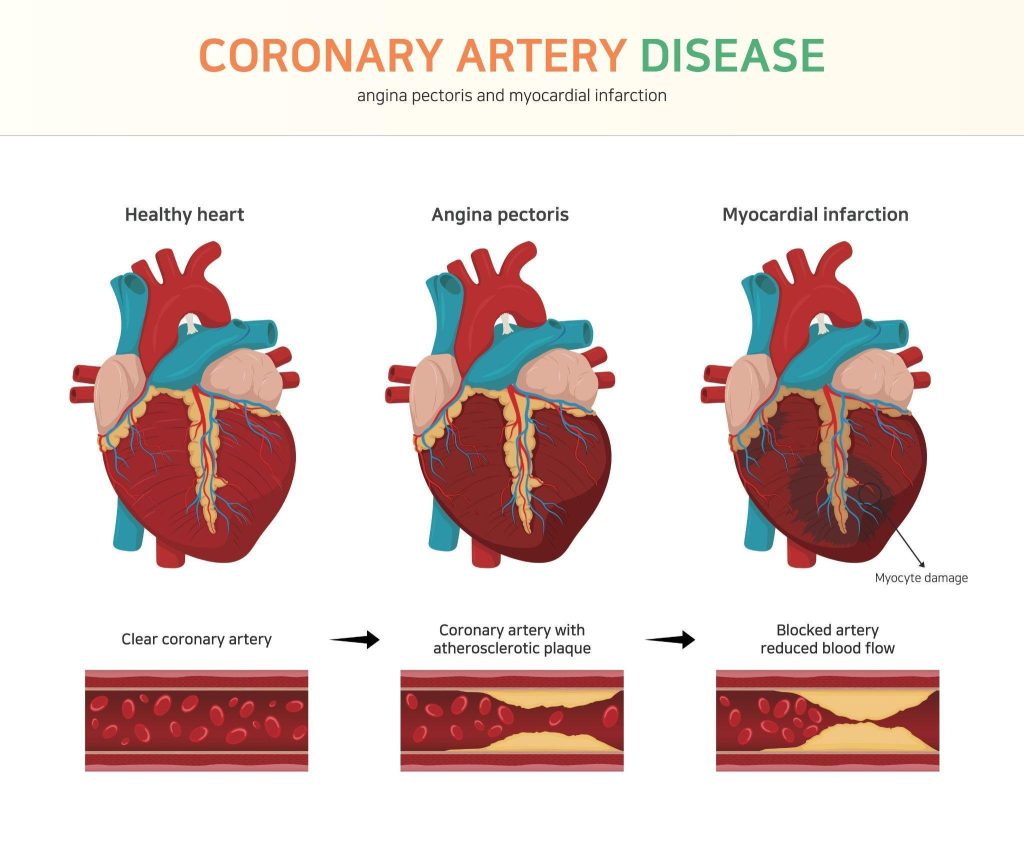
High blood sugar promotes plaque build-up in the coronary arteries, gradually narrowing them (causing angina) and potentially leading to complete blockage and heart attack.

Early warning signs to look out for 

Heart problems do not always present clearly in people with diabetes. Some symptoms are typical, while others can be subtle or easily overlooked.

Typical symptoms 

Silent or less obvious symptoms

Diabetes can affect nerve function, which may reduce the sensation of pain. This means some people may not experience the classic warning signs of heart problems. Instead, they may notice:

When to seek medical attention

Any new, persistent or worsening symptoms should not be ignored. Urgent medical care is needed if there is chest discomfort, sudden breathlessness, or symptoms that come on quickly. Regular check-ups are also important, even in the absence of symptoms, as some heart conditions in diabetes can develop quietly over time.

The silent heart disease 

Diabetes can lead to what is known as silent heart disease, where reduced blood flow to the heart occurs without the typical warning signs. This condition, often referred to as silent ischaemia, means that the heart may not be receiving enough oxygen, yet symptoms such as chest pain may be absent or very mild [16]. As a result, serious heart problems can develop without being recognised early.

A major reason for this is diabetic neuropathy, a form of nerve damage caused by prolonged high blood sugar [17]. When the nerves responsible for transmitting pain signals are affected, the body’s ability to detect discomfort is reduced. This can make symptoms less noticeable or entirely absent, even during significant cardiac events. Because of this, regular screening and routine medical assessments are essential for detecting heart issues early, as relying on symptoms alone may not provide a clear or timely indication of a problem.

Who is at higher risk of heart disease if they have diabetes?

The risk of heart disease in diabetes does not develop in the same way for everyone. Certain factors can increase how strongly diabetes affects the heart, especially when they are present over a long period or occur together.

Protecting your heart and managing diabetes

Managing diabetes effectively involves more than controlling blood sugar alone. A combination of daily habits and regular monitoring plays a key role in reducing strain on the heart and maintaining overall cardiovascular health.

Can heart damage from diabetes be reversed or managed?

Some of the effects of diabetes on the heart and blood vessels can improve with good control, especially when changes are made early. Better blood sugar management, along with control of blood pressure and cholesterol, can help stabilise existing damage and reduce further progression. In certain cases, improved lifestyle habits and appropriate treatment can enhance circulation and support heart function.

However, not all damage can be fully reversed. Advanced plaque build-up in the arteries or long-standing changes in the heart muscle can also be improved with medical guidance through optimisation of medication. The long-term outlook can still be positive when diabetes is well-managed. With consistent care, regular monitoring and appropriate medical support, many people are able to reduce complications, maintain quality of life and protect their heart health over time.

When should you see a doctor?

Knowing when to seek medical advice is an important part of managing both diabetes and heart health. Some symptoms require immediate attention, while others may develop gradually and still need timely evaluation.

Final thoughts

Diabetes affects more than blood sugar. Over time, it places real strain on the heart and blood vessels, often without obvious warning signs, which is why consistent management matters as much as it does.

The good news is that many of these risks are modifiable and recently there have been advances in medicine and  knowledge to prevent or improve cardiovascular risk. Keeping blood sugar stable, managing blood pressure and cholesterol, staying active and maintaining regular follow-up with your doctor can all make a meaningful difference to your long-term heart health.

If you are living with diabetes or have concerns about your cardiovascular health, schedule a consultation with The Metabolic Clinic for a personalised assessment, medication optimisation and guidance on managing your risk effectively.

References 

  1. Diabetes. Retrieved April 17, 2026, from https://www.who.int/news-room/fact-sheets/detail/diabetes 
  2. Yachmaneni, A., Jajoo, S., Mahakalkar, C., Kshirsagar, S., & Dhole, S. (n.d.). A comprehensive review of the vascular consequences of diabetes in the lower extremities: Current approaches to management and evaluation of clinical outcomes. Cureus, 15(10), e47525. https://doi.org/10.7759/cureus.47525 
  3. Diabetes, heart disease, & stroke—Niddk. National Institute of Diabetes and Digestive and Kidney Diseases. Retrieved April 17, 2026, from https://www.niddk.nih.gov/health-information/diabetes/overview/preventing-problems/heart-disease-stroke  
  4. Kulkarni, A., Thool, A. R., & Daigavane, S. Understanding the clinical relationship between diabetic retinopathy, nephropathy, and neuropathy: A comprehensive review. Cureus, 16(3), e56674. https://doi.org/10.7759/cureus.56674 
  5. Liu, R., Li, L., Shao, C., Cai, H., & Wang, Z. (2022). The impact of diabetes on vascular disease: Progress from the perspective of epidemics and treatments. Journal of Diabetes Research, 2022, 1531289. https://doi.org/10.1155/2022/1531289 
  6. Zhao, L., Hu, H., Zhang, L., Liu, Z., Huang, Y., Liu, Q., Jin, L., Zhu, M., & Zhang, L. (2024). Inflammation in diabetes complications: Molecular mechanisms and therapeutic interventions. MedComm, 5(4), e516. https://doi.org/10.1002/mco2.516 
  7. Asmat, U., Abad, K., & Ismail, K. (2016). Diabetes mellitus and oxidative stress—A concise review. Saudi Pharmaceutical Journal : SPJ, 24(5), 547–553. https://doi.org/10.1016/j.jsps.2015.03.013 
  8. Petrie, J. R., Guzik, T. J., & Touyz, R. M. (2018). Diabetes, hypertension, and cardiovascular disease: Clinical insights and vascular mechanisms. The Canadian Journal of Cardiology, 34(5), 575–584. https://doi.org/10.1016/j.cjca.2017.12.005 
  9. Poznyak, A., Grechko, A. V., Poggio, P., Myasoedova, V. A., Alfieri, V., & Orekhov, A. N. (2020). The diabetes mellitus–atherosclerosis connection: The role of lipid and glucose metabolism and chronic inflammation. International Journal of Molecular Sciences, 21(5), 1835. https://doi.org/10.3390/ijms21051835 
  10. CDC. (2024, November 8). Diabetes and your heart. Diabetes. https://www.cdc.gov/diabetes/diabetes-complications/diabetes-and-your-heart.html 
  11. Oktay, A. A., Paul, T. K., Koch, C. A., & Lavie, C. J. (2000). Diabetes, cardiomyopathy, and heart failure. In K. R. Feingold, R. A. Adler, S. F. Ahmed, B. Anawalt, M. R. Blackman, G. Chrousos, E. Corpas, W. W. de Herder, K. Dhatariya, K. Dungan, E. Hamilton, J. Hofland, S. Jan de Beur, S. Kalra, G. Kaltsas, N. Kapoor, M. Kim, C. Koch, P. Kopp, … D. P. Wilson (Eds.), Endotext. MDText.com, Inc. http://www.ncbi.nlm.nih.gov/books/NBK560257/ 
  12.  Aronson, D., & Edelman, E. R. (2014). Coronary artery disease and diabetes mellitus. Cardiology Clinics, 32(3), 439–455. https://doi.org/10.1016/j.ccl.2014.04.001 
  13.  Cui, J., Liu, Y., Li, Y., Xu, F., & Liu, Y. (2021). Type 2 diabetes and myocardial infarction: Recent clinical evidence and perspective. Frontiers in Cardiovascular Medicine, 8, 644189. https://doi.org/10.3389/fcvm.2021.644189 
  14. Rosano, G. M., Vitale, C., & Seferovic, P. (2017). Heart failure in patients with diabetes mellitus. Cardiac Failure Review, 3(1), 52–55. https://doi.org/10.15420/cfr.2016:20:2 
  15. Boudina, S., & Abel, E. D. (2010). Diabetic cardiomyopathy, causes and effects. Reviews in Endocrine & Metabolic Disorders, 11(1), 31–39. https://doi.org/10.1007/s11154-010-9131-7  
  16. Abdul Manan, H., Chishti, H. R., & Hewlett, F. D. (n.d.). Prevalence and predictors of silent myocardial ischemia in diabetic patients. Cureus, 17(4), e82407. https://doi.org/10.7759/cureus.82407 
  17. Yang, Y., Zhao, B., Wang, Y., Lan, H., Liu, X., Hu, Y., & Cao, P. (2025). Diabetic neuropathy: Cutting-edge research and future directions. Signal Transduction and Targeted Therapy, 10, 132. https://doi.org/10.1038/s41392-025-02175-1 

CNA938 Rewind - The Wellness Hour - The Weight of the Mind: The Twin Health Challenge of Obesity and Mental Health 

联合早报活的好:老年男性也应防骨疏松 LHZB: Osteoporosis prevention in older men

联合早报活的好:当心骨质疏松过度饮酒吸烟 LHZB: Excessive drinking & smoking, risk factor of Osteoporosis